Can You Use Parking Sensors on Driving Test
Yes, parking sensors are usually allowed on a driving test as a driver aid. They can help, but you still need to show safe observation and control without depending on them.
Yes—parking sensors are usually allowed on a driving test as a driver aid, not a substitute for observation. What matters most is that you control the car yourself, check mirrors and blind spots, and do not depend on the sensors to make the parking decision for you.
- Allowed in most cases: Parking sensors are usually fine if you still drive the maneuver yourself.
- Observation still counts: Mirrors, blind spots, and low-speed control matter more than the beeps.
- Know the system: Learn the alert tones, display, and limits before test day.
- Clean and check it: Dirt, weather, or faults can reduce sensor accuracy.
Can You Use Parking Sensors on Driving Test? The Short Answer for 2026
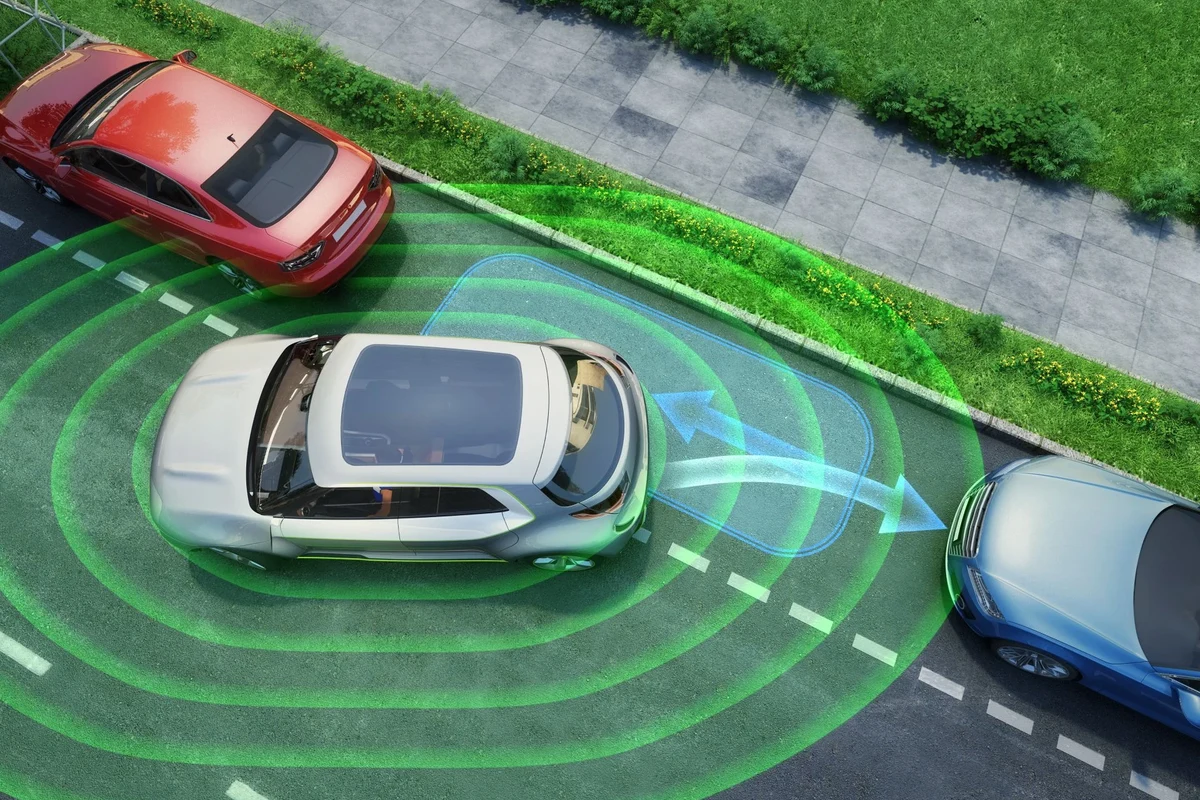
In most licensing systems, parking sensors are treated like other helpful car features: acceptable to have, but not something the examiner is “testing” for. The key is whether you use them sensibly while still demonstrating safe, independent driving.
What examiners generally allow and what they do not
Examiners typically allow factory or aftermarket parking sensors if the vehicle is road-legal and the system is working normally. They do not want a learner to creep into a space while ignoring mirrors, failing to check surroundings, or using the beeps as the only source of information.
If the car has a reversing camera, parking sensors, or a parking display, those features are usually fine as long as they do not replace required observation. If the system is distracting, broken, or making you rely on it to the point that you cannot park confidently without it, that can work against you.
Why this matters for learners in modern cars
Modern vehicles often include multiple driver-assistance tools, and many learners practice in cars that are more advanced than older test vehicles. That can be helpful, but it also means you need to understand which features are support tools and which skills still need to be shown manually.
The safest approach is to treat parking sensors as a backup, not a shortcut. That mindset helps you stay calm under test pressure and reduces the chance of small parking errors turning into avoidable faults.
How Parking Sensors Work During a Driving Test
Parking sensors are designed to help you judge distance at low speed. They do that by detecting nearby objects and warning you before contact happens, but they are not perfect and they do not “see” the way a human driver should.
Ultrasonic detection, audible alerts, and dashboard indicators
Most parking sensors use ultrasonic waves to estimate how close the car is to an object. When the car gets nearer, the system may beep faster, change tone, or show a distance bar or graphic on the dashboard.
Different vehicles present the information differently. Some use only sound, some use sound plus a screen, and some combine sensors with a rear camera or parking assistant features.
What the examiner sees versus what the driver hears
The examiner usually sees your overall driving behavior, not the sensor data itself. They are watching whether you position the car safely, move slowly, react appropriately, and keep checking your surroundings.
That means a sensor can help you avoid touching a curb or bumper, but it will not excuse poor observation. If you stop only because the beeping started, without checking what is actually behind or beside the car, you may still lose marks.
How sensor assistance differs from full parking automation
Parking sensors simply warn you. They do not steer, brake, or take control unless the vehicle has a separate automated parking feature, which is a different system and may have different rules or limitations during a test.
For a driving test, the important distinction is that you remain the driver in charge. Assistance features can support your judgment, but they should never replace it.
Parking sensors can miss some low, narrow, or unusual obstacles, which is why mirrors and careful head checks still matter.
Rules, Test Standards, and Examiner Expectations
Test rules are not identical everywhere, so the safest answer is always to check your local licensing authority and the official driver handbook. Even when sensors are allowed, the examiner still expects the same basic parking skill: safe speed, good observation, and controlled positioning.
When parking sensors are acceptable as driver assistance
Parking sensors are acceptable when they function as an aid to help you judge distance. That includes situations where you use them while still checking mirrors, looking around, and making small corrections based on the space and traffic conditions.
They are especially reasonable in a test vehicle that comes equipped with them from the factory. In that case, the feature is part of the car, and the examiner generally expects you to use the car’s controls and aids responsibly.
When relying on them can become a fault or mark against you
Relying too heavily on sensors can become a problem if you stop observing the environment or make a parking move that would be unsafe without the beeps. If you keep edging forward because the sensor has not warned you yet, you can still hit a curb, a cone, or another obstacle.
Another issue is hesitation. If you keep waiting for the sensor instead of judging space yourself, the examiner may see that as weak control or poor confidence. Sensors should support your decision, not create it.
How local test rules may vary by country or licensing authority
Different countries and regions may have different expectations for reversing, bay parking, parallel parking, and the use of driver-assistance systems. Some authorities are more explicit about camera and sensor use, while others leave the judgment to the examiner and the general road test standards.
Before test day, check the official guidance for your licensing authority, your driving school handbook, and the rules for the exact test category you are taking. That is the only reliable way to know whether a feature is fully allowed, allowed with limits, or simply not relevant to the score.
Test expectations can vary by region, vehicle type, and even the specific maneuver being assessed. Always confirm the current official guidance before relying on any in-car feature.
Who Benefits Most from Parking Sensors in a Test Setting
Parking sensors are not equally useful for every learner. They tend to help most when a driver is still building spatial awareness, is under stress, or is working with a vehicle that feels larger than expected.
New drivers, nervous test takers, and learners in larger vehicles
New drivers often struggle most with distance judgment at slow speed. Sensors can reduce anxiety by giving a warning before the car gets too close, which may help the learner stay calmer and make smoother corrections.
They can also be useful in larger hatchbacks, SUVs, vans, or unfamiliar cars where the rear corners are harder to judge. In those cases, the beeps can act as a helpful reference point while the driver builds experience.
Drivers using rental cars, instructor cars, or family vehicles
If you are taking the test in a car you do not drive every day, sensors can help bridge the familiarity gap. Rental cars and family vehicles often have different sightlines, screen layouts, and warning tones, so the extra feedback may reduce surprises.
Still, you should learn the system before the test. Know whether it warns only at the rear, whether it has front coverage, and how it sounds when an object is close.
Who should not depend on sensors as a primary parking method
Drivers who are already comfortable parking without assistance should not let sensors become a crutch. Good test performance depends on calm control and consistent observation, not on waiting for electronics to tell you what to do.
Anyone who has trouble understanding the car’s alerts, or whose sensor system is unreliable, should focus more on mirrors, reference points, and low-speed control. If the system is confusing, it may add stress instead of reducing it.
- Practice the exact parking maneuver in the same car before test day.
- Learn the sensor tones, warning lights, and any screen graphics in advance.
- Use sensors as a backup while still checking mirrors and blind spots.
Key Features and Decision Criteria to Check Before Test Day
If your test car has parking sensors, the main question is not whether they exist, but whether they are clear, reliable, and easy to understand. A confusing system can be worse than no system at all.
Sensor coverage, detection range, and alert clarity
Some systems cover only the rear bumper, while others include front sensors too. For a test, rear coverage is often the most relevant, but front coverage can help in tight bays or when pulling forward into a space.
Alert clarity matters just as much as coverage. If the sound is too faint, the screen is hard to read, or the warning changes too abruptly, you may not be able to use the system effectively under pressure.
Front versus rear sensors, display type, and audible volume
Rear sensors are usually the most important for reversing maneuvers. Front sensors can help when edging into a tight parking space, but they are not a substitute for looking ahead and judging clearances yourself.
Displays vary widely by vehicle. Some cars show a simple bar, while others provide distance graphics or color-coded zones. The best setup is the one you can interpret instantly without taking your attention away from the road for too long.
Reliability in rain, darkness, tight spaces, and dirty conditions
Parking sensors can be affected by grime, heavy rain, snow, or road spray. In dirty conditions, they may become less accurate or less responsive, which is why pre-test cleaning is so important.
Tight spaces with posts, low curbs, or angled obstacles can also challenge the system. Dark conditions are usually less of a problem for ultrasonic sensors than for cameras, but poor weather and contamination can still affect performance.
Compatibility with the vehicle and any aftermarket installation concerns
Factory systems are usually the simplest because they are built into the vehicle and designed to work with it. Aftermarket sensors can also be useful, but their quality, placement, and alert behavior vary more widely by installation.
If your car has an aftermarket system, confirm that it is working correctly before test day and that it does not trigger false alarms or fail to detect close objects. For any system, the owner’s manual is the best place to confirm how it is supposed to behave.
- Check compatibility, model number, app requirements, dimensions, ports, wattage, and intended use
- Confirm safety guidance, warranty, return policy, privacy settings, and update support
Real-World Benefits and Practical Limitations
Parking sensors can make parking less stressful, but they are only one part of a safe maneuver. The best test results usually come from combining the sensors with steady observation and slow, deliberate control.
How sensors can improve confidence and reduce minor bumps
For many learners, the biggest benefit is confidence. Hearing a warning before getting too close can prevent small scrapes, help with spacing, and make it easier to correct a parking line before the car ends up crooked.
That confidence can be especially helpful on test day when nerves are high. A calmer driver is more likely to move smoothly, avoid panic corrections, and complete the maneuver with fewer mistakes.
Common limitations: blind spots, curbs, posts, and unusual obstacles
Sensors do not detect everything equally well. Low curbs, thin posts, tow bars, hanging objects, or oddly shaped obstacles may be harder for the system to interpret than a flat wall or another car.
They also do not eliminate blind spots. A sensor might warn you late, not warn you at all, or warn you about something that is not actually in the path of the car. That is why visual checks remain essential.
Why mirrors, observation, and low-speed control still matter most
Examiners are looking for a driver who understands the space around the vehicle. Mirrors, shoulder checks where appropriate, and careful speed control show that you are in command of the car rather than reacting blindly to beeps.
If you can park smoothly without rushing, you are more likely to pass even if the sensor system is basic or imperfect. The test is about safe driving habits, not about how much technology is in the car.
If a sensor is damaged, blocked, or behaving erratically, follow the vehicle manufacturer’s guidance before test day. Do not assume a warning system is accurate if it is dirty, cracked, or showing fault indicators.
Common Mistakes Learners Make When Using Parking Sensors
Many parking mistakes happen because the learner trusts the technology too much or does not understand its limits. Knowing the common errors ahead of time can make the system more useful.
Over-relying on beeps instead of checking surroundings
The biggest mistake is treating the beeps as permission to stop thinking. Sensors are there to supplement your awareness, not replace looking around for pedestrians, kerbs, bollards, or other vehicles.
If you only listen and do not observe, you can miss a hazard that the sensor was never designed to catch. That can turn a helpful feature into a liability during the test.
Misjudging sensor lag, false alerts, or silence in dirty weather
Some systems warn a little later than learners expect, and some can produce false alerts in cluttered environments. Others become less dependable when the bumper is dirty or when weather interferes with the sensor surface.
That is why you should never move purely by sound. If the alert seems late, inconsistent, or unusually quiet, slow down and rely more on mirrors and direct visual checks.
Poor setup, ignored warning lights, and incorrect vehicle positioning
A sensor system that is switched off, faulting, or partially covered will not help much on test day. Some vehicles also have settings that affect volume or alert behavior, so it is worth confirming the system is active and understandable before you start.
Incorrect car positioning can also confuse the maneuver. If you begin too close, too far, or at the wrong angle, even a good sensor system will not compensate for the mistake.
Safe Use, Maintenance, and Final Recommendation
Parking sensors are most useful when they are clean, understood, and treated as a backup. A little preparation before the test can make the system more dependable and less distracting.
Pre-test checks: cleaning sensors, confirming alerts, and verifying function
Before test day, clean the sensor areas gently and check that the alert sound or display works normally. If the vehicle has a menu setting for parking aids, confirm that nothing has been turned off accidentally.
If you are using a borrowed or instructor vehicle, ask how the system behaves at low speed and whether any alerts are disabled in certain conditions. Knowing that in advance can prevent confusion during the exam.
Care and storage tips for cars with factory or aftermarket systems
For factory systems, routine car care is usually enough: keep the bumper clean, avoid covering the sensors with accessories, and address warning lights promptly. For aftermarket systems, installation quality matters, so any odd behavior should be checked by a qualified professional or the installer’s guidance.
If the car is stored outdoors, dirt, ice, and road salt can affect sensor performance. Regular cleaning is especially important in harsh weather or after long periods of parking outside.
Value assessment: when sensors help and when manual parking is better
Sensors are most valuable when they reduce stress, help with tight spaces, and give you a useful extra layer of feedback. They are less valuable if they distract you, confuse you, or encourage you to stop using the core driving skills the examiner wants to see.
Manual parking is better whenever you need to prove control, adapt to a tricky space, or work around a sensor system that is unreliable. The strongest drivers can do both: park by skill first and use the sensor as support.
Bottom-line recommendation for passing a driving test confidently
Yes, you can usually use parking sensors on a driving test, but only as an aid. If you combine them with good observation, slow speed, and clear understanding of the car’s limits, they can make the test easier without replacing the skill you need to pass.
- Parking sensors are generally allowed, but they do not replace mirrors, blind-spot checks, or control.
- Learn the system before test day so you know how it warns and where it can fail.
- Clean, reliable sensors can help confidence, but poor weather, dirt, and odd obstacles can reduce accuracy.
- Manual parking skill still matters most because the examiner is judging safe driving, not gadget use.
Frequently Asked Questions
In most cases, yes. They are usually allowed as a driver aid, but you still need to show safe observation, control, and judgment.
Using them is usually fine, but relying on them too much can lead to faults. If you stop checking mirrors or ignore your surroundings, that can count against you.
No. Sensors and cameras are both aids, but neither replaces the need to look around and control the car properly.
Yes. Learn the tones, warning lights, and how the system behaves in the exact car you will use.
Clean them and confirm they work before the test. If they are faulty, follow the manufacturer’s guidance and do not assume the alerts are accurate.
No. Rules and examiner expectations can vary by country and licensing authority, so check the official handbook for your location.