Bulist Smart Lock App
The Bulist smart lock app is worth considering if you want keyless entry and access sharing, but only after you confirm exact model compatibility. It is best for users who are comfortable relying on a phone-based system and keeping batteries, firmware, and backup access in good shape.
The Bulist smart lock app is the companion app that lets you manage a compatible Bulist smart lock from your phone. It is generally most useful for people who want keyless entry, temporary access sharing, and easier day-to-day control without carrying a physical key.
- Compatibility first: Verify the exact lock model, phone OS, and connection method before buying.
- Best for shared access: Families, renters, and hosts benefit most from app-based permissions.
- Plan for backups: Keep physical or alternate access available in case batteries or connectivity fail.
- Security matters: Use the official app, strong passwords, and firmware updates only from the manufacturer.
Bulist Smart Lock App: What It Does and Whether It’s Worth Using
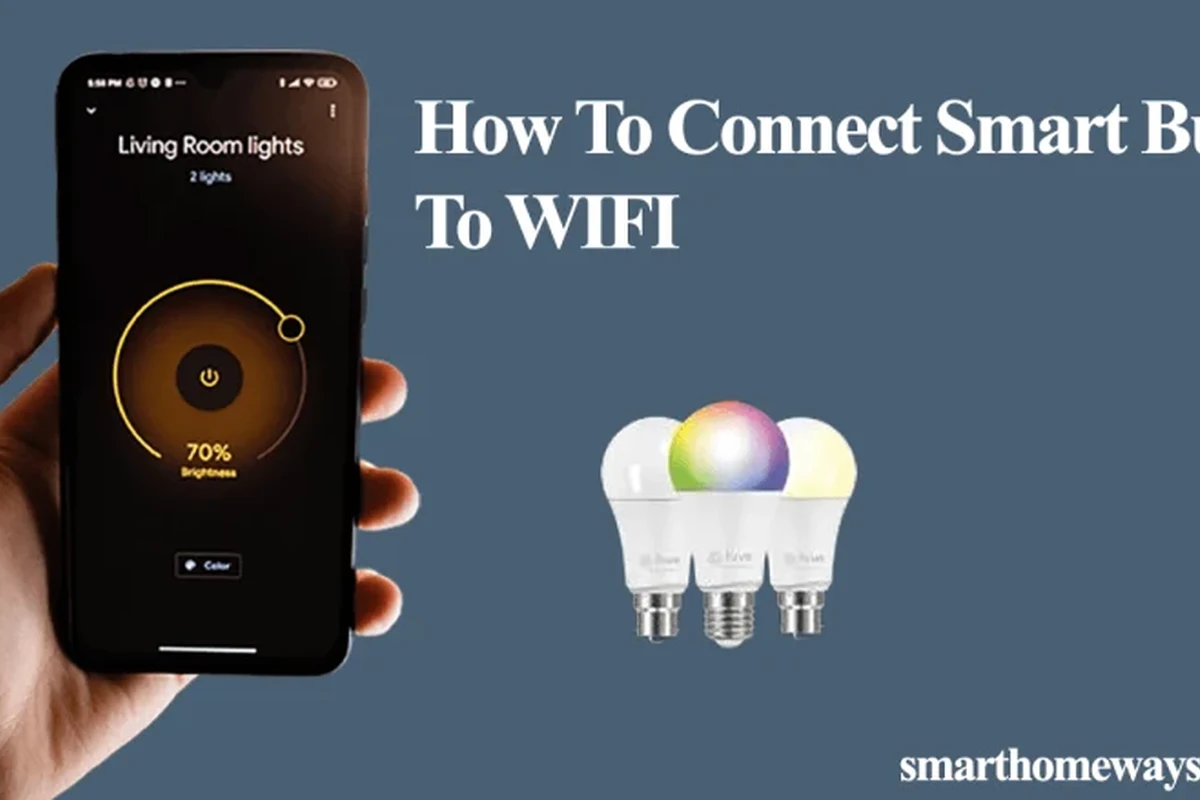
In practical terms, the app is the control center for lock pairing, user access, and status checks. Whether it is “worth it” depends less on the app name itself and more on whether your exact Bulist lock model, phone OS, and home setup are supported in the version currently sold in 2026.
If you are comparing smart-home options, it also helps to think about the bigger ecosystem around the lock. For example, if you are building a broader lighting or automation setup, you may want to review guides like smart light switches, smart lights for home automation, or smart lights that work with Google Home to see how your lock fits into the rest of the home.
- The app is mainly for access control, lock status, and setup.
- Compatibility matters more than brand familiarity.
- It is best for users who want keyless convenience and shared access.
How the Bulist Smart Lock App Works with Your Smart Lock
The app typically connects to the lock through Bluetooth, Wi‑Fi, or a hub-based setup, depending on the model. That connection determines whether you can unlock locally, manage settings nearby, or view activity and control the lock remotely.
Connection methods, app requirements, and setup basics
Most smart lock apps require you to install the official app, create an account, and pair the lock during initial setup. Some models may support only Bluetooth for nearby control, while others add Wi‑Fi or gateway support for remote access; always verify the exact connection method in the manual or product listing.
App names, supported operating systems, and pairing steps can differ by lock generation and firmware. Check the current app store listing and the manufacturer’s setup guide before you begin.
Before pairing, make sure your phone’s Bluetooth is enabled, your lock has fresh batteries, and the phone is close to the lock. If the lock uses Wi‑Fi or a bridge, your home network details may also be needed during setup.
Remote access, Bluetooth/Wi‑Fi behavior, and notification features
Bluetooth is usually more limited but can be reliable for local control when you are near the door. Wi‑Fi or gateway-enabled access is what usually makes remote locking, unlocking, and status checks possible when you are away from home.
Notification features may include lock/unlock alerts, low-battery warnings, and access logs, though the exact options depend on the app version and lock model. Treat those features as helpful convenience tools, not as a substitute for physical security habits like keeping backup access available.
Many smart locks depend on local wireless range for the first pairing step, which is why setup often works best when the phone is held close to the lock.
Who the Bulist Smart Lock App Is Best For in 2026
This type of app is a strong fit for people who value convenience, controlled sharing, and fewer physical keys. In 2026, it is especially appealing for homes that already rely on smartphones for everyday access and automation.
Ideal users: renters, homeowners, families, and short-term hosts
Renters often like smart lock apps because they may reduce the need to copy keys for roommates or guests, though installation rules still depend on the lease and the door hardware. Homeowners may appreciate the ability to grant access to family members, cleaners, or dog walkers without handing out permanent keys.
Families can benefit from unique user codes or app-based access, if the model supports them, because it makes it easier to track who entered and when. Short-term hosts may also find app-based access useful, especially if the lock supports temporary codes or scheduled permissions.
- Convenient for shared access
- Useful for keyless entry
- Helpful for temporary or time-limited access
- Depends on phone compatibility and app support
- May need batteries, Wi‑Fi, or a gateway
- Not ideal if you want a fully offline solution
When it may not be the best fit
The Bulist smart lock app may not be the best choice if you want a simple mechanical lock with no software dependency. It may also be a poor fit if your door hardware is unusual, your Wi‑Fi is unreliable, or you do not want to manage app permissions and firmware updates.
If you prefer a broader smart-home platform with more established ecosystem support, you may want to compare options before committing. Some shoppers prefer products that integrate cleanly with systems they already use, such as those covered in our guides to smart lights for Alexa or smart lights for Apple Home as a reference point for ecosystem fit.
Key Features and Decision Criteria to Check Before Buying
Because app behavior varies by model, the smartest approach is to verify the lock’s official compatibility list before purchase. The most important checks are not flashy features; they are support, security, and long-term reliability.
Compatibility, supported lock models, and phone OS requirements
Start with the exact Bulist lock model number, then confirm the app version it requires. Check whether the app supports your phone’s current operating system, because older phones or heavily customized Android builds can sometimes create pairing issues.
Security controls, user access management, and sharing options
Look for features such as unique user codes, temporary access, activity logs, and permission controls. These matter because the best smart lock app is not just easy to use; it should also let you manage access in a way that fits your household or rental workflow.
Review how the app handles guest access before you buy. Some models make it easy to issue temporary codes, while others are more limited and better suited to a single household user.
Also verify whether the app supports strong account security features such as a unique password and two-factor authentication, if available. For privacy and security, use the official app only, keep firmware current, and review permissions after installation.
App reliability, update support, and warranty details to verify
App reliability is often overlooked, but it matters as much as the lock hardware. Check recent app store reviews for signs of login issues, pairing failures, or delayed notifications, and confirm whether the manufacturer still publishes update notes or support articles.
Warranty terms can vary widely by seller, region, and bundle. Before buying, confirm what is covered, how long coverage lasts, and whether the warranty changes if you install the lock yourself or use certain accessories.
- Check compatibility, model number, app requirements, dimensions, and intended use
- Confirm security settings, warranty terms, return policy, privacy controls, and update support
Real-World Benefits and Practical Trade-Offs
The main benefit of a smart lock app is convenience, but the real value comes from how it changes everyday access. For the right household, it can reduce key sharing headaches and make entry management much simpler.
Convenience, keyless entry, and access control advantages
Keyless entry is the obvious benefit, especially when your hands are full or you frequently forget keys. App-based access can also be useful for households that need to grant entry to multiple people without duplicating physical keys.
For short-term hosts, the ability to change access without replacing hardware can be a major workflow improvement. For families, the app may also make it easier to see whether the door is locked and to manage access for kids, relatives, or service providers.
Limitations: connectivity, battery dependence, and app dependency
Smart lock apps depend on batteries, wireless communication, and software support, so they are not as simple as a mechanical deadbolt. If the batteries die, the network is down, or the app has an outage, your experience can be affected even if the lock itself is still mechanically intact.
Stop using damaged electronics, swollen batteries, frayed cables, overheating chargers, or unstable devices and follow the manufacturer’s guidance. For smart locks, replace batteries promptly and use the recommended battery type.
That does not make smart locks unreliable by default, but it does mean buyers should plan for backup entry. Keep a physical key, backup code, or alternate access method available whenever the model supports it.
Setup Guide: Installing and Pairing the Bulist Smart Lock App
Setup is usually straightforward when the lock, phone, and network are prepared in advance. The biggest causes of frustration are skipped compatibility checks, weak batteries, and trying to pair from too far away.
Preparing the lock, phone, and home network
Before pairing, confirm the door hardware matches the lock’s installation requirements and that the batteries are installed correctly. Then install the official app, enable Bluetooth, and make sure your phone is updated enough to support the current app version.
Verify that the door thickness, deadbolt style, and mounting points match the manufacturer’s instructions.
Install the official app, sign in, and turn on Bluetooth and any requested permissions.
Keep the phone close to the lock during setup, then follow the app prompts for calibration or user setup.
Common setup mistakes and how to avoid them
A common mistake is assuming any smart lock app will work on any phone. Another is trying to finish setup on weak batteries, which can lead to failed pairing or inconsistent behavior later.
It is also easy to overlook Wi‑Fi or router requirements if the lock needs remote access. If the app asks for network details or a bridge device, enter them carefully and confirm the lock appears online before relying on remote features.
- Use fresh batteries during initial setup.
- Keep the phone close to the lock while pairing.
- Confirm remote features only after local control works reliably.
- Save your backup access method before removing any old lock hardware.
Safe Use, Maintenance, and Long-Term Care
Like most smart-home devices, a smart lock performs best when it is kept clean, updated, and inspected regularly. A little maintenance goes a long way because door hardware sees daily use and changing weather.
Battery checks, firmware updates, and routine inspection
Check battery status routinely rather than waiting for a low-battery alert. If the app offers firmware updates, install them through the official app or manufacturer instructions, since update support can improve stability and security.
If the lock sticks, the app disconnects often, or the battery compartment looks damaged, stop relying on it until you follow the manufacturer’s troubleshooting steps.
Also inspect the deadbolt alignment and mounting screws from time to time, because shifting doors can affect how smoothly the lock operates. If the lock sounds strained or feels physically misaligned, address the door fit first rather than assuming it is an app problem.
Cleaning, storage, and protecting the lock from weather or wear
Use a soft, dry cloth for routine cleaning unless the manual says otherwise. Avoid harsh cleaners, excess moisture, or abrasive materials that could damage the finish, keypad, or sensor area.
If the lock is installed on an exterior door, confirm its weather resistance in the official specifications instead of assuming all smart locks handle rain and temperature swings equally. For seasonal storage, keep spare batteries in a cool, dry place and store any removed parts in the original packaging or a labeled container.
Bulist Smart Lock App Verdict: Should You Use It?
The Bulist smart lock app makes sense if you want straightforward smart-lock control, shared access, and keyless convenience, and your exact model is clearly compatible with your phone and door. It is less compelling if you want a fully offline lock, a broad smart-home ecosystem, or a product with verified support details that are easy to confirm before purchase.
Best-value use cases and final recommendation
For renters, families, and short-term hosts who need app-based access management, the app can be a practical choice if the hardware and software support are current. The best value comes when the lock’s features match your real routine, not when you buy extra functions you will never use.
Households that want simple keyless entry and access sharing, as long as the exact Bulist model, phone support, and warranty terms are verified first.
Alternatives to consider if you need different features
If your priority is deeper smart-home integration, you may want a lock that works more consistently with the platform you already use. If you mainly want a broader connected-home setup, it can also help to compare the rest of your ecosystem, such as smart lighting options in our guides to smart lights and HomeKit-compatible smart lights, so your devices work together more smoothly.
If you need the simplest possible solution, a traditional deadbolt may still be the better fit. If you want app control, just make sure the Bulist smart lock app’s current compatibility, update support, and access features are verified before you rely on it every day.
Frequently Asked Questions
It usually lets you pair, control, and manage a compatible Bulist smart lock from your phone. Depending on the model, it may also support access sharing, activity logs, and battery or status alerts.
Not always. Some models work over Bluetooth for nearby control, while others need Wi‑Fi or a gateway for remote access.
It can be a good fit if the lock is allowed under your lease and the door hardware is compatible. Renters often like app-based access because it reduces the need to hand out physical keys.
Check the exact model number, phone OS support, connection type, door fit, warranty terms, and current app support. Also confirm whether it needs a hub, bridge, or specific batteries.
Use the official app, a strong password, and two-factor authentication if available. Keep firmware updated and review shared access regularly.
First check battery level, Bluetooth or Wi‑Fi status, and whether the app needs an update. If the lock is physically damaged or behaving inconsistently, follow the manufacturer’s support steps before continuing to use it.