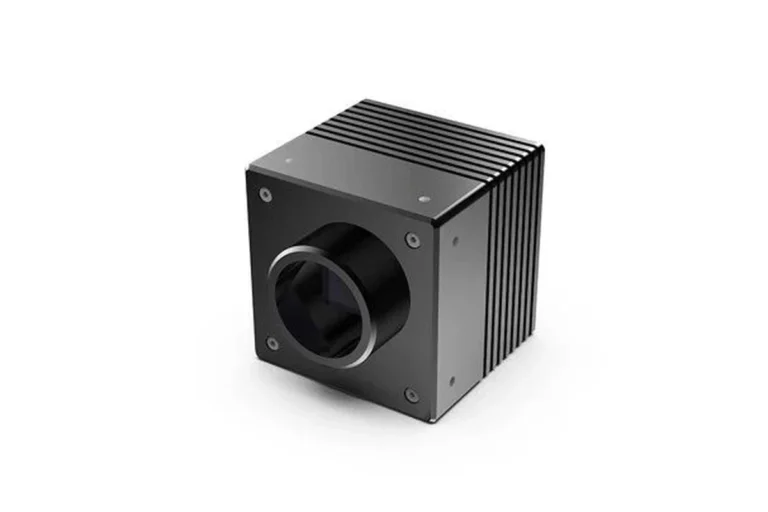
Chetco River Bar Camera Live Views and Weather Updates
The Chetco River bar camera is best for a fast visual check of surf, visibility, and current conditions before you travel or launch. Pair it with official forecasts, tide tables, and local alerts for safer decisions.
The Chetco River Bar camera is a practical live-view tool for checking surf, visibility, and general river-bar conditions before you head out. It is most useful when you treat it as a visual snapshot that works best alongside official marine forecasts, tide tables, and local alerts.
- Best use: Quick live look at bar, surf, and visibility conditions.
- Main limit: A camera cannot measure wind, swell period, or current strength.
- Safety rule: Always confirm with official marine forecasts and advisories.
- Best users: Boaters, anglers, surfers, commuters, and local residents.
Chetco River Bar Camera: What It Shows and Why It Matters for Live Conditions
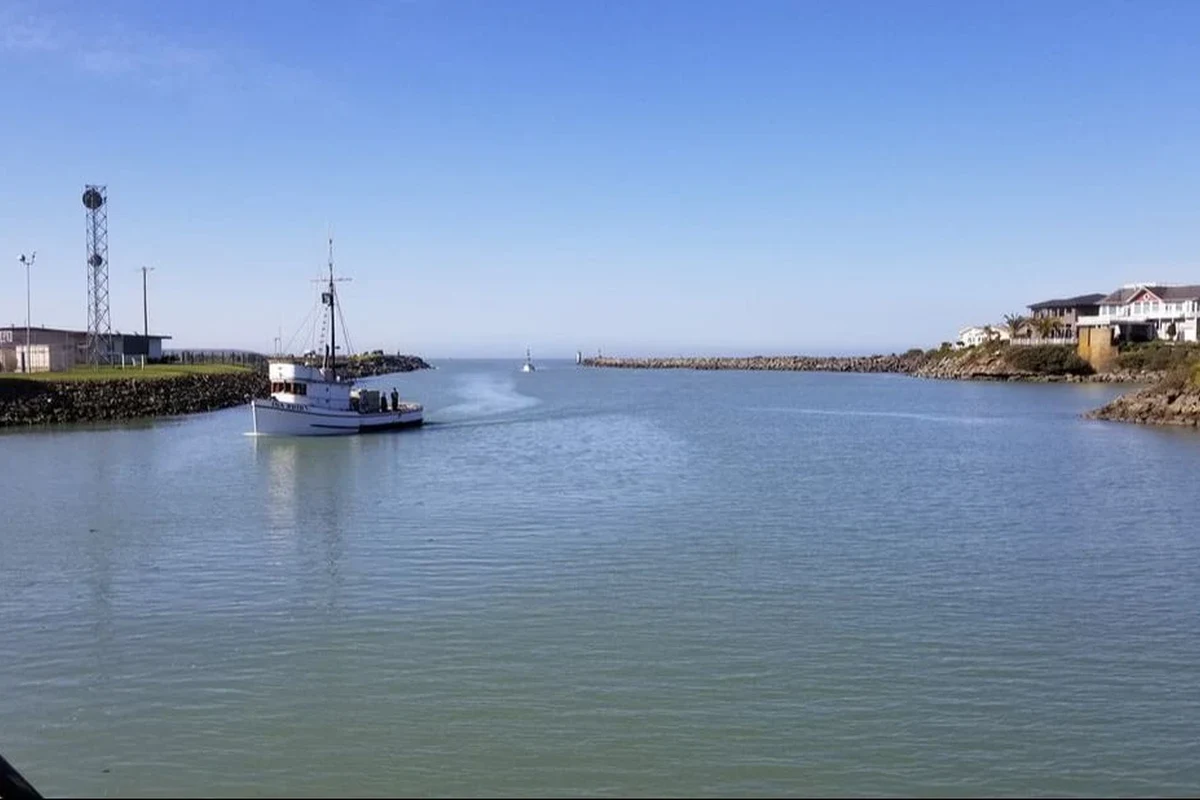
A live camera aimed at the Chetco River bar gives you something a forecast alone cannot: a real-time look at what the water, sky, and shoreline are doing right now. For boaters, anglers, surfers, and coastal residents, that quick visual check can help answer a simple but important question: does the scene match the plan, or should you wait?
How to use the live camera for quick river-bar and surf checks
The fastest way to use the Chetco River bar camera is to look for obvious signs of changing conditions. You can usually judge whether the bar looks smooth or chaotic, whether surf is spilling across the entrance, and whether visibility is good enough to make a trip worthwhile.
That makes it especially helpful before short decisions such as launching a small boat, timing a beach walk, or checking whether fog is hanging over the coast. If the image is clear and the water state looks calm, that does not guarantee safe passage, but it can help you decide whether to keep digging into the official data or hold off.
Use the camera first for a fast visual scan, then confirm with tide, swell, wind, and marine warnings before you commit to travel or launch plans.
What the camera can and cannot tell you about weather, tide, and visibility
A live camera can show cloud cover, rain bands, fog, surface chop, and how bright or dark the scene looks. It can also hint at wave size and direction, but it cannot reliably tell you wind speed, swell period, current strength, or whether conditions will improve in the next hour.
It is also easy to misread a single frame. A calm-looking image may hide strong currents, and a rough-looking image may be temporary or only affect one part of the bar. That is why the camera should be treated as evidence of what is visible, not a full weather report.
How the Chetco River Bar Camera Works in a Smart Home and Weather-Tracking Context
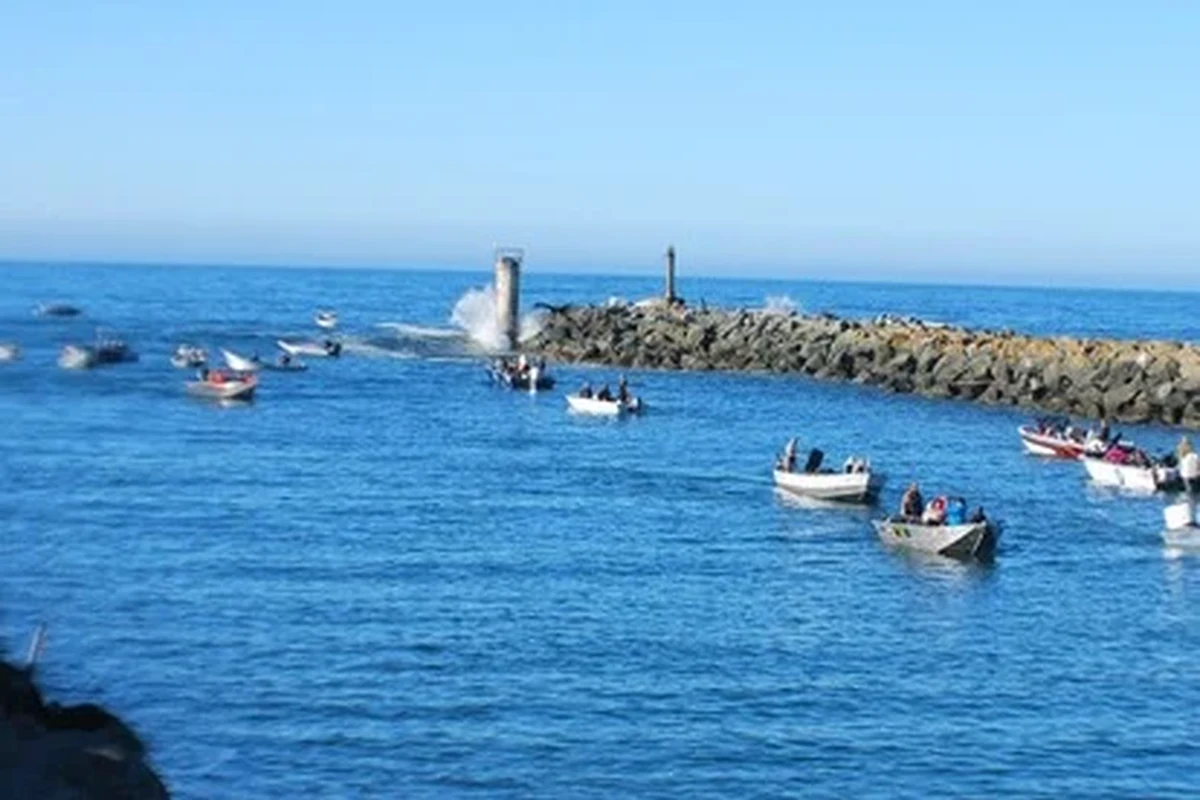
In a smart home or weather-tracking routine, the camera is best thought of as a live information source rather than a connected gadget you control. You are not automating a device in the usual sense; you are checking a stream that can support routines like morning planning, commute decisions, or pre-launch safety checks.
Live stream basics: refresh rate, image quality, and typical access methods
Most public live cameras are viewed through a browser or a hosted video page, and the experience depends on the site’s stream setup. Some feeds update continuously, while others refresh at intervals, so a still image may lag behind real conditions by a short time.
Image quality also varies by camera placement, weather, and network conditions. A high-contrast daytime view may be easy to read, while dusk, rain, glare, or sea spray can reduce detail. If a feed becomes blurry or delayed, that is not always a camera failure; it may also reflect the environment or bandwidth limits.
Connectivity, app/browser requirements, and what to verify before relying on it
Before you rely on any live camera, verify how it is accessed. Some feeds work best in modern browsers with video playback enabled, while others may have mobile-friendly pages or embedded players that behave differently on different phones and tablets.
Check whether the stream loads on your device, whether pop-up blockers or privacy settings interfere, and whether the feed is public or requires a specific app. If you plan to use it regularly, save the official page and confirm that the source is still active after browser updates or site redesigns.
Camera access, video quality, and playback behavior can vary by browser, mobile operating system, and website updates. Always verify the current official viewing method before depending on the feed.
Where the camera data fits alongside forecasts, tide tables, and local alerts
The strongest use case is combining the camera with other sources. Forecasts tell you what is likely to happen, tide tables show the timing of water levels, and local alerts tell you when conditions are dangerous or restricted. The camera gives you the real-world check that ties those pieces together.
That combination matters most around river bars, where conditions can change quickly and where water movement, swell, and tide can interact in ways that are hard to judge from a general forecast alone. If the camera image disagrees with the forecast, take the discrepancy seriously and investigate further.
River bars can become hazardous even when nearby shoreline weather seems manageable, because currents, swell direction, and tide can combine in a narrow channel.
Who the Chetco River Bar Camera Is Best For in 2026
This camera is best for people who need a fast visual answer, not a deep technical analysis. If you want to know whether conditions look worth a closer look, the live view can save time and reduce guesswork.
Boaters, anglers, surfers, coastal commuters, and local residents
Boaters may use the feed to judge whether the bar looks passable enough to continue planning. Anglers can use it to see whether wind, chop, or fog may affect a trip. Surfers may watch for wave shape and consistency, while commuters and local residents may simply want to know whether visibility has improved.
For anyone living near the coast, it can also be a convenient morning check. Instead of opening several apps right away, you can glance at the scene and decide which sources matter most for the rest of the day.
Users who need a fast visual check versus those who need detailed marine data
If you need a quick “what does it look like right now?” answer, the camera is a strong fit. If you need exact swell height, wind direction, bar crossing guidance, or navigation-level detail, you still need marine forecasts, charts, and local advisories.
That distinction is important. A camera is visual evidence, not a full decision engine. It works best when you already know how to interpret the surrounding weather and water data.
When a live camera is more useful than a weather app alone
A weather app can tell you the probability of rain or wind speed, but it may not show fog sitting low over the water, breaking surf on the bar, or a sudden shift in visibility. The live camera can reveal those immediate conditions in a way a forecast summary cannot.
That makes it especially useful for short-horizon decisions. If you are leaving in the next hour, the camera may be more relevant than a forecast that averages conditions over a larger area or longer time window.
Key Decision Criteria: Image Quality, Reliability, and Access Features
When evaluating a live river-bar camera, the most important factors are not flashy features. They are clarity, uptime, ease of access, and whether the feed stays trustworthy enough to support real decisions.
Resolution, field of view, low-light performance, and weather resistance
Higher resolution helps you spot details like breaking waves, shoreline movement, and visibility changes. A useful field of view matters just as much, because a camera that sees only a narrow slice of the river may miss conditions at the entrance or along the bar.
Low-light performance is also important if you check early in the morning or near dusk. Weather resistance matters for the hardware side of the setup, but as a viewer you should mainly look for whether the image stays readable during rain, fog, and glare.
Uptime, lag, and how often to verify the feed against secondary sources
A camera is only useful if it is available when you need it. Occasional downtime is normal for many web streams, but repeated outages, frozen frames, or long delays reduce confidence in the feed.
For that reason, it is smart to cross-check the camera against at least one secondary source when conditions matter. If the image is delayed or looks inconsistent with the forecast, trust the broader safety picture rather than the camera alone.
Stop relying on any feed that is repeatedly frozen, severely degraded, or clearly out of date for safety decisions. Confirm the current official source before using it for travel or launch planning.
Device and browser compatibility, mobile usability, and ease of viewing on the go
A good live camera should be easy to open on a phone without awkward zooming or constant reloading. If the site is hard to read on mobile, that reduces its value for travelers and people checking conditions from a parking lot or dock.
Also verify whether the feed behaves the same in your preferred browser and on your home network versus cellular data. Some streams load differently depending on privacy settings, ad blockers, or video permissions.
Real-World Benefits and Practical Use Cases
The biggest benefit of the Chetco River bar camera is not entertainment, though it can be interesting to watch. Its real value is helping you avoid unnecessary trips, better time a departure, and make more informed decisions when conditions are changing.
Checking bar conditions before travel or launch decisions
Before driving to the coast or preparing a launch, a live view can tell you whether the bar appears manageable or obviously rough. That does not replace local judgment, but it can prevent wasted time when the scene already looks unfavorable.
It is especially useful for people who are not local and may not know how quickly conditions can change from one tide cycle to the next. A camera reduces uncertainty by showing the actual surface state instead of a generalized summary.
Using the camera for storm watching, surf observation, and visibility checks
Storm watching is one of the simplest ways to benefit from a live coastal camera. You can see rain curtains, cloud movement, wave sets, and visibility shifts without leaving home. Surfers may also use it to observe how clean or disorganized the surf looks before heading out.
For everyday use, the camera can also help with visibility checks during foggy mornings or smoky conditions. That is useful for residents, delivery drivers, and anyone deciding whether the local drive will be straightforward or slow.
How live views can reduce guesswork and improve timing
Live views are valuable because they compress uncertainty. Instead of interpreting several abstract data points at once, you get a direct visual cue that helps you decide whether conditions are worth a closer look.
That can improve timing for departures, errands, and recreational plans. Even when the camera does not give a definitive answer, it can narrow the range of possibilities and point you toward the right next step.
- Check the camera close to the time you leave, not just the night before.
- Pair the live image with tide and marine forecasts when planning water access.
- Use the feed as a visibility and surf check, not as proof of safe passage.
Limitations, Common Mistakes, and Safety Considerations
Live cameras are helpful, but they can also create false confidence if you assume the image tells the whole story. The safest approach is to treat the feed as one input in a larger decision process.
Why a camera should not replace official marine forecasts or local advisories
Official marine forecasts, navigation notices, and local safety advisories exist because they account for risks that a camera cannot measure. They may warn about dangerous swell, strong currents, closures, or rapidly changing weather that might not be obvious in the image.
If the camera and the official guidance disagree, the official safety information should guide your decision. A live image can be reassuring, but it should not override hazard alerts.
Misreading water state, swell, wind, and tide from a single view
One common mistake is assuming a single angle represents the whole bar. Another is confusing short-period chop with longer swell energy, or assuming a calmer-looking moment means the conditions have stabilized.
Tide can also be hard to judge visually unless you know the area well. Water depth, current speed, and crossing difficulty may be very different from what the image suggests, especially if the camera angle compresses distance.
Safe-use guidance for planning around rough conditions, closures, and changing weather
If the bar looks rough, visibility is poor, or alerts mention hazardous conditions, delay the trip and reassess. Do not use a camera to justify pushing through conditions you would normally avoid.
For coastal travel, keep a backup plan, check multiple sources, and be ready for conditions to worsen after you leave. That habit matters more than any single feed, especially in changing weather.
Maintenance, Access Verification, and Long-Term Value
Even though you are not maintaining the camera hardware yourself, it is still worth checking the quality and reliability of the viewing source over time. A feed that used to be dependable can become less useful if the site changes, the image degrades, or the stream is not updated regularly.
What to check for site reliability, stream downtime, and image degradation
Look for repeated frozen frames, broken embeds, slow loading, or images that have become too dark, washed out, or blurry to interpret. If those problems happen often, the feed may no longer be dependable for planning.
It is also worth checking whether the site still points to the official source. A camera page can be shared widely, but not every mirror or repost is equally trustworthy.
How to evaluate update frequency, archival availability, and source trustworthiness
Some users only need a live image, while others benefit from archived views or time-lapse history if available. Archival access can help you understand how conditions changed over the day, but only if the source clearly identifies timestamps and update intervals.
Trustworthiness comes from clear ownership, stable access, and transparent labeling. If the source does not explain who operates the camera or how often it updates, be more cautious about relying on it for important decisions.
- Confirm the official viewing source and whether it is still active.
- Check browser, mobile, and network compatibility before depending on the feed.
- Pair the live camera with tide tables, marine forecasts, and local advisories.
- Verify update timing, image clarity, and whether the stream is current enough for your needs.
Value for regular users versus occasional visitors in 2026
Regular coastal users get the most value because they can build a sense of what the camera shows under different conditions. Over time, that familiarity makes the feed more useful as a planning tool.
Occasional visitors can still benefit, but they should be even more careful not to overread the image. If you only check it once in a while, use it as a quick orientation tool and lean harder on official forecasts and local guidance.
Final Recommendation: Is the Chetco River Bar Camera Worth Using?
Yes, if you want a fast, practical look at current river-bar and surf conditions. It is especially worthwhile for boaters, anglers, surfers, and coastal residents who need a visual check before deciding whether to proceed.
Best-fit summary based on user needs, convenience, and decision confidence
The camera is best for anyone who values convenience and real-time context. It is less useful for people who need exact marine data, because a live image cannot replace tide, swell, and hazard information.
Transparent verdict with alternative tools to pair with the live camera
The most reliable setup is simple: use the Chetco River bar camera for the visual confirmation, then pair it with official marine forecasts, tide tables, and local advisories for the actual decision. That combination gives you better confidence than any single source alone.
Worth using for quick, real-world condition checks, as long as you do not treat it as a standalone safety tool. For the best results, verify the official feed, confirm it works on your device, and cross-check it with marine and weather sources before acting.
Frequently Asked Questions
It is used to quickly check live river-bar, surf, and visibility conditions before making travel or water-access decisions. It works best as a visual check alongside forecasts and local advisories.
No single camera can confirm safety. Use it as one input only, and always verify with official marine forecasts, tide information, and local warnings before deciding.
It shows current visible conditions such as clouds, rain, fog, and surface state, but it cannot measure wind, swell period, or current strength. The feed may also lag depending on the site and connection.
Boaters, anglers, surfers, coastal commuters, and local residents benefit most because they need a fast visual read on current conditions. Occasional visitors can use it too, but should rely more heavily on official sources.
Check your browser, mobile settings, privacy controls, and network connection first. If the stream still fails, confirm the official source page and see whether the feed is temporarily down or has changed.
Pair it with tide tables, marine forecasts, and local alerts for a fuller picture of conditions. That combination is more reliable than using the camera alone.