Exodus Trail Cameras Review for Hunters and Outdoorsmen
Exodus trail cameras are a strong option for hunters and outdoorsmen who want better field reliability and image quality than many budget models. They are worth it if the exact model’s specs, app support, and warranty match your needs.
Exodus trail cameras are built for hunters and outdoorsmen who want dependable scouting gear with a focus on image quality, concealment, and long-term field use. Whether they are worth it depends on your budget, how often you check cards, and whether you value premium build quality over the lowest possible price.
- Best fit: Hunters, landowners, and wildlife watchers who want dependable scouting gear.
- Biggest strength: Strong image quality and practical field use matter more than flashy extras.
- Main trade-off: Premium pricing may be harder to justify for casual users.
- What matters most: Placement, battery choice, and weather protection still affect real performance.
Exodus Trail Cameras Review for Hunters and Outdoorsmen: Are They Worth It in 2026?
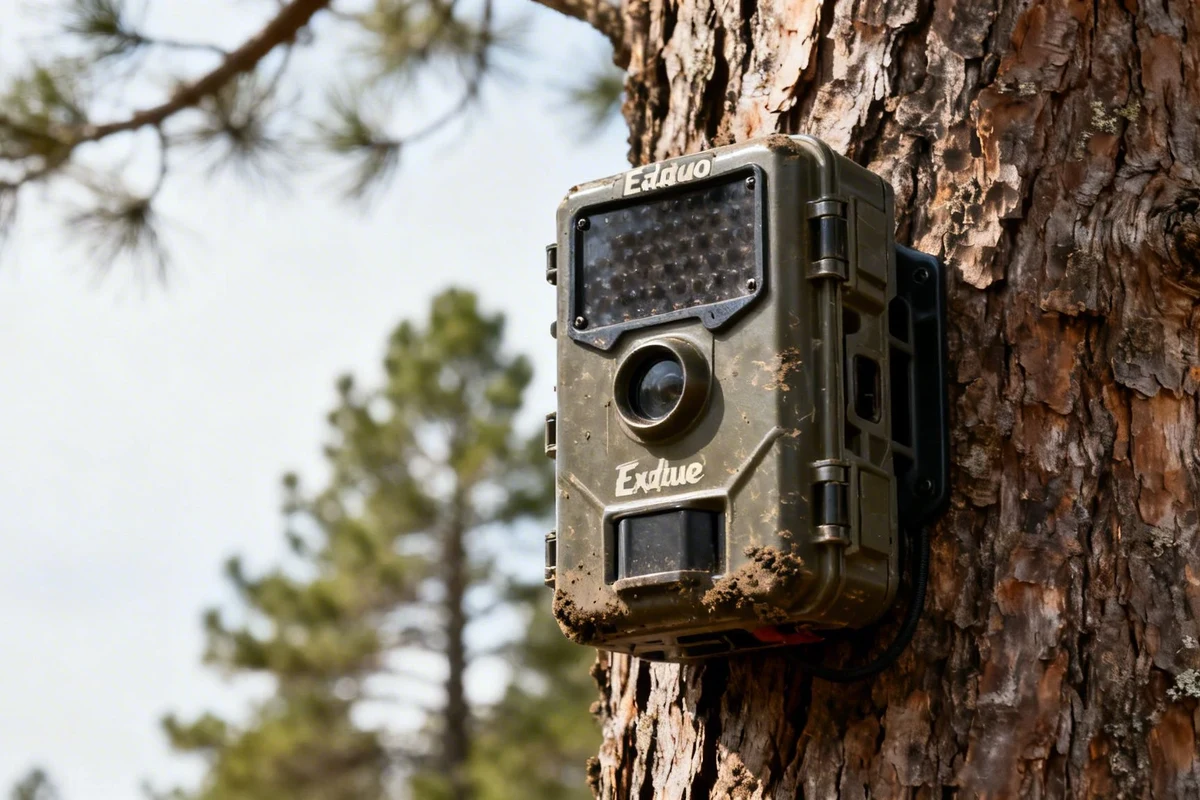
For many buyers, the real question is not whether a trail camera can take pictures, but whether it can keep working in the woods without constant fuss. That is where Exodus trail cameras tend to stand out in the conversation: they are often considered by users who want a more serious scouting tool than a bargain-bin camera, but who still need to verify the exact model’s specs, app support, and warranty terms before buying.
Because trail camera performance depends on placement, battery choice, local weather, and wildlife movement, no review can guarantee the same results for every property. The best way to judge Exodus is by comparing the model’s listed features against your hunting style, your storage needs, and how often you can physically service the camera.
What Exodus Trail Cameras Are and How They Work
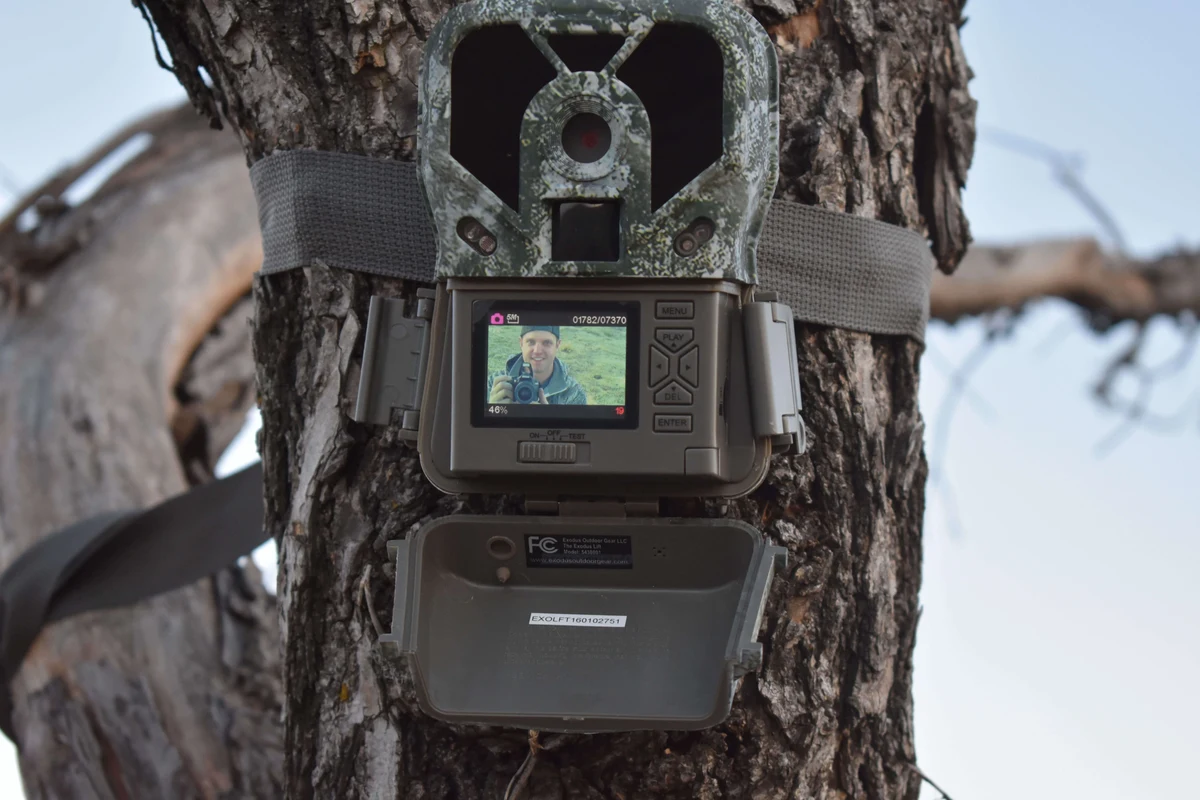
Trail cameras are motion-activated outdoor cameras that monitor wildlife, property edges, trails, feeders, and access points. Exodus trail cameras follow the same basic pattern as other scouting cameras: they wait in a low-power mode, detect movement and heat signatures, then capture still images, burst photos, or video clips depending on the model.
Core features: motion trigger, infrared flash, image capture, and video recording
Most trail cameras use a passive infrared sensor, often called PIR, to detect movement from warm-bodied animals or people. When the sensor is triggered, the camera records a photo or video and may use infrared illumination for nighttime shooting so the scene stays visible without bright white flash.
Trail camera “trigger speed” and “recovery time” are different. Trigger speed is how quickly the camera fires after detecting motion, while recovery time is how fast it can be ready for the next shot.
Image capture quality depends on the sensor, lens, processing, and how the camera handles low light. Video recording can be useful for patterning game movement, but it usually consumes more battery and storage than still photos, so it is worth checking the manual for file format and clip-length behavior.
How trail camera placement affects detection range and image quality
Even a well-reviewed camera can perform poorly if it is aimed incorrectly. Detection range, image sharpness, and the chance of false triggers all change based on distance, angle, sun direction, brush movement, and whether the camera is mounted too high or too low.
Place the camera so animals cross the frame, not straight toward it. Side-to-side movement usually gives the sensor more time to detect the subject and capture a cleaner image.
For best results, avoid pointing the lens directly at rising or setting sun, reflective water, or moving grass that can trigger unnecessary shots. A clear line of sight and a stable mount matter just as much as the camera’s advertised specs.
Who Exodus Trail Cameras Fit Best
Exodus trail cameras are usually best for buyers who care about scouting quality and field durability more than bargain pricing. They make the most sense for people who want a camera they can leave in the woods, check on a schedule, and trust to produce usable images when it matters.
Hunters, wildlife watchers, landowners, and security-minded outdoor users
Hunters can use trail cameras to study travel corridors, bedding-to-feeding movement, and timing patterns. Wildlife watchers may value quiet operation and image clarity, while landowners often want a camera that can monitor gates, driveways, barns, or remote property edges without drawing attention.
Security-minded users should remember that trail cameras are not a substitute for a full security system. They can help document activity in remote places, but they still depend on placement, storage, weather resistance, and regular checks.
Where they make the most sense versus budget trail cameras
Budget trail cameras can be fine for casual use, short-term monitoring, or backup coverage. Exodus tends to make more sense when you want a stronger balance of concealment, image quality, and long-term confidence, and when a cheaper model’s weak night photos or unreliable triggering would cost you important information.
Model availability, app features, and accessory bundles can vary by retailer and firmware version. Always confirm the exact product page and manual before you compare value.
Key Specifications and Buying Criteria to Compare
Because trail camera specs can look similar on paper, it helps to compare the details that actually affect field performance. The most useful numbers are not just megapixels, but the combination of trigger speed, recovery time, detection range, night performance, power draw, and storage support.
Resolution, trigger speed, recovery time, detection range, and night vision performance
Resolution affects how much detail you can see, but it does not guarantee better images by itself. A camera with strong optics and better processing can outperform a higher-megapixel model in real-world conditions, especially at dawn, dusk, or at longer distances.
Trigger speed matters when animals move quickly through the frame. Recovery time matters when a group of deer, hogs, or other game passes in sequence. Detection range and night vision performance are especially important if you are monitoring open lanes, feeder sites, or wide trails where the subject may not linger.
Battery type, power efficiency, storage support, and weather resistance
Check whether the model uses AA batteries, a rechargeable pack, or an external power option if supported. Battery life varies heavily with temperature, photo frequency, video use, flash intensity, and how often the camera wakes up in windy or high-traffic areas.
Weather resistance is essential for outdoor gear, but ratings and sealing claims should be verified on the official product page or manual. If the camera will face rain, snow, dust, or seasonal heat, look closely at the housing design, latch quality, and gasket condition.
Build quality, warranty coverage, and customer support expectations to verify
For a trail camera, build quality is more than cosmetic. Solid latches, a dependable mount, and a housing that resists moisture intrusion can matter as much as sensor specs because the camera may sit unattended for weeks at a time.
- Confirm the exact model number, app requirements, and supported SD card type
- Review warranty length, return policy, and whether support is handled directly by the manufacturer
- Check for firmware update notes, current compatibility details, and any recall or safety notices
Warranty coverage and support quality are worth verifying before purchase, especially for premium trail cameras. If a brand offers straightforward replacement support and clear documentation, that can offset a higher initial price.
Real-World Benefits and Trade-Offs of Exodus Trail Cameras
The biggest advantage of a better trail camera is not a flashy spec sheet; it is getting more usable information from the field with fewer missed opportunities. Exodus cameras are often evaluated by buyers who care about dependable scouting rather than novelty features.
Image clarity, reliability, concealment, and long-term field use advantages
One reason buyers consider Exodus is the expectation of strong image clarity and practical field reliability. Clearer daytime and nighttime photos can make it easier to identify antler shape, body size, travel direction, or repeated activity on a property.
Concealment also matters. A camera that blends in better and has a less obvious presence may be less likely to draw attention from people or wildlife. Over time, a camera that is easier to trust can save time because you spend less effort troubleshooting missed triggers, corrupted cards, or weak mounting hardware.
Limitations, common complaints, and where competing brands may be stronger
No trail camera brand is perfect for every buyer. Some users prefer mainstream alternatives because they may offer broader retail availability, more aggressive pricing, or simpler app ecosystems, depending on the model and region.
- Often appealing for buyers who want stronger field reliability
- Useful image quality and concealment can support better scouting
- May suit long-term outdoor placement better than ultra-budget options
- Premium positioning may not fit every budget
- Features, app support, and accessories can vary by model
- Like all trail cameras, performance depends heavily on placement and maintenance
Common complaints across the trail camera category include false triggers, slow wake-up times, weak night images, app frustration, and battery drain in cold weather. If another brand offers a better app or easier replacement parts in your area, that may be the smarter choice for your use case.
How to Set Up and Use Exodus Trail Cameras Correctly
Good setup can make a midrange camera perform better than a premium camera placed badly. The goal is to match the sensor’s detection zone, the lens angle, and the animal’s path so the camera captures useful frames instead of partial bodies or empty brush.
Best mounting height, angle, and direction for deer and other game
For deer and similar game, many users mount trail cameras around chest height on a stable tree or post, then angle them slightly downward or straight across a trail depending on the site. The best height and angle depend on terrain, vegetation, and how close the animals pass.
- Aim across a trail instead of directly down it when possible
- Keep the lens clear of tall grass, branches, and swaying leaves
- Use a stable strap or mount so wind does not shift the field of view
If you are monitoring a feeder or open clearing, test the camera’s framing before leaving the site. Small angle changes can make a big difference in whether you capture a full animal or only part of its body.
SD card setup, battery installation, app or wireless setup if supported, and test shots
Start with the storage and power basics. Insert the recommended SD card type, install batteries according to the polarity marks, and format the card in the camera if the manual recommends it.
Use the card type and battery format specified by the manufacturer, then close the housing securely.
Follow the official setup steps only, and confirm permissions, account login, and firmware status.
Walk through the detection zone and review the photos or clips before leaving the camera unattended.
If the model includes wireless or app features, verify phone compatibility, account requirements, and data settings in the official listing. App behavior can vary by firmware, carrier coverage, and region.
Common setup mistakes that reduce performance or drain batteries
One of the most common mistakes is aiming the camera too low or too high, which leads to missed heads, cropped antlers, or a lot of empty frames. Another mistake is placing it where brush or direct sunlight causes constant triggering.
Using the wrong batteries, leaving a dirty lens, or ignoring a weak seal can also shorten useful life. If the camera is not producing expected results, check placement first before assuming the hardware is defective.
Maintenance, Storage, and Safe Use in the Field
Trail cameras last longer when they are treated like outdoor electronics, not disposable accessories. Regular cleaning, battery checks, and moisture inspection can prevent many of the problems that frustrate field users.
Cleaning the lens, checking seals, replacing batteries, and inspecting cards
Use a soft, dry cloth to clean the lens and housing. Avoid harsh cleaners unless the manual explicitly allows them, because some chemicals can damage coatings or seals.
Stop using any camera that shows corrosion, swollen batteries, cracked housing, or signs of moisture inside the case. Follow the manufacturer’s guidance before reusing it.
Inspect the SD card for wear or file errors if images stop saving correctly. If the card is full, slow, or unreliable, replace it with a model that meets the manufacturer’s supported format and speed guidance.
Weather protection, seasonal storage, and avoiding heat, moisture, and corrosion
Extreme heat, freezing temperatures, and repeated moisture exposure can stress batteries and seals. When storing the camera between seasons, remove the batteries, keep the unit dry, and store it in a cool place away from direct sunlight.
Do not keep using damaged batteries or a camera that overheats, leaks, or smells burnt. Follow the official battery and storage instructions, especially when using rechargeable packs.
If the camera will sit unused for a while, check whether the manufacturer recommends periodic power-up or firmware updates before the next season. That can help avoid surprises when you are ready to deploy it again.
Ethical and legal use: property boundaries, privacy, and wildlife regulations
Trail cameras should only be placed where you have permission to monitor. Avoid pointing them into neighboring property, windows, or private areas where there is a reasonable expectation of privacy.
Wildlife regulations can also affect placement, baiting, and use during hunting seasons, and those rules vary by state or region. If you are unsure, review local regulations and landowner rules before installing the camera.
Value, Alternatives, and Final Verdict
Exodus trail cameras are best judged as a value proposition, not just a product category. If the camera saves time, captures clearer scouting data, and holds up better in the field, a higher upfront cost can be easier to justify than repeatedly replacing cheaper units.
Price-to-performance comparison and what type of buyer gets the best value
Since current prices and bundles can change by retailer, compare the exact model against its closest competitors at the time you buy. The best value is usually the camera that meets your needs with the fewest compromises in detection, night performance, storage support, and durability.
Hunters who check cameras often may be fine with a lower-cost option. Buyers who want fewer headaches and better field confidence may get more value from Exodus, provided the exact model’s specs and support terms fit their needs.
When to choose Exodus over mainstream trail camera alternatives
Choose Exodus if you want a camera that is positioned more like a serious scouting tool than a casual gadget. It can be a strong fit when image clarity, concealment, and dependable outdoor use matter more than the lowest sticker price or the widest feature list.
Hunters, landowners, and outdoorsmen who want a more premium-feeling trail camera and are willing to verify the exact model’s specs, app support, and warranty before buying.
Choose a mainstream alternative if you need the cheapest possible camera, want a very simple backup unit, or prefer a brand with broader local retail support. The right choice depends less on the logo and more on how often you will service the camera and how important each missed image would be.
Transparent recommendation for hunters and outdoorsmen in 2026
Exodus trail cameras are worth considering if you want a thoughtfully built scouting camera and you are willing to compare the exact model carefully before purchase. They are not the automatic best choice for every buyer, but they can be a strong fit for users who value dependable field performance, clear images, and practical outdoor durability.
Exodus trail cameras make the most sense for hunters and outdoorsmen who want a premium-leaning option and understand that setup, placement, and maintenance still drive real-world results. If you need the lowest price or the simplest app ecosystem, compare a few mainstream alternatives first and verify the current specs, support, and warranty details before deciding.
Frequently Asked Questions
They are best for hunters, landowners, and outdoorsmen who want dependable scouting gear with a more premium feel. Buyers who value clearer images and stronger field reliability may find them a better fit than very cheap alternatives.
Check the exact model number, supported SD card type, battery format, app requirements, and warranty terms. Also confirm current firmware, compatibility, and any retailer-specific bundle details.
Placement matters as much as specs, so aim across likely animal paths and keep the lens clear of brush. Test the camera before leaving it in the field and adjust the angle if you miss full-body shots.
Night performance depends on the exact model, infrared system, and scene distance. Check the manufacturer’s night-vision claims and review how the camera handles low light before buying.
Clean the lens, inspect seals, replace batteries as needed, and keep moisture out of the housing. Remove batteries during long storage and follow the manual for weather and temperature guidance.
They may cost more than budget cameras, and performance still depends on placement, power, and maintenance. App support, accessories, and features can also vary by model and region, so verify the exact version before purchase.