Mango Deck Camera Review for Stunning Shots
The Mango Deck Camera is a practical buy only if its official specs match your outdoor space, app needs, and power setup. Verify weather resistance, Wi-Fi compatibility, storage terms, and warranty before deciding.
The Mango Deck Camera is best thought of as a porch-and-patio camera concept: a device meant to help monitor outdoor living spaces, entry points, and shared areas without making smart home setup overly complicated. If you are considering one, the biggest questions are whether it fits your mounting space, works with your Wi-Fi and app ecosystem, and offers the video quality and weather protection you actually need.
- Best fit: Porch, deck, patio, and entryway monitoring with simple phone-based access.
- Check first: App compatibility, Wi-Fi band support, weather rating, and storage options.
- Setup matters: Placement and signal strength often affect performance more than the feature list.
- Watch for limits: Subscription features, motion false alerts, and outdoor exposure can change the experience.
Mango Deck Camera Review: What It Is and Whether It’s Worth Buying
Quick verdict for readers who want the answer now
The Mango Deck Camera is worth considering if you want a straightforward outdoor camera for a deck, patio, porch, or entryway and you prefer simpler monitoring over advanced automation. Before buying, verify the exact model’s specs, app requirements, weather rating, and storage options, because those details can vary and they determine whether the camera is a good fit for your home.
How the Mango Deck Camera fits into a smart home setup
In a smart home, a deck camera usually serves as a visibility tool rather than a full security system. It can help you check on packages, spot motion near a back door, monitor pets in the yard, or keep an eye on family activity in semi-outdoor spaces, but it should still be paired with good lighting, secure passwords, and updated firmware if the manufacturer supports it.
How the Mango Deck Camera Works in Everyday Use

Core features, app control, and connectivity expectations
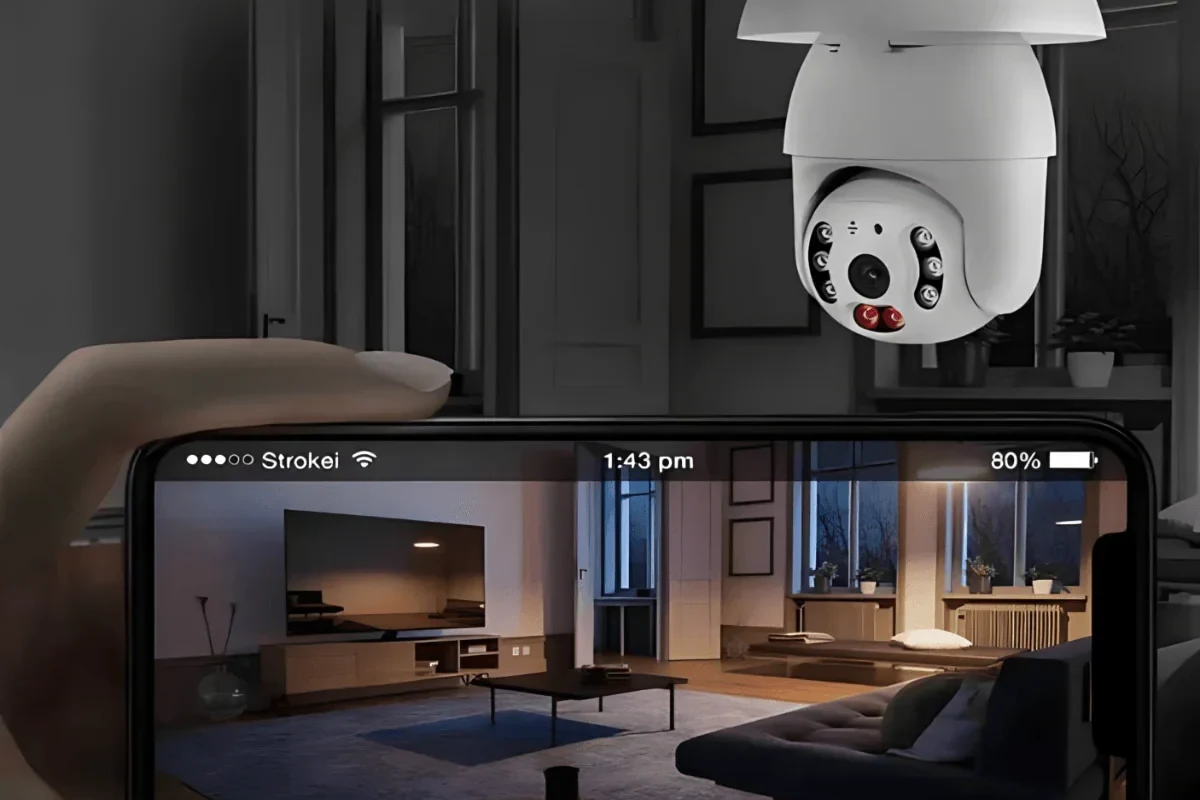
Most deck cameras are designed to stream live video to a phone app, send motion alerts, and let you review clips from a timeline or cloud library if that feature is included. The Mango Deck Camera should be evaluated the same way: look for the app it requires, whether it supports iOS and Android, whether the camera needs 2.4 GHz Wi-Fi only or also supports 5 GHz, and whether alerts can be customized for motion zones or activity schedules.
App behavior, alert timing, and cloud features can change with firmware updates, subscription plans, and phone operating system versions. Confirm the current app listing and official support pages before relying on a feature.
Power source, rated wattage, cable quality, and safe operating limits to verify
Because smart cameras can be battery-powered, plug-in, or hardwired depending on the model, it is important to verify the exact power method before installation. Check the rated wattage or adapter requirements in the manual, use only the recommended cable and power supply, and make sure outdoor-rated parts are used anywhere the cable may be exposed to weather.
Do not use frayed, pinched, or heat-damaged cables, and do not assume any replacement adapter is safe just because the connector fits. If the camera or power brick runs unusually hot, disconnect it and follow the manufacturer’s guidance.
What the camera can and cannot do in real-world conditions
A deck camera can improve awareness, but it will not eliminate blind spots, prevent all theft, or replace a proper home security plan. Performance depends on placement, lighting, Wi-Fi strength, motion sensitivity settings, and how much rain, glare, or movement is in the scene, so the real-world result is often more about setup quality than the headline feature list.
Key Specifications to Check Before You Buy
Dimensions, mounting style, and placement considerations
For a deck or patio, size and mounting style matter as much as image quality. Check whether the camera is meant for wall mounting, corner mounting, a flat shelf, or a magnetic base, and measure the space carefully so the lens has a clear view without pointing directly into a railing, soffit, or reflective surface.
Video quality, field of view, night performance, and motion detection
Video resolution is only one part of image quality. Also check the field of view, low-light or infrared performance, motion detection distance, and whether the camera can distinguish people, vehicles, or general movement, since those details affect how useful alerts are on a busy deck or in a windy yard.
If your deck faces a street or a bright yard light, look for adjustable motion zones and exposure settings. That can reduce false alerts and improve the usefulness of recorded clips.
Storage options, Wi-Fi requirements, and app compatibility
Before buying, confirm whether the camera offers local storage, cloud storage, or both, and whether any recording features require a paid plan. Also verify Wi-Fi requirements, because some cameras work best on a stable 2.4 GHz network and may struggle if the router is far from the deck or blocked by brick, siding, or metal framing.
Warranty details, replacement parts, and support policies to confirm
Warranty coverage and support policies can make a big difference with outdoor electronics. Check how long the warranty lasts, whether the company sells replacement mounts, cables, or power adapters, and whether support covers weather-related failures or only manufacturing defects.
Who the Mango Deck Camera Fits Best
Ideal users for porch, deck, patio, and entryway monitoring
This type of camera is best for homeowners or renters who want a simple way to monitor a back door, covered patio, deck, or side entrance. It is also useful for people who receive frequent deliveries, want to check on pets outside, or need a low-friction camera that can be viewed quickly from a phone.
Homes that need a practical outdoor view of a porch, deck, or entryway without a complicated security setup.
Households that need simple setup versus advanced smart home automation
Homes that mainly want live viewing, motion alerts, and basic recording will usually get the most value from a deck camera. If you want deeper automation, such as linking the camera to lights, alarms, scenes, or voice assistants, verify those integrations first because smart-home support can be limited or inconsistent by model and app version.
When a different camera type may be a better choice
A different camera may be a better fit if you need wide-area coverage, multi-camera management, advanced AI detection, or a battery-powered model for a location without nearby power. A doorbell camera may also make more sense for front-entry monitoring, while a pan-and-tilt camera may be better for large patios or yards where the view needs to move.
Setup Guide: Installing the Mango Deck Camera Safely
Placement tips for coverage, weather exposure, and privacy
Place the camera where it sees the area you care about without aiming directly into neighbors’ windows or private spaces. For outdoor use, try to keep it under some form of cover if the design allows, since that can reduce direct rain exposure, glare, and unnecessary wear on seals and lenses.
- Test the live view from your phone before final mounting.
- Check whether the camera can see package drop-off areas and door approaches.
- Avoid pointing the lens at reflective glass, metal railings, or strong lights.
App setup, connectivity steps, and common pairing mistakes
Most setup problems come from Wi-Fi mismatch, weak signal, or skipping the app’s pairing instructions. Use the official app, confirm the camera is in pairing mode, and keep your phone close to the router during setup if the manufacturer recommends it; if pairing fails, recheck whether the network is 2.4 GHz, the password is correct, and location permissions are enabled when required.
Download the manufacturer’s app from the official app store listing and review the permissions it requests.
Follow the pairing steps exactly and confirm the router band and password before retrying.
Check live view, motion notifications, and any recording settings before permanent mounting.
Powering the device correctly and inspecting cables for wear or heat
If the camera uses a cable, route it so it cannot be crushed by doors, snagged by furniture, or exposed to standing water. After installation, inspect the adapter and cable periodically for heat, discoloration, looseness, or wear, and replace only with manufacturer-approved parts or clearly compatible accessories listed by the vendor.
Stop using damaged electronics, swollen batteries, frayed cables, overheating chargers, or unstable appliances and follow the manufacturer’s guidance.
Real-Use Benefits, Limitations, and Common Mistakes
Benefits for security, convenience, and remote monitoring
The main value of a deck camera is convenience. You can check activity without walking outside, review motion events after the fact, and get a better sense of what is happening around a side entrance or backyard access point, which is especially helpful for busy households and people who travel often.
Limitations around bandwidth, weather resistance, and subscription features
Outdoor cameras depend on good Wi-Fi, and weak signal can cause delays, dropped video, or missed alerts. Weather resistance also has limits, so it is important to verify the official rating rather than assume a camera is fully stormproof, and any cloud storage, person detection, or extended clip history may depend on a subscription that should be checked before purchase.
Many motion alert problems come from placement and settings, not the camera itself. Narrowing the motion zone often improves usefulness more than increasing sensitivity.
Mistakes to avoid with mounting height, Wi-Fi range, and false alerts
Mounting too high can reduce facial detail, while mounting too low can make the camera easy to block or tamper with. Another common mistake is placing the camera at the edge of Wi-Fi range, which can create lag and unreliable notifications, and a final one is leaving motion settings too broad, which often turns leaves, shadows, and passing cars into constant alerts.
Maintenance, Storage, and Safe Long-Term Use
Cleaning the lens and housing without damaging seals or sensors
Use a soft microfiber cloth to clean the lens and housing, and avoid harsh solvents, abrasive pads, or spray cleaners that could damage coatings or seals. If the camera has gaskets, ports, or weather covers, inspect them gently and keep debris out of seams so outdoor protection is not compromised.
How to store, unplug, or remove the camera during extreme weather
If the manufacturer advises removing the camera in severe weather or during long periods of nonuse, follow that guidance. Unplug the device before handling it, let it dry fully if it was exposed to rain, and store it in a dry indoor location away from direct heat, freezing conditions, and heavy dust.
Battery care or power-adapter checks, plus when to replace worn accessories
If the model uses a battery, follow the official charging and storage instructions and avoid leaving a degraded battery in service. If it uses an adapter, replace worn accessories when you notice cracked insulation, loose connectors, intermittent charging, or excess heat, and always confirm that replacement parts match the exact model.
Final Recommendation: Is the Mango Deck Camera a Smart Buy in 2026?
Best-value buyer profile and alternatives to consider
The Mango Deck Camera makes the most sense for buyers who want a practical outdoor camera for a covered or semi-exposed living space and do not need a complex security ecosystem. If you need broader coverage, stronger automation, or a different power setup, compare it with a doorbell camera, a pan-and-tilt model, or another outdoor camera that better matches your space and app preferences.
Transparent verdict based on features, trade-offs, and evidence limits
Because no verified first-hand testing evidence is available here, the safest recommendation is to judge the Mango Deck Camera by the official spec sheet, app compatibility, weather rating, storage terms, and warranty before buying. If those details line up with your deck or patio needs, it could be a sensible smart-home purchase; if any of them are unclear or weak, choose a better-documented alternative.
Frequently Asked Questions
It is best for people who want a simple outdoor camera for a porch, deck, patio, or entryway. It suits buyers who value quick phone access and basic motion alerts more than advanced automation.
Check the mounting style, dimensions, weather resistance, video quality, field of view, storage options, and Wi-Fi requirements. Also confirm app compatibility and whether any features depend on a subscription.
Many outdoor cameras work best on a stable 2.4 GHz network, but the exact requirement depends on the model. Confirm the official compatibility notes before setup so you do not run into pairing problems.
Clean the lens with a soft microfiber cloth and avoid harsh cleaners or abrasive pads. Inspect cables, seals, and mounts regularly, and follow the manufacturer’s guidance if the camera is exposed to severe weather.
It may work well for basic monitoring, but automation support varies by model and app version. Verify integrations with lights, alarms, or voice assistants before buying if that matters to your setup.
Common limits include Wi-Fi range, weather resistance, motion false alerts, and subscription-based features. The best results depend heavily on placement, signal strength, and the exact model’s official specifications.