Polaroid Land Camera Automatic 100 Review and Guide
The Polaroid Land Camera Automatic 100 is worth considering if you want a vintage instant camera for collecting or retro shooting. If you want easy, reliable, low-maintenance instant prints, a modern camera is usually the better choice.
The Polaroid Land Camera Automatic 100 is a vintage instant camera that can still appeal to collectors and retro-photo fans, but it is best treated as a condition-sensitive hobby camera rather than a plug-and-play modern instant option. If you want a folding instant camera with classic character, it can be rewarding; if you want convenience, low running cost, and predictable results, a newer instant model is usually the better fit.
- Best fit: Collectors and analog hobbyists who enjoy vintage gear.
- Biggest factor: Condition matters more than the model name.
- Main risk: Film availability and aging parts can limit usefulness.
- Buying rule: Verify bellows, rollers, shutter, and battery compartment first.
- Bottom line: Great for character, not for convenience.
Polaroid Land Camera Automatic 100 Review: What It Is and Whether It’s Still Worth Buying
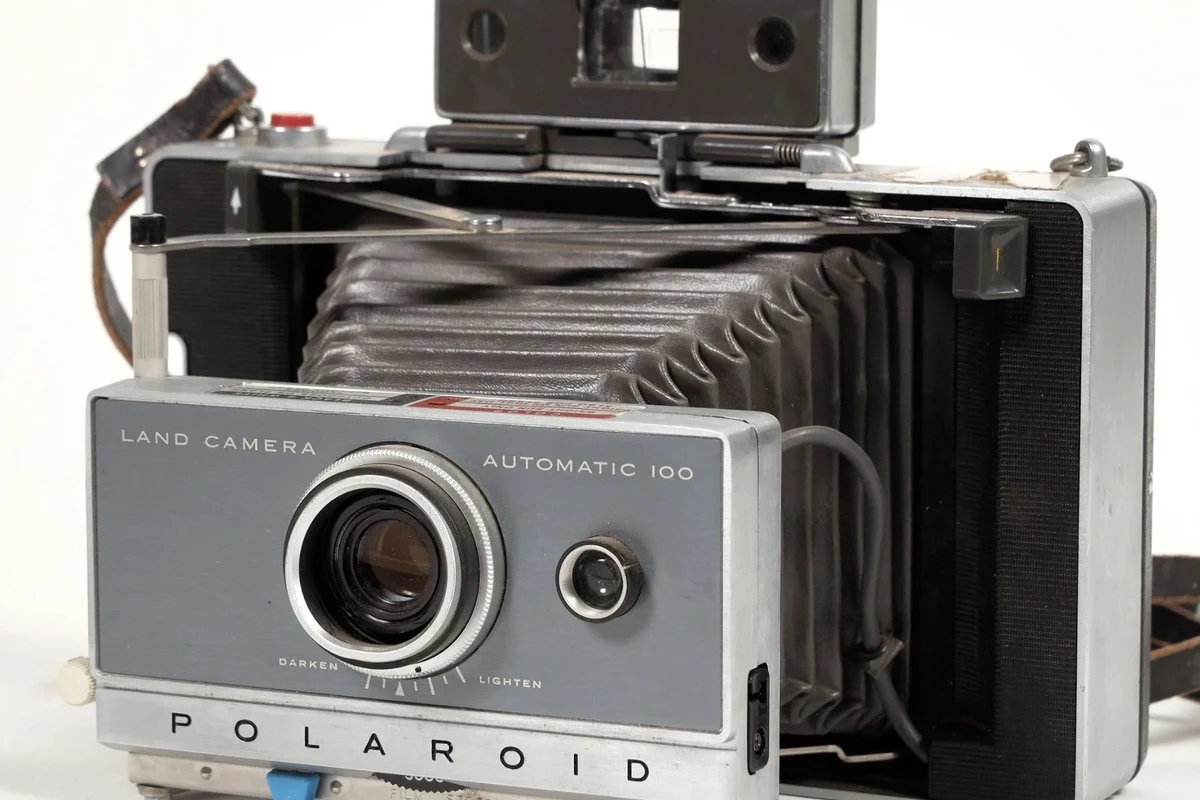
The Automatic 100 belongs to Polaroid’s classic Land Camera era, when instant photography was a mechanical experience shaped by film chemistry, manual handling, and the condition of the camera itself. In 2026, its value is mostly in the experience, the design, and the collectible charm—not in being the easiest or cheapest way to get instant prints.
Quick verdict: who the Polaroid Land Camera Automatic 100 fits best in 2026
This camera fits collectors, analog hobbyists, and vintage-tech enthusiasts who enjoy learning how older instant systems worked. It is also a reasonable choice for buyers who are comfortable inspecting used gear carefully and accepting that results may vary from camera to camera.
Why this vintage instant camera still matters for collectors and casual shooters
The Automatic 100 stands out because it represents an important stage in instant photography: a folding camera, a self-contained exposure system, and a design that feels very different from modern plastic instant cameras. Even when it is not used regularly, it can still be meaningful as a display piece, a restoration project, or a conversation-starting collectible.
How the Polaroid Land Camera Automatic 100 Works
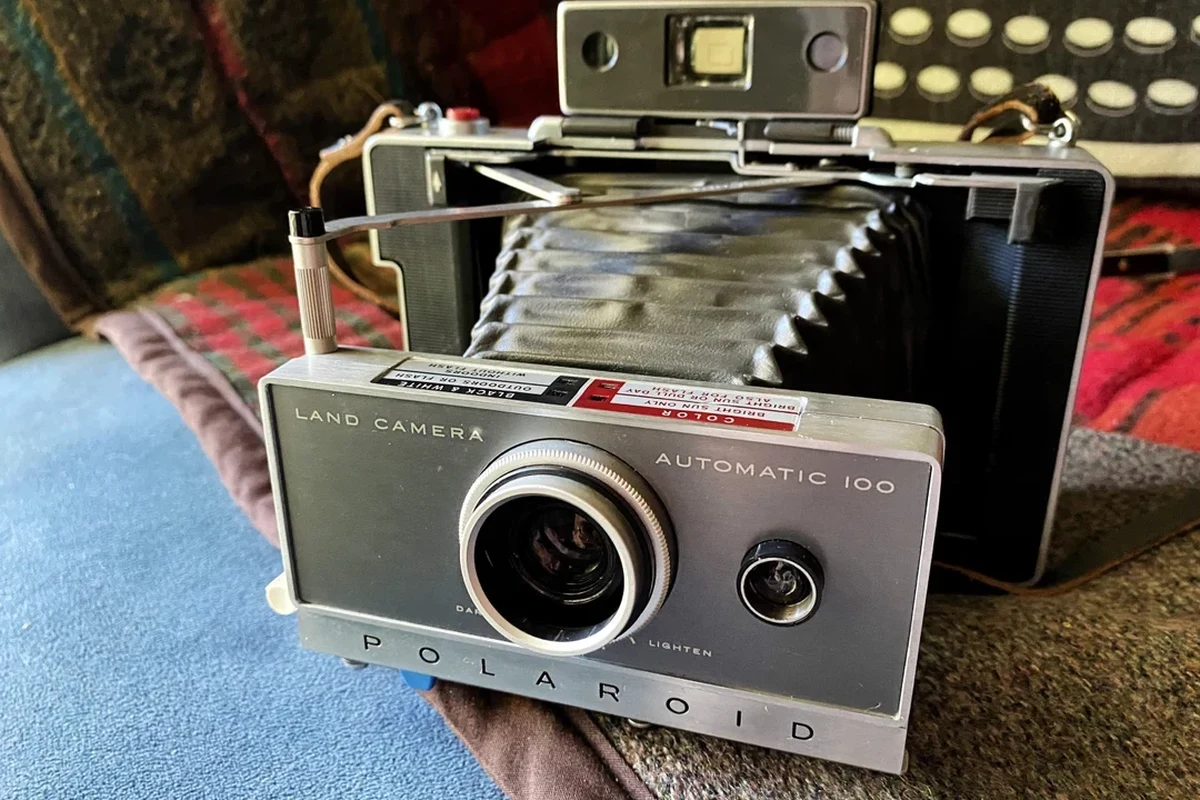
To understand whether the Automatic 100 is worth buying, it helps to know that it is a fully mechanical-style instant camera with vintage film handling. Its appeal comes from the way it folds, meters light, and processes film in a way that feels hands-on compared with modern instant systems.
Instant film process, folding design, and automatic exposure basics
The folding body makes the camera more compact when stored, and the bellows extend the lens assembly into shooting position. Like other Land Cameras, it was designed to work with Polaroid instant film systems from its era, where the camera, film pack, and processing chemistry all had to cooperate for the image to develop correctly.
“Automatic” on this model generally refers to exposure assistance rather than modern electronic automation. In practical terms, the camera helps determine exposure based on available light, but the final result still depends heavily on film type, ambient brightness, camera condition, and how carefully the shot is taken.
What “automatic” means on this model compared with modern instant cameras
Modern instant cameras often use digital metering, built-in flash logic, and standardized film packs that are easier to source. The Automatic 100 is different because it relies on older mechanical and optical design choices, so the experience can be less forgiving and more dependent on age-related wear.
Many vintage instant cameras are judged as much by their physical condition as by the model name, because aging rollers, seals, and shutters can affect results more than the design on paper.
Key Specifications and Buying Criteria to Check Before You Buy
Because this is a vintage camera, the most important “specification” is not just the model name but whether the unit is complete, functional, and compatible with the film or accessories you plan to use. Listings can vary widely, so the buyer has to verify details carefully before committing.
Film format compatibility, lens, exposure system, and viewfinder considerations
Confirm the exact film format the camera is intended to use, since vintage Polaroid systems are not interchangeable with today’s instant film without the proper model-specific setup or adaptation. Also check the lens condition, shutter response, and whether the viewfinder is clear enough to frame shots accurately.
Condition checklist: bellows, rollers, battery compartment, shutter, and light seals
The bellows should be checked for cracks, pinholes, or stiffness because light leaks can ruin exposures. Rollers need to move smoothly, the battery compartment should be free of corrosion, the shutter should fire reliably, and any light seals or foam parts should not be crumbling into the camera body.
Stop and reassess if a vintage camera shows corrosion, cracked bellows, a jammed shutter, or broken internal parts. Older electronics and mechanical assemblies can fail unpredictably, and forcing them can make the damage worse.
What to verify in a listing: included accessories, film availability, and return policy
Good listings usually state whether the camera includes the original case, flash equipment, manuals, or other accessories that may matter for use or display. You should also verify current film availability for the exact system, because some vintage formats are no longer broadly sold and may require niche sourcing or adaptation.
- Confirm the exact film format and whether it is still obtainable
- Check bellows, rollers, shutter, battery compartment, and viewfinder condition
- Review the seller’s return policy and whether functionality is guaranteed
- Ask what accessories are included and whether they are original or replacement parts
Real-World Benefits and Limitations of the Automatic 100
The Automatic 100’s value comes from its character and vintage handling, but those same traits create trade-offs. Buyers should think in terms of experience, maintenance, and risk rather than just “does it take pictures?”
Strengths: image character, portability, and hands-on shooting experience
When a vintage Land Camera is in good condition and paired with compatible film, it can produce images with a distinct analog look that many collectors enjoy. The folding design also makes it easier to store than many rigid vintage cameras, and the act of using it can feel more deliberate and memorable than shooting with a modern instant device.
- Distinctive vintage instant-camera experience
- Compact folding design for storage
- Appealing to collectors and retro-photo fans
- Can be a rewarding restoration or display piece
- Condition matters more than model name
- Film and parts may be harder to source
- Older mechanisms can be unreliable
- Results may be inconsistent compared with modern instant cameras
Limitations: film cost, aging components, repair risk, and inconsistent results
Running costs can be higher than many buyers expect because vintage instant film is not always easy to find and may be expensive when available. On top of that, old shutters, rollers, batteries, and seals can fail, which means the camera may need service before it is dependable enough for regular use.
Evidence limits: what can be judged from specs and vintage-owner reports only
No first-hand testing evidence is available for this article, so the guidance here is based on model history, buyer considerations, and common vintage-camera ownership reports. That means the most reliable evaluation is still the one you perform by checking the exact unit’s condition, documentation, and film compatibility before buying.
Who the Polaroid Land Camera Automatic 100 Is Best For
This camera is not for everyone, and that is part of its appeal. It makes the most sense for people who value nostalgia, mechanical charm, and the learning curve that comes with older photographic gear.
Collectors, analog photography beginners, and retro-tech enthusiasts
Collectors may appreciate the Automatic 100 as part of a vintage Polaroid lineup, especially if the camera is complete and cosmetically clean. Beginners who want to learn about analog photography can also enjoy it, as long as they understand that older instant systems are less forgiving than modern point-and-shoot options.
Collectors and retro-photo enthusiasts who want a classic folding instant camera and are willing to verify condition, film support, and repair risk before buying.
Who should skip it: users wanting fast, low-maintenance, modern instant printing
If you want a camera that is easy to load, cheap to run, and ready for casual everyday snapshots, a current instant camera is usually the better choice. The Automatic 100 is a better match for patience and curiosity than for convenience.
Setup, Loading, and Safe Use Guide
Because this is a vintage camera, setup is about careful handling rather than quick-start convenience. The safest approach is to follow the camera’s manual or a trusted model-specific guide and to avoid forcing any moving part.
How to load film correctly and avoid exposure mistakes
Use only the film system that matches the camera and confirm that the pack is fresh, stored properly, and compatible with the model. Load in subdued light when possible, close the back fully, and avoid opening the camera again until the film instructions indicate it is safe.
Check the exact film type, pack condition, and any required adapters or original battery arrangement before loading.
Make sure the rollers, shutter, and folding body move without resistance before inserting film.
Seat the film pack carefully and close the camera without forcing the latch or hinges.
Use the film maker’s guidance for exposure, development timing, and storage after shooting.
Safe handling of older batteries, contacts, and corroded compartments
If the camera uses a battery compartment, inspect it for corrosion before inserting anything new. Do not use damaged batteries or improvise power sources, and stop if the compartment smells unusual, looks swollen, or shows heavy residue that could indicate unsafe corrosion.
Do not use swollen, leaking, or corroded batteries, and do not force a battery into a damaged compartment. If contacts are badly corroded or the camera overheats, stop using it and consult a qualified repair professional or the manufacturer’s guidance for vintage equipment.
Common user errors: jammed rollers, incorrect lighting, and forcing the folding body
Many problems come from trying to advance film with resistance, shooting in poor light without understanding the exposure system, or folding and unfolding the camera too aggressively. Vintage cameras reward patience, and if something feels stuck, it is safer to pause and inspect than to apply more force.
Care, Storage, and Maintenance Tips for Long-Term Reliability
Long-term reliability depends on gentle cleaning and stable storage. Vintage cameras can last longer when they are kept dry, dust-free, and away from extremes that can damage bellows, leather, and internal mechanisms.
Cleaning the lens, rollers, exterior, and viewfinder without damaging vintage parts
Use a soft brush or microfiber cloth for dust, and avoid harsh solvents or abrasive cleaners on the lens, body, or viewfinder. Rollers should be cleaned carefully according to the camera’s manual or trusted restoration advice, since residue buildup can affect film transport.
- Store the camera closed when not in use to protect the bellows and lens assembly
- Keep a gentle cleaning routine instead of waiting for visible buildup
- Check the rollers and battery contacts before loading film
- Use the original manual or a model-specific guide for any maintenance step
Storage conditions: humidity, heat, leather, bellows, and film preservation
Keep the camera in a cool, dry place with stable humidity to reduce the risk of mold, leather deterioration, and bellows damage. If you store film separately, follow the film manufacturer’s storage recommendations and avoid heat exposure, which can shorten usable life and affect results.
When professional repair or replacement parts are worth considering
Professional repair is worth considering when the camera has meaningful collectible value, a rare configuration, or a problem that affects safety or basic function. Replacement parts may also make sense if they are reasonably available and cheaper than buying a better-condition unit.
Value, Alternatives, and Final Recommendation
The Automatic 100 can be a smart buy only when the price matches the camera’s condition and your tolerance for vintage-camera maintenance. Since availability and condition vary so much, the “right” purchase is usually the one with the fewest hidden problems, not simply the lowest sticker price.
Price-to-condition trade-offs and what makes a fair purchase in 2026
A fair purchase is one where the seller clearly describes the camera’s working status, cosmetic condition, included accessories, and film compatibility. If the listing is vague, assumes “as-is” with no testing, or hides key condition issues, the risk rises quickly even if the asking price looks attractive.
Comparable alternatives: other Polaroid Land models and modern instant cameras
Other Polaroid Land models may be worth considering if you want a similar vintage experience but find a better-condition unit or a model with easier servicing. If your priority is simple everyday use, a modern instant camera is usually the stronger alternative because it is easier to source, easier to operate, and less dependent on aging parts.
| Option | Best For | Key Consideration |
|---|---|---|
| Polaroid Land Camera Automatic 100 | Collectors and retro shooters | Condition and film support matter most |
| Other vintage Land Cameras | Vintage camera hobbyists | Compare serviceability and completeness |
| Modern instant cameras | Convenient everyday use | Lower maintenance and easier film handling |
Transparent verdict: buy, restore, or pass depending on your goals
Buy the Polaroid Land Camera Automatic 100 if you want a collectible folding instant camera and are willing to verify condition carefully. Restore it if the unit has strong sentimental or collectible value and only moderate repair needs; pass if you want a dependable, low-maintenance instant camera for regular use.
The Polaroid Land Camera Automatic 100 is worth buying for the right kind of user: someone who values vintage design, analog character, and the hands-on process of using classic instant gear. For most people who just want easy, reliable prints, a modern instant camera is the safer and simpler choice.
Frequently Asked Questions
It is best for collectors, retro-tech fans, and analog photography hobbyists who enjoy vintage gear. Buyers should be comfortable checking condition carefully before purchase.
Verify film compatibility, bellows condition, shutter response, rollers, battery compartment, and viewfinder clarity. Also confirm what accessories are included and whether the seller offers returns.
It is simpler than many vintage cameras, but it is not as easy as a modern instant camera. Results depend heavily on the camera’s condition, film availability, and careful handling.
Film availability depends on the exact system the camera uses and what is currently sold by the market. Confirm compatibility and supply before buying the camera.
The biggest drawbacks are aging components, possible repair needs, and potentially higher running costs. Vintage cameras can also produce inconsistent results compared with modern instant models.
Buy it if you want a collectible vintage experience and the listing checks out. Restore it only if the camera has meaningful value, and skip it if you want simple, low-maintenance instant printing.