Aoqee Security Camera Review for Smart Home Protection
The Aoqee security camera can be a useful budget-friendly smart home option if you verify the exact model’s specs, app support, and storage setup first. It is best for basic indoor monitoring, while buyers who need advanced ecosystem features or outdoor durability should compare alternatives.
The Aoqee security camera can be a practical smart home option if you want app-based monitoring, motion alerts, and a straightforward way to watch an entryway, nursery, garage, or small room. The key is to verify the exact model’s specs, storage options, and app support before buying, because those details can vary by version and seller listing.
- Verify the model: Aoqee camera features can vary by listing, region, and firmware.
- Check the app: Confirm supported phones, permissions, alerts, and storage options before buying.
- Match the space: Indoor, outdoor, mounted, or tabletop use depends on the exact version.
- Expect trade-offs: Budget cameras may need subscriptions or careful placement to avoid false alerts.
Aoqee Security Camera Review: Is It a Good Smart Home Security Pick in 2026?
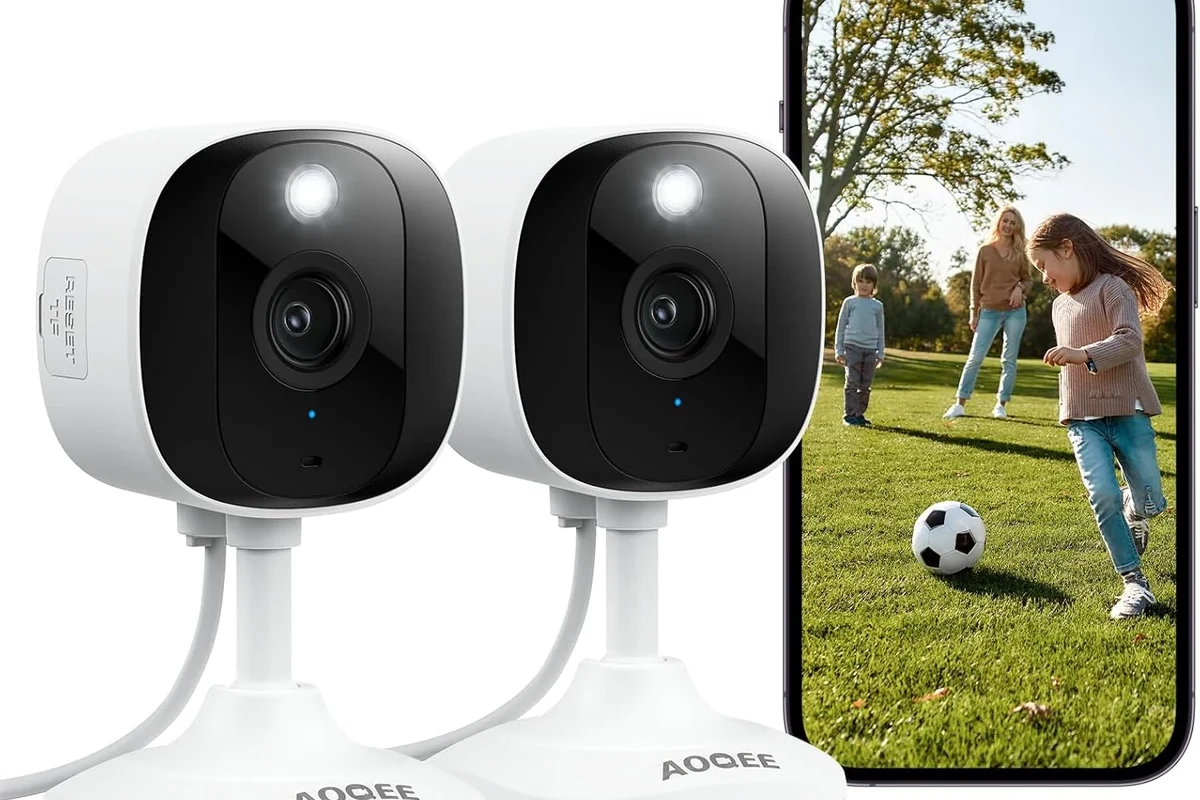
For many shoppers, the Aoqee security camera sits in the “budget-friendly, feature-dependent” category: potentially useful for basic home monitoring, but only if the specific model offers the resolution, night vision, alert quality, and storage setup you need. That makes it less about brand name alone and more about confirming the exact configuration you’re getting.
If you’re comparing it against more established smart home camera ecosystems, the biggest question is not just image quality. It’s whether the camera’s app, connectivity, privacy controls, and storage choices fit your home and your comfort level.
What the Aoqee Security Camera Is and How It Works
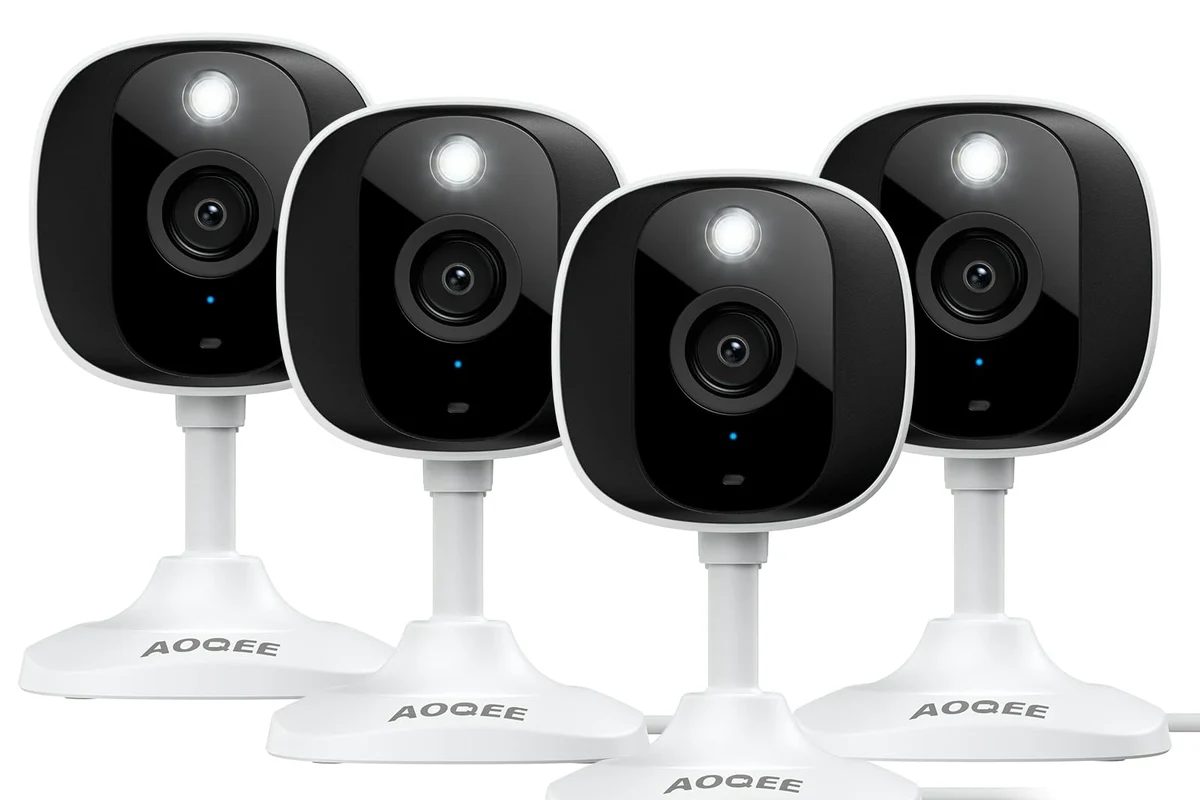
In general, an Aoqee security camera is a connected camera designed to stream video to your phone, send motion alerts, and help you check on a room remotely. Depending on the model, it may be indoor-only, outdoor-capable, pan-and-tilt, fixed-view, wired, battery-powered, or a mix of these categories.
Core features, camera type, and monitoring method
Most smart security cameras work by pairing to a mobile app over Wi-Fi, then sending live video and event alerts when motion or sound is detected. Some models also support two-way audio so you can speak through the camera, which can be useful for greeting visitors, calming a pet, or checking in on family members.
Because Aoqee sells multiple camera variants through different retail listings, don’t assume one model’s feature set applies to another. Confirm whether the unit is meant for indoor use, outdoor use, or both, and verify whether it has a fixed lens or pan-and-tilt movement.
How the app, alerts, and cloud or local storage typically function
Smart cameras usually rely on an app for setup, live view, motion zones, push notifications, and playback. Some offer cloud recording with a subscription, while others support local storage through a memory card or hub-based storage, depending on the model.
It’s smart to check whether event history requires a paid plan, how long clips are retained, and whether the camera still works if your internet goes down. For privacy-conscious buyers, local storage can be a helpful option, but it still depends on the device and app design.
Storage, alert timing, and playback features can change with firmware, app updates, and region-specific product versions. Always confirm the current listing and official manual before relying on a feature for security.
Key Specifications to Verify Before Buying
With any smart camera, the details matter more than the brand name on the box. Resolution, field of view, night vision quality, motion detection behavior, power setup, and app support all affect how useful the camera will be in daily life.
Resolution, field of view, night vision, and motion detection
Resolution affects how clearly you can identify faces, packages, pets, and movement in the frame. A wider field of view can reduce blind spots, but very wide lenses may stretch the image at the edges.
Night vision is another major factor. If the camera uses infrared night vision, it may show clear black-and-white footage in low light, but the usable range, sharpness, and reflection handling can vary by model and room size.
Motion detection also deserves attention. Some cameras send alerts for every small movement, while others let you adjust sensitivity or set activity zones. If you need reliable alerts for a doorway or driveway, check whether the camera supports those controls in the app.
Power requirements, Wi-Fi compatibility, and app support
Some cameras use USB power, while others may use a dedicated adapter or a battery system. Before buying, confirm the connector type, whether the adapter is included, and whether the camera is intended for continuous power or periodic charging.
Wi-Fi compatibility matters too. Many cameras work best on 2.4 GHz networks, while some support dual-band or newer wireless standards. If your router setup is crowded, or if the camera will sit far from the router, check compatibility carefully.
App support is equally important. Review the app store listing, supported operating systems, update history, and permission requirements before purchase. A camera can have decent hardware but still feel frustrating if the app is unstable or limited.
Before buying, search the exact model number plus “manual” and “app” so you can confirm power input, storage support, and mobile compatibility from the official source.
Dimensions, mounting options, and indoor vs. outdoor suitability
Camera size affects where you can place it and how visible it will be in a room. A compact indoor unit may sit on a shelf or table, while a larger outdoor model may need wall mounting and weather-resistant placement.
Check whether the camera includes a stand, adhesive mount, screw mount, or magnetic base. For outdoor use, verify the weather rating and temperature limits rather than assuming a camera is protected just because it looks rugged.
Who the Aoqee Security Camera Fits Best
This type of camera is usually best for shoppers who want simple, app-connected monitoring without building a full professional security system. It can make sense for renters, first-time smart home users, or homeowners who need one or two coverage points rather than whole-property surveillance.
Best use cases for apartments, entryways, nurseries, garages, and small homes
In apartments, a compact indoor camera can help monitor the front door, package deliveries, or shared living spaces. In nurseries, the main priorities are stable live view, clear low-light visibility, and reliable alerts without too many false notifications.
For garages and small homes, the camera may be useful near a side entrance, storage area, or workspace. Pet owners and remote workers may also value two-way audio and instant motion alerts when they are away from home.
Who may want a different model instead
If you need advanced smart home integration, very refined person detection, or a premium security ecosystem with long software support, you may want a more established brand. The same is true if you need outdoor durability, multi-camera management, or strict privacy controls that are clearly documented.
Buyers who want local-only recording, HomeKit-style integration, or a more mature subscription model should compare alternatives carefully. In smart home security, the app experience often matters as much as the camera itself.
Best for budget-minded users who want basic smart monitoring, as long as they verify the exact model’s app, storage, and connectivity support before buying.
Setup Guide: Installation, App Pairing, and Placement Tips
Most smart cameras are easy to physically place but more finicky in setup than they first appear. Good results depend on app pairing, strong Wi-Fi, and thoughtful placement more than on the camera alone.
Initial setup steps and account requirements
Use the official manual or product listing to avoid pairing the camera with the wrong app version.
Check what the app asks for, including notifications, local network access, and storage permissions.
If the manual specifies 2.4 GHz, use that band during setup and keep the phone close to the camera and router.
Placement for better coverage, fewer blind spots, and stronger connectivity
Place the camera where it can see the area you care about without pointing directly into a window or bright lamp. That helps reduce glare and improves motion detection consistency.
For better Wi-Fi, avoid placing the camera behind thick walls, metal cabinets, or large appliances. If the signal is weak, consider moving the router, adding a mesh node, or choosing a different mounting point.
A slightly elevated angle usually gives a better view than a low shelf. For entryways, aim for a position that captures faces rather than only the top of a person’s head.
Common setup mistakes that reduce performance
One common mistake is mounting the camera too far from the router and then assuming the camera is defective. Another is placing it where motion is constantly triggered by fans, curtains, sunlight, or pets moving through the frame.
Users also sometimes forget to update firmware or enable the right notification settings. If alerts seem delayed or missing, check the app permissions, power source, signal strength, and motion sensitivity before assuming the hardware is at fault.
- Test the live view and alerts before finalizing the mount.
- Keep the lens slightly angled away from direct light sources.
- Label cameras in the app by room so alerts are easier to manage.
Real-World Benefits and Practical Trade-Offs
The appeal of a smart camera is convenience: you can check your home from your phone instead of relying only on local visibility. That said, the experience is only as good as the network, app, and storage system behind it.
What smart home owners gain from remote access, motion alerts, and two-way audio
Remote access is the biggest everyday benefit. It lets you check whether a package arrived, whether a pet is moving around, or whether a child’s room is quiet without being physically present.
Motion alerts can provide a useful early warning, especially near doors or garage entries. Two-way audio adds another layer of practicality, since you can speak to someone at home or discourage unwanted activity without walking over to the camera.
Limitations to consider: subscription costs, false alerts, and network dependence
Some cameras rely on a paid cloud plan for video history, smart detection, or extended storage. If that is the case for your model, factor the subscription into the total cost of ownership rather than focusing only on the sticker price.
False alerts are another common trade-off. Even a decent camera can be overly sensitive if the room has moving shadows, pets, fans, or traffic outside a window. Network dependence is also real: if your Wi-Fi or internet service is unstable, remote features may be limited.
Evidence limits: what can and cannot be confirmed without verified long-term testing
Without verified long-term testing, it is not responsible to promise how well a specific Aoqee camera holds up over months of use, how consistent its alerts remain after firmware updates, or how durable it is in different climates. Those outcomes can vary by model, install quality, and home network conditions.
That is why buyers should verify current user manuals, app store reviews, warranty terms, and any recent software notes before deciding. For security devices, current documentation is often more useful than a generic product description.
Safety, Privacy, and Maintenance Guidance
Smart cameras are low-power devices, but they still deserve careful handling. A stable mount, secure account, and clean lens can make a bigger difference than many shoppers expect.
Safe use, account security, firmware updates, and data privacy settings
Use strong passwords and enable two-factor authentication if the app supports it. Review sharing settings so only the people you trust can access live video or recordings.
Install firmware updates through the official app or manufacturer instructions. Updates can improve reliability or security, but you should only apply them through trusted channels and avoid unofficial tools or modified software.
Stop using any camera or power accessory that shows damage, overheating, unstable mounting, frayed cables, or water intrusion. Follow the manufacturer’s instructions and replace questionable parts rather than improvising repairs.
Cleaning the lens, checking mounts, and keeping the camera working reliably
Use a soft, dry microfiber cloth to clean the lens gently. Avoid harsh cleaners that could damage coatings, and make sure the camera is unplugged if the manual recommends it during cleaning.
Check mounts periodically, especially if the camera is wall-mounted or placed where it can be bumped. A loose mount can change the viewing angle, create blind spots, or cause the camera to fall.
Warranty details, replacement guidance, and what to inspect over time
Before buying, review the warranty length, return window, and replacement process from the seller or manufacturer. These details matter because budget smart home products can vary widely in support quality.
Over time, inspect the cable, adapter, mount, and app behavior, not just the camera body. If notifications become inconsistent, the image quality drops, or the unit disconnects often, check support documentation and consider replacement if the issue persists.
- Check the exact model number, app requirements, and power input.
- Confirm indoor or outdoor suitability, storage method, and Wi-Fi band support.
- Review warranty terms, privacy settings, and firmware update availability.
Final Verdict: Value, Alternatives, and Buying Recommendation
The Aoqee security camera can be a reasonable choice if you want a simple smart home camera and you are willing to verify the exact specs before purchase. Its value depends less on the name and more on whether the model you choose offers the app support, storage options, and placement flexibility your home needs.
How the Aoqee Security Camera compares on value, features, and ease of use
On value, it may appeal to buyers looking for a lower-cost way to add basic monitoring to an apartment, nursery, hallway, or garage. On features, it is only competitive if the listing clearly confirms the resolution, night vision, motion controls, and storage options you want.
On ease of use, much depends on the app experience and Wi-Fi reliability. If the app is straightforward and the camera pairs cleanly, it can be a practical everyday tool; if not, setup frustration can erase the savings quickly.
Transparent recommendation for different buyer types
Choose the Aoqee security camera if you want an entry-level smart camera and you are comfortable checking specs carefully before purchase. Skip it if you need a premium ecosystem, advanced automation, guaranteed outdoor durability, or a clearly documented privacy-first setup.
For most readers, the safest buying approach is simple: verify the exact model, compare it with at least one established alternative, and make sure the app, storage, and mounting options fit your real home layout before you commit.
The Aoqee security camera is best viewed as a practical, budget-sensitive smart home option rather than a one-size-fits-all security solution. It makes the most sense for buyers who value basic remote monitoring and are willing to confirm the model details, while shoppers who need stronger ecosystem support or more documented reliability should look elsewhere.
Frequently Asked Questions
It is best for buyers who want basic smart home monitoring without a complicated setup. It can work well for apartments, entryways, nurseries, and small homes if the exact model fits the space.
Check the exact resolution, field of view, night vision, motion detection settings, power requirements, and Wi-Fi compatibility. Also confirm whether it supports cloud recording, local storage, or both.
Most smart cameras use a mobile app for setup, live view, alerts, and playback. Confirm the official app name, supported phone operating systems, and permission requirements before buying.
Only if the specific model is rated for outdoor use. Check the product listing and manual for weather resistance, mounting guidance, and temperature limits instead of assuming it is outdoor-ready.
Place the camera away from windows, fans, and direct sunlight, then adjust motion sensitivity if the app allows it. Activity zones can also help cut down on unnecessary notifications.
Check Wi-Fi strength, router band compatibility, power delivery, and firmware updates first. If the problem continues, review the manual and contact the manufacturer or retailer for support.