How to Use Disposable Camera for Great Photos Every Time
Use a disposable camera by framing your shot, keeping the subject within the recommended distance, and using flash when the light is weak. Advance the film after every photo and store the camera carefully until development.
If you want to know how to use a disposable camera, the short version is simple: point, frame, press the shutter, and advance the film before the next shot. The real trick is learning the camera’s limits so your photos come out sharp, bright enough, and properly exposed.
- Flash matters: Use it indoors and at night unless the camera instructions say otherwise.
- Distance matters: Too-close shots are a common cause of blurry or awkward photos.
- Advance after each shot: This helps prevent accidental double exposures.
- Check development first: Make sure a local lab or mail-in service handles your film type.
- Expect limits: Disposable cameras are simple by design, so lighting and timing matter more than edits.
How to Use a Disposable Camera: Quick Answer and What to Expect
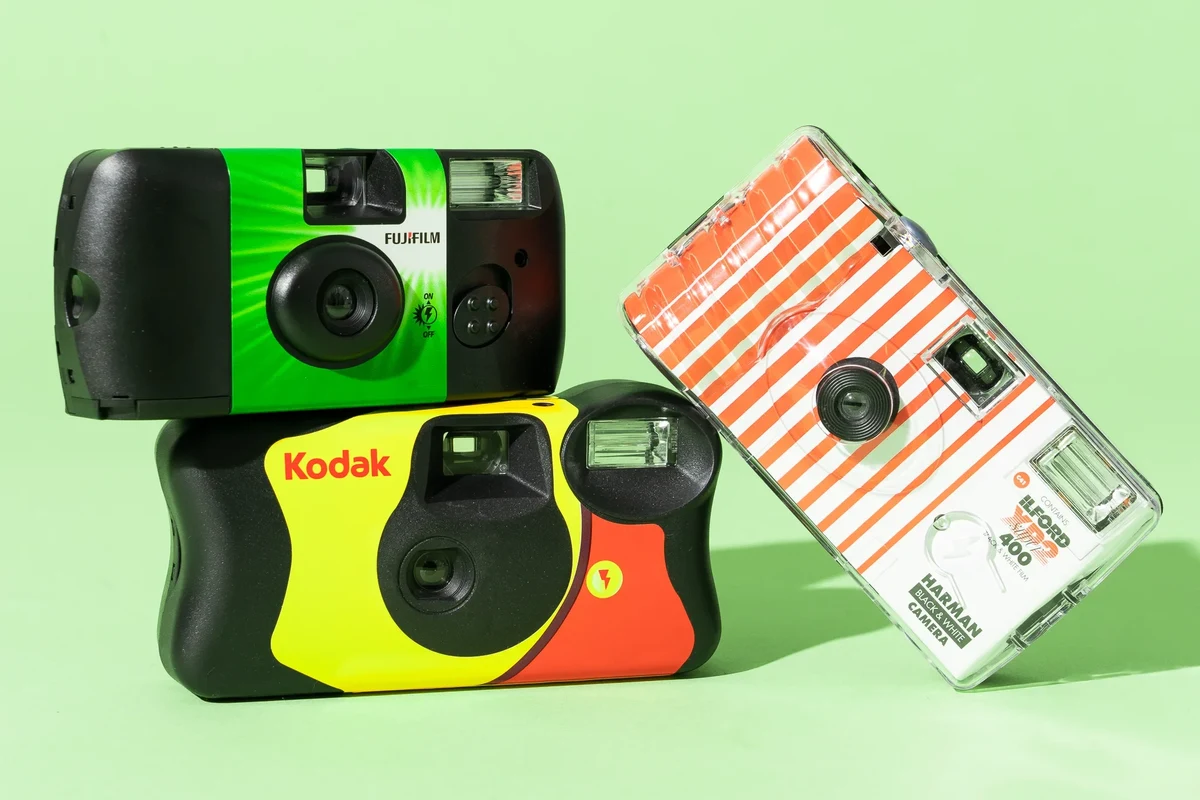
A disposable camera is a simple film camera with fixed settings, so you do not get much control over focus, exposure, or color. That simplicity is the appeal, but it also means your results depend heavily on distance, lighting, and whether you use the flash correctly.
Expect fewer “do-overs” than with a phone. Once the film is used up, the camera is usually developed as a whole roll, so careful shooting matters more than perfect editing later.
How a Disposable Camera Works in 2026
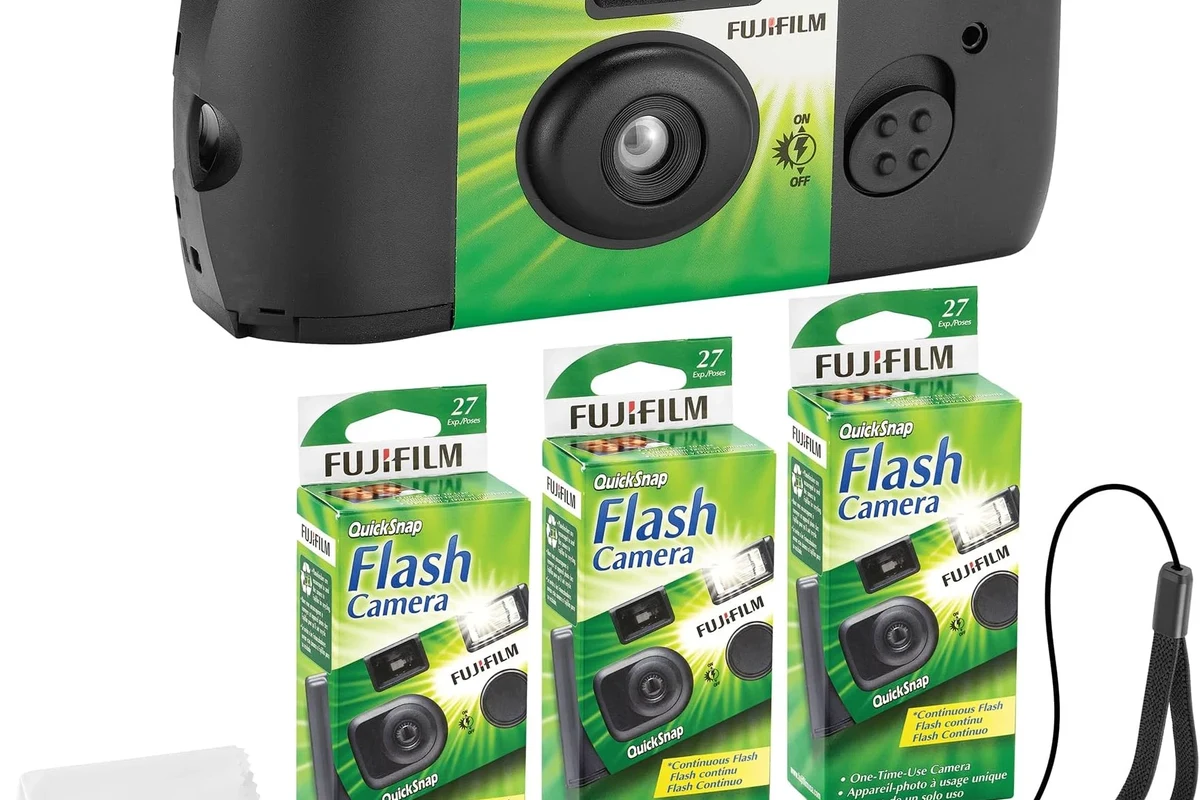
Most disposable cameras still use basic 35mm film and a fixed-lens design. Some models include a built-in flash, while others are designed for daylight, underwater use, or reusable-style film loading depending on the brand and model.
Film, flash, and the basic shooting process
You load the experience, not the camera. The film is already inside on a traditional disposable model, and the process usually goes like this: aim, check your distance, press the shutter, then turn the rewind wheel or film advance wheel until the next frame is ready.
If the camera has a flash, it usually needs to charge before it can fire again. That means you may hear or see an indicator light before taking another indoor or nighttime photo.
Disposable cameras often look “easy,” but many blurry shots come from standing too close or forgetting that the flash has a limited range.
What you can and cannot control
You can usually control framing, timing, and whether you use the flash. You generally cannot change aperture, shutter speed, autofocus behavior, or white balance the way you can on a smartphone or digital camera.
That means the camera rewards simple, deliberate shooting. If you want more control over exposure and editing, a disposable camera may feel restrictive.
Who a Disposable Camera Is Best For
Disposable cameras make sense when convenience, nostalgia, or low-tech fun matters more than technical control. They are also a good fit when you want a camera that is easy to hand to someone without teaching them menus or settings.
Travel, events, kids, beginners, and nostalgic shooters
They are popular for vacations, weddings, parties, camp trips, and casual family moments. Beginners often like them because there is less to learn, and kids or teens may enjoy the simplicity and the surprise of waiting for development.
They can also be appealing for people who want a more analog look. The grain, flash pop, and imperfect framing are part of the style rather than a flaw.
If you are handing a disposable camera to a guest or child, take one minute to explain flash use, how to advance the film, and how close they should stand. That tiny setup step saves a lot of wasted frames.
When a disposable camera is the wrong choice
If you need fast sharing, precise control, or the lowest cost per photo, a disposable camera is usually not the best option. It is also a poor fit for low-light situations where you cannot use flash effectively or where you need many shots from one outing.
For everyday documentation, a smartphone or a compact digital camera is more practical. If you want film without the waste of a single-use body, a reusable 35mm camera may be a better long-term choice.
Key Specs and Buying Criteria to Check Before You Shoot
Because disposable cameras vary by brand and purpose, it helps to check a few basics before buying or loading one. The exact details can differ by model, retailer, and region, so confirm the packaging or official product page before you rely on any feature.
Film type, exposure count, flash range, and ISO
Film type tells you what the camera can accept. Exposure count tells you how many shots you get before development, and ISO helps determine how the film behaves in brighter or darker conditions.
Flash range matters more than many buyers expect. If a subject is outside the flash’s effective distance, the photo may look dark even if the flash fired.
Waterproof, low-light, and reusable-style options
Some disposable cameras are made for water use or rough outdoor conditions, while others are better suited to daylight events. Low-light models may include stronger flash behavior, but they still have limits.
Reusable-style cameras are worth considering if you want the film experience but plan to shoot often. They can reduce waste and may offer more flexibility, though they are no longer truly disposable.
Cost per photo and film development availability
The real cost is not just the camera itself. You also need to factor in development, scanning, and any shipping or lab fees, which can vary widely by location.
Before you buy, confirm that a nearby lab or mail-in service still handles the film format you plan to use. If development is inconvenient, the camera becomes much less practical.
Step-by-Step Guide: How to Use Disposable Camera for Better Photos
The easiest way to improve disposable camera results is to slow down and think in simple terms: distance, light, and timing. That matters more than trying to “fix” the camera itself.
Hold the camera steady, look through the viewfinder, and keep the subject centered unless you want a deliberate off-center look. Leave a little extra space around faces and important details because the viewfinder may not show the image exactly as the film captures it.
Stay within the camera’s recommended shooting range, which is usually printed on the body or package. Being too close is one of the fastest ways to get blurry or awkward-looking shots.
Turn on the flash indoors, at dusk, or for night scenes unless the instructions say otherwise. Wait for the flash to charge fully before the next shot so you do not miss the exposure.
After each shot, move the film advance wheel or lever until it stops. This helps prevent accidental double exposures unless the camera is specifically designed for that effect.
Loading the mindset: framing, distance, and lighting
Think of disposable photography as “compose first, shoot once.” Since you do not get instant previews, it helps to pause and check your framing before pressing the shutter.
Lighting is the biggest variable. Bright daylight is the easiest environment, while shaded outdoor scenes and indoor rooms usually need flash or very careful subject placement near a light source.
Using the flash correctly indoors and at night
Flash is not just for dark rooms; it also helps freeze motion and brighten faces. Keep subjects within the flash range and avoid blocking the flash window with your fingers or a strap.
For group shots, stand a little farther back than you might with a phone selfie. That gives the flash a better chance to cover everyone evenly.
Flash performance, charging time, and range vary by model. Always check the camera’s printed instructions or official product page if you are unsure how close your subject should be.
Advancing the film and avoiding double shots
Advance the film immediately after each shot unless the camera manual says otherwise. If you forget, you may accidentally expose the same frame twice or jam the shooting rhythm.
Some people intentionally create double exposures for a creative look, but that is a choice, not a mistake. If you want normal results, keep the advance routine consistent.
Common Mistakes That Ruin Disposable Camera Photos
Most bad disposable camera photos are not caused by defective cameras. They usually come from simple handling mistakes that are easy to avoid once you know what to watch for.
Wrong distance, poor lighting, and blocked flash
Standing too close can soften faces, distort proportions, or make the focus look off. Poor lighting can make images muddy or underexposed, especially if the flash was not used when it should have been.
A blocked flash is another common problem. Fingers, cases, or straps can partially cover the flash window and create dark corners or uneven brightness.
Overusing zoom expectations and ignoring the film limit
Most disposable cameras do not offer true zoom control. If you want a closer shot, move your body closer within the recommended range instead of expecting the camera to crop like a phone.
It is also easy to forget how many exposures remain. Once the roll is full, any extra attempt can waste the last frame or make the camera harder to develop properly.
Storage and handling errors before development
Leaving the camera in a hot car, damp bag, or sandy pocket can affect the film and the body. Rough handling before development can also damage the film advance mechanism or expose the film to light if the camera is opened incorrectly.
If you are planning a trip, store the camera in a dry, padded place and keep it away from extreme temperatures. For more on moisture-related device care, see our guide on what to do when water gets into a charging port, which covers the same basic caution about drying and safe handling.
Safety, Care, and Storage Tips for Disposable Cameras
Disposable cameras are simple, but the film inside is still sensitive to heat, moisture, and rough treatment. A little care helps protect the roll before development and reduces the chance of disappointment later.
Do not open the camera body unless the manufacturer specifically says it is safe to do so. Exposing undeveloped film to light can ruin images, and damaged or stuck mechanisms should be handled according to the product instructions or by the photo lab.
Keeping the camera dry, clean, and temperature-safe
Keep the camera away from direct rain, pool water unless it is a waterproof model, and dusty storage areas. Wipe the outside gently with a dry cloth if it gets dirty, and avoid using cleaners that could seep into the camera body.
Temperature matters too. Extreme heat can be especially hard on film, so do not leave the camera in a parked car or next to warm electronics for long periods.
If you are traveling, keep the camera in a small pouch or zip bag with a soft layer around it. That protects the body from scratches and reduces exposure to moisture and sand.
How to handle expired or undeveloped film responsibly
If the camera has been sitting unused for a long time, the film may have aged, which can change color, contrast, or grain. That is not always a problem if you want a vintage look, but it is worth expecting less predictable results.
When the roll is finished, send it to a lab or service that clearly supports the film type. If you are unsure about availability, check the lab’s current service list before mailing anything in.
Value, Limitations, and Final Recommendation
A disposable camera is worth it when you want a simple, low-distraction way to capture moments without editing or screen time. It is less compelling when you need precision, low cost per shot, or immediate digital sharing.
- Very easy to use with minimal setup
- Fun for travel, events, and nostalgic photo styles
- No app, battery charging routine, or menu system to learn
- Limited control over exposure and focus
- Development adds cost and waiting time
- Not ideal for low light, fast action, or frequent shooting
What you gain, what you give up, and who should buy one in 2026
You gain simplicity, portability, and a distinctive film look. You give up convenience features like instant review, editing, and the ability to retake a shot until it is perfect.
In 2026, disposable cameras still make sense for occasional users, event guests, and anyone who wants a fun film experience without learning photography basics. If that sounds like you, choose one with clear flash guidance and a development option you can actually access.
Best alternatives if you want more control or lower cost
If you want more control, a reusable 35mm camera gives you the film aesthetic with less waste and more flexibility. If you want lower ongoing cost and instant results, a smartphone or compact digital camera is the more practical choice.
For readers comparing simple gadgets and everyday tech choices, our guide on whether budget chargers are safe to use is a useful reminder that the cheapest option is not always the best one when reliability matters. And if you are choosing gear for younger users, our article on how to choose headphones for kids shows the same principle: match the device to the user, not just the price.
Choose a disposable camera if you want an easy, nostalgic way to capture occasional moments and you are comfortable with film development, limited control, and a higher cost per finished photo.
Frequently Asked Questions
Check the film count, frame your subject, and press the shutter. After each shot, advance the film until it stops so the next frame is ready.
Use flash indoors, at night, or whenever the light is weak. In bright daylight, flash may be optional depending on the model and scene.
Stay within the camera’s recommended shooting distance, which is usually printed on the camera or packaging. Standing too close is one of the most common reasons disposable photos look soft or awkward.
Some models are truly single-use, while others are reusable-style cameras designed to be reloaded. Check the product details before assuming a camera can be opened and loaded again.
Blurry or dark photos usually come from poor lighting, being too close, blocked flash, or not advancing the film correctly. The camera’s fixed settings leave little room to correct those mistakes after the shot.
Verify the film type, exposure count, flash range, and development availability. If you want water use or low-light shooting, confirm that the specific model is designed for that purpose.