Electro 35 Yashica Camera Review and Buying Guide
The Yashica Electro 35 can still be a good vintage buy if you want a classic film rangefinder and are willing to verify condition carefully. Its value depends much more on working electronics, battery compatibility, and lens health than on cosmetic appearance.
If you are considering the electro 35 yashica camera in 2026, the short answer is that it can still be a smart buy for people who want an approachable vintage rangefinder with a classic film look. Its appeal comes from simple operation, a fast lens, and a design that rewards careful buying more than impulse shopping.
- Best fit: Buyers who want an approachable vintage rangefinder with a classic film feel.
- Biggest risk: Battery setup and electronic function can vary widely by camera condition.
- What matters most: Lens clarity, shutter behavior, meter response, and battery compartment health.
- Value tip: A clean, tested copy is usually better than a cheap project camera.
Electro 35 Yashica Camera Review: Is It Still Worth Buying in 2026?
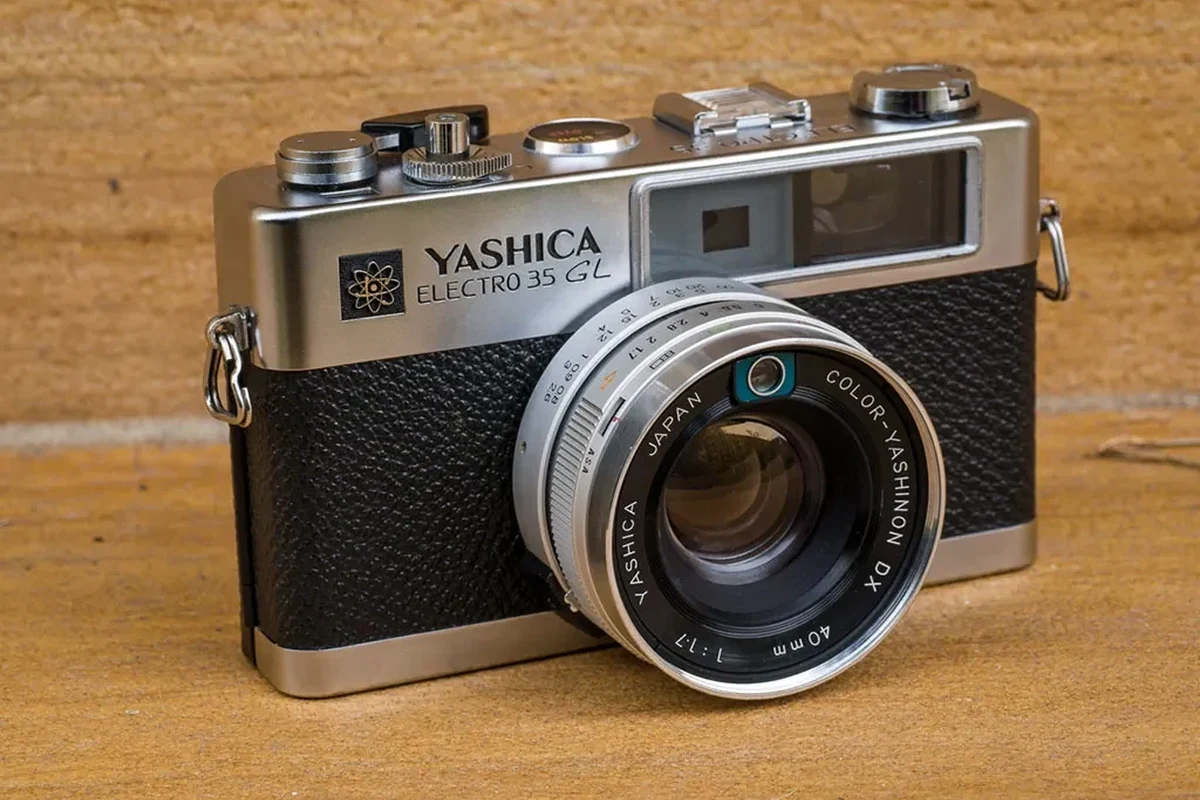
The Yashica Electro 35 remains one of the better-known 35mm rangefinders because it blends a bright lens, automatic exposure, and a relatively friendly learning curve. That said, it is a vintage camera, so condition matters more than brand name, and a “good deal” can become expensive if the meter, shutter, or electrical system needs attention.
What the Yashica Electro 35 Is and How the Camera Works
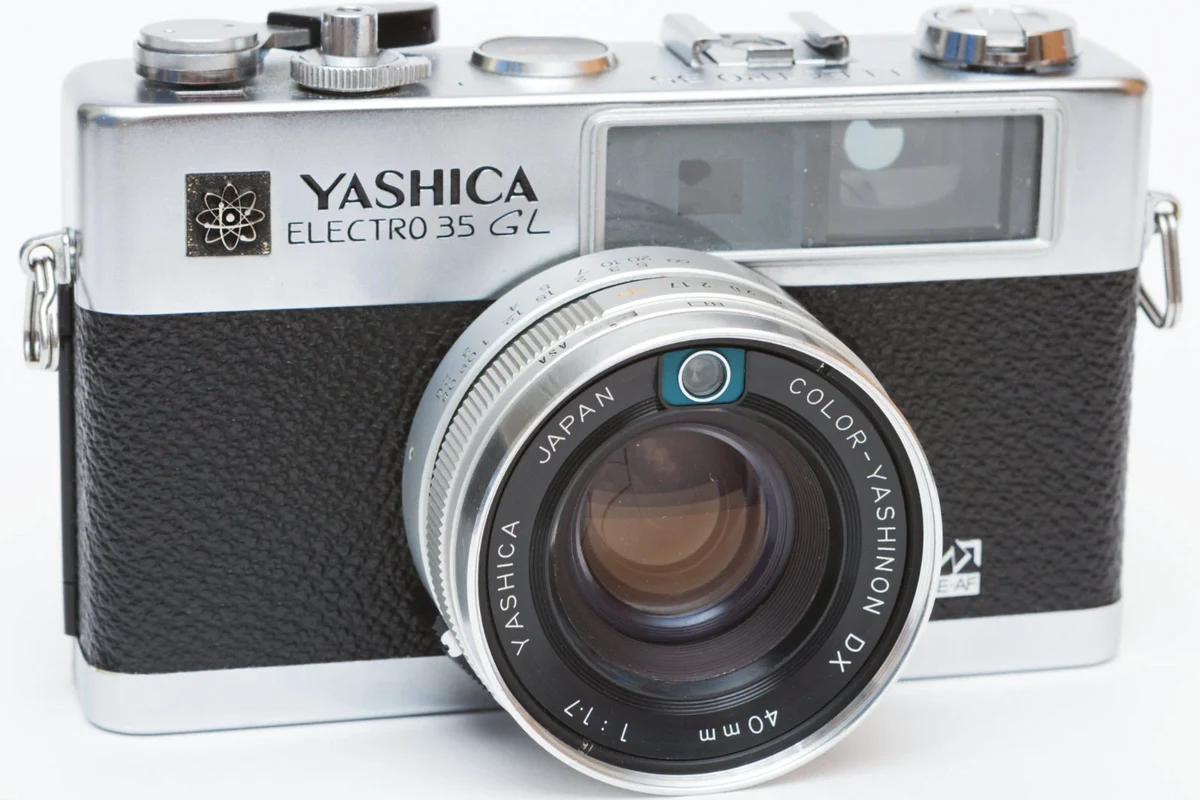
The Electro 35 is a 35mm rangefinder camera that uses an electronically controlled shutter and automatic exposure system. In practical terms, it was designed to make film photography easier than a fully manual rangefinder while still giving the user direct control over framing, focus, and film choice.
Rangefinder design, shutter behavior, and automatic exposure basics
Unlike an SLR, a rangefinder does not show you the scene through the taking lens. Instead, you focus by aligning the rangefinder patch in the viewfinder, then the camera meters the light and sets shutter timing automatically within its operating range.
That automatic behavior is a major reason the camera still has fans. It reduces the number of exposure decisions a beginner has to make, but it also means the camera depends on working electronics and a healthy battery system.
What “electro” means in practical use for modern buyers
The “electro” part is not just branding; it points to the camera’s electronic exposure control. For modern buyers, that means you should expect battery dependence, meter behavior that can vary from copy to copy, and a stronger need to verify function before purchase.
Different Electro 35 versions and seller listings may describe lens coatings, battery adapters, or minor cosmetic differences differently. Always confirm the exact model and the seller’s test notes before buying.
Key Specs and Buying Criteria to Check Before You Purchase
Because this is a vintage camera, the most useful “specs” are the ones that affect whether it will actually work for you. Focus on the lens, battery setup, and visible condition rather than cosmetic claims alone.
Lens, focal length, aperture, and focusing range
The Electro 35 is best known for its fixed normal lens, which is typically a 45mm-class lens depending on the version. That focal length is versatile for street photography, travel, and everyday scenes because it is close to what many people naturally see.
The lens aperture is also important because it affects low-light capability and background blur. For buyers, the key question is not just whether the lens exists, but whether it is clear, free of haze or fungus, and able to focus smoothly through the full range.
Battery requirements, voltage realities, and safe replacement options
Battery compatibility is one of the biggest buying issues with older cameras like this. Many vintage cameras were originally designed around mercury cells that are no longer sold in the same form, so modern owners often need an adapter, a compatible substitute, or a different battery solution depending on the camera and region.
Do not assume any “replacement battery” listing is automatically safe or accurate. Check the official manual or a trusted repair guide for the exact battery type and voltage expectations, then confirm whether the seller has already adapted the camera for modern cells.
Use only battery solutions recommended for the camera or by a qualified technician. If a battery compartment is corroded, swollen, leaking, or overheating, stop using the camera until it is inspected.
Condition checks: light seals, viewfinder clarity, meter response, and shutter health
Condition is where vintage camera value is won or lost. Check the light seals for deterioration, the viewfinder for haze or dirt, the meter for responsiveness, and the shutter for consistent behavior at different settings.
If the seller cannot show clear evidence that the shutter fires reliably and the meter responds to changing light, treat the camera as a project rather than a ready-to-shoot purchase. That distinction matters because repair costs can exceed the price difference between a rough copy and a cleaner one.
- Confirm the exact Electro 35 version and battery setup
- Check lens clarity, rangefinder alignment, and shutter response
- Inspect light seals, foam, and battery compartment corrosion
- Ask for recent functional notes, not just cosmetic photos
Who the Electro 35 Fits Best: Ideal User, Skill Level, and Use Cases
This camera is not ideal for everyone, but it can be a strong fit for the right user. The best match is someone who wants a classic film experience and is willing to learn a few basics before shooting.
Beginners learning manual film photography
Beginners often like the Electro 35 because it removes some exposure guesswork while still teaching framing and focusing. It can be a useful bridge between fully automatic cameras and more manual film bodies.
Even so, it is not a “zero effort” camera. A beginner should be comfortable loading film, understanding battery dependence, and learning how rangefinder focusing works before relying on it for important photos.
Collectors, street photographers, and casual 35mm shooters
Collectors may value the Electro 35 for its place in film-camera history and its recognizable design. Street photographers and casual shooters often like the combination of a normal lens, quiet operation, and a compact-enough body for everyday carry.
Buyers who want a vintage rangefinder with an approachable shooting style and are willing to verify condition carefully before purchase. If you want fully predictable modern support, a newer film camera or digital alternative may be a better fit.
Real-World Benefits and Limitations of the Electro 35
The Electro 35’s strengths are easy to understand, but its weaknesses matter just as much. Vintage cameras are often loved for character, yet that character comes with maintenance and reliability tradeoffs.
Why it remains appealing: image character, simplicity, and value
Many buyers are drawn to the camera because it offers a classic film rendering and a straightforward shooting experience. The fixed lens encourages a consistent style, and the rangefinder format can make the camera feel less bulky than some interchangeable-lens systems.
It can also represent solid value if you find a clean, functioning copy at a fair price. In vintage-camera shopping, value usually comes from a camera that is ready to use rather than one that only looks good in photos.
Common drawbacks: size, weight, battery dependence, and repair risk
The Electro 35 is not a tiny pocket camera, and some users find it heavier than expected for a fixed-lens body. The battery dependence is another real limitation, especially if the camera has not been tested recently or if replacement solutions are unclear.
Repair risk is the biggest hidden cost. If the meter fails, the shutter becomes inconsistent, or the battery compartment is damaged, you may need a specialist who understands vintage electro-mechanical cameras.
- Classic 35mm rangefinder shooting experience
- Automatic exposure can simplify learning
- Fixed normal lens is versatile for everyday subjects
- Can be a strong value when bought in working condition
- Battery setup can be confusing on vintage copies
- Function varies widely by seller and condition
- Repairs may be difficult or costly
- Not ideal if you want a fully low-maintenance camera
How to Set Up and Use the Electro 35 Safely
Once you have a working copy, careful setup helps protect both the camera and your film. The main goals are to load film correctly, confirm the meter behaves as expected, and avoid forcing old mechanical parts.
Loading film, setting exposure, and checking meter behavior
Load 35mm film according to the camera’s manual and make sure the film advances smoothly before closing the back. After loading, take a few test frames in safe conditions so you can verify that the shutter fires and the film transport works normally.
If the camera’s meter is active, observe whether its response changes when you move from bright light to shade. That simple check can reveal whether the exposure system is alive, sluggish, or unreliable.
Follow the manual so the film seats correctly on the take-up spool and the advance lever moves without resistance.
Point the camera at brighter and darker areas to see whether the exposure indication changes in a believable way.
Use a few non-critical frames first so you can identify issues before a trip or event.
Safe battery use, inspection tips, and avoiding electrical or mechanical damage
Use only the battery type or adapter setup that is appropriate for your exact camera version. If you are unsure, stop and verify with the manual or a reputable technician rather than guessing.
Never force the battery door, pry at corroded contacts, or keep using a camera that shows heat, leakage, or unstable operation. Vintage electronics can fail in ways that are hard to see at first, so cautious handling is the safest approach.
Stop using damaged electronics, corroded battery compartments, or cameras with repeated shutter failures until they are inspected and serviced by a qualified repair source.
Maintenance, Storage, and Long-Term Care Guide
Good care matters more with a vintage camera than with a modern one. Keeping the body clean, the optics protected, and the camera stored in stable conditions can extend its usable life.
Cleaning the body, lens, and viewfinder without damaging coatings
Use a soft brush or blower for dust, then a clean microfiber cloth for the exterior. For the lens and viewfinder, use only gentle lens-cleaning methods and avoid harsh chemicals that could damage coatings or seals.
Do not soak the camera or use aggressive pressure on the lens elements. On older equipment, a careful dry clean is usually safer than an overdone cleaning attempt.
Storage conditions, humidity control, and when replacement parts matter
Store the camera in a cool, dry place with moderate humidity to reduce the risk of mold, corrosion, and sticky mechanisms. If you live in a humid climate, basic moisture control can be more important than decorative storage cases.
Replacement parts matter most when the camera has worn seals, a failing battery contact, or viewfinder issues that affect usability. If those parts are unavailable, the camera may still be collectible, but it may not be the right choice for regular shooting.
Before long-term storage, remove the battery if the camera will sit unused for an extended period. That small step can help reduce corrosion risk in older battery compartments.
Value, Alternatives, and Final Verdict for 2026 Buyers
The Electro 35 can still be worth buying if you want a classic rangefinder and are willing to verify condition carefully. The smartest purchase is usually a clean, functional camera from a seller who can clearly explain battery setup, meter behavior, and any service history.
What to pay, what to avoid, and how it compares with similar vintage rangefinders
Because market prices vary by condition, region, and included accessories, it is better to compare listings by functionality than by asking price alone. A low-cost camera that needs electrical work can end up being a worse value than a more expensive one that is ready to shoot.
Compared with other vintage rangefinders, the Electro 35 stands out for its accessible shooting style and well-known lens reputation. However, if you want a camera with fewer battery concerns or easier parts support, another vintage model or a simpler manual camera may be a better long-term choice.
Transparent recommendation: who should buy, who should skip, and why
Buy the Electro 35 if you want a film camera with character, can handle a little learning, and are prepared to verify battery compatibility and working condition. Skip it if you want a low-maintenance camera, need guaranteed service support, or do not want to deal with vintage electronics.
For most 2026 buyers, the Electro 35 is best treated as a thoughtful vintage purchase rather than a casual one. If you choose carefully, it can still be a rewarding camera; if you buy blindly, it can become a repair project instead of a photography tool.
The Yashica Electro 35 is still a worthwhile vintage camera for buyers who value film character, rangefinder handling, and a relatively approachable shooting experience. Its biggest weakness is that condition and battery compatibility matter so much, so only buy a copy with clear functional proof or a realistic service plan.
Frequently Asked Questions
Yes, if the beginner wants a gentle introduction to rangefinder film photography. It is easier than many fully manual cameras, but it still requires learning film loading, focusing, and battery basics.
Check lens clarity, rangefinder alignment, shutter response, meter behavior, light seals, and battery compartment condition. Ask the seller for clear functional notes, not just cosmetic photos.
Yes, the camera depends on battery power for its electronic exposure system. Confirm the exact battery type or adapter setup for the specific model before buying.
A good copy should have a clear viewfinder, smooth focusing, a responsive meter, and a shutter that behaves consistently. Deteriorated seals, corrosion, or a dead meter are warning signs.
It can be, if you find a working example with honest seller notes and no major repair needs. A cheap camera that needs service is often worse value than a cleaner, tested one.
The main drawbacks are battery dependence, vintage repair risk, and variable condition across used listings. It is also not the best choice if you want a fully low-maintenance camera.