Video Camera Drain Inspection Fort Myers Guide to Save Money
A video camera drain inspection in Fort Myers is worth it when clogs keep returning or the problem may be hidden underground. It helps identify the real cause so you can avoid unnecessary digging and repeat plumbing visits.
If you’re dealing with repeated clogs, slow drains, or a mysterious sewer smell, a video camera drain inspection in Fort Myers can often save money by showing the real problem before anyone starts digging. It is especially useful when you need a clear diagnosis, not just another temporary snake-and-hope fix.
- Best value: Repeated clogs, suspected root intrusion, or hidden sewer damage.
- What to verify: Cable length, image quality, locator support, and recording options.
- Money saver: It reduces guesswork and can prevent unnecessary excavation.
- Main limit: A camera diagnoses the line, but it does not repair it.
Video Camera Drain Inspection Fort Myers: The Fast Answer on When It Saves You Money
The short answer is that a drain camera inspection saves money when the issue is hidden, recurring, or expensive to guess at. In Fort Myers homes, that often means tree roots, pipe offsets, buildup, or damage in older lines, where a visual inspection can help a plumber target the repair instead of replacing more pipe than necessary.
It is less useful when the problem is already obvious, like a clogged sink trap or a simple toilet blockage. The value comes from reducing guesswork, especially if you are comparing repair quotes or trying to avoid a costly excavation.
How Video Drain Camera Inspection Works in Fort Myers Homes
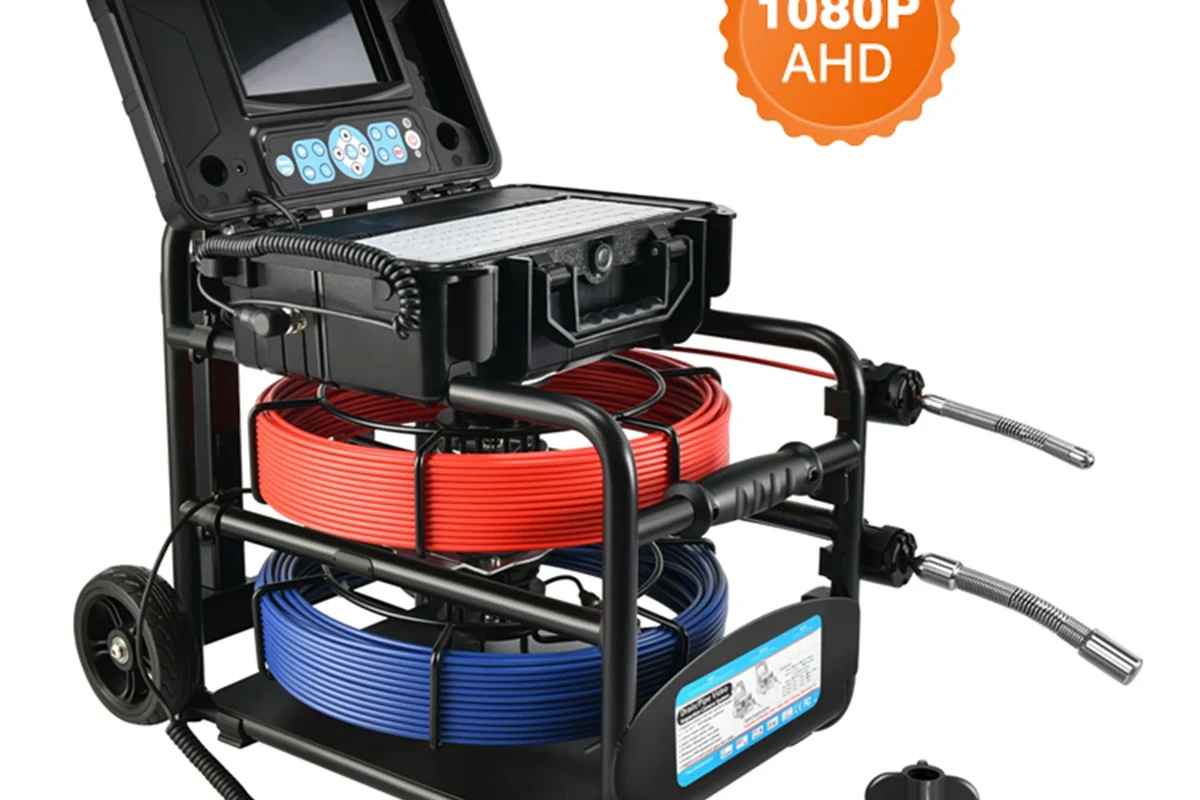
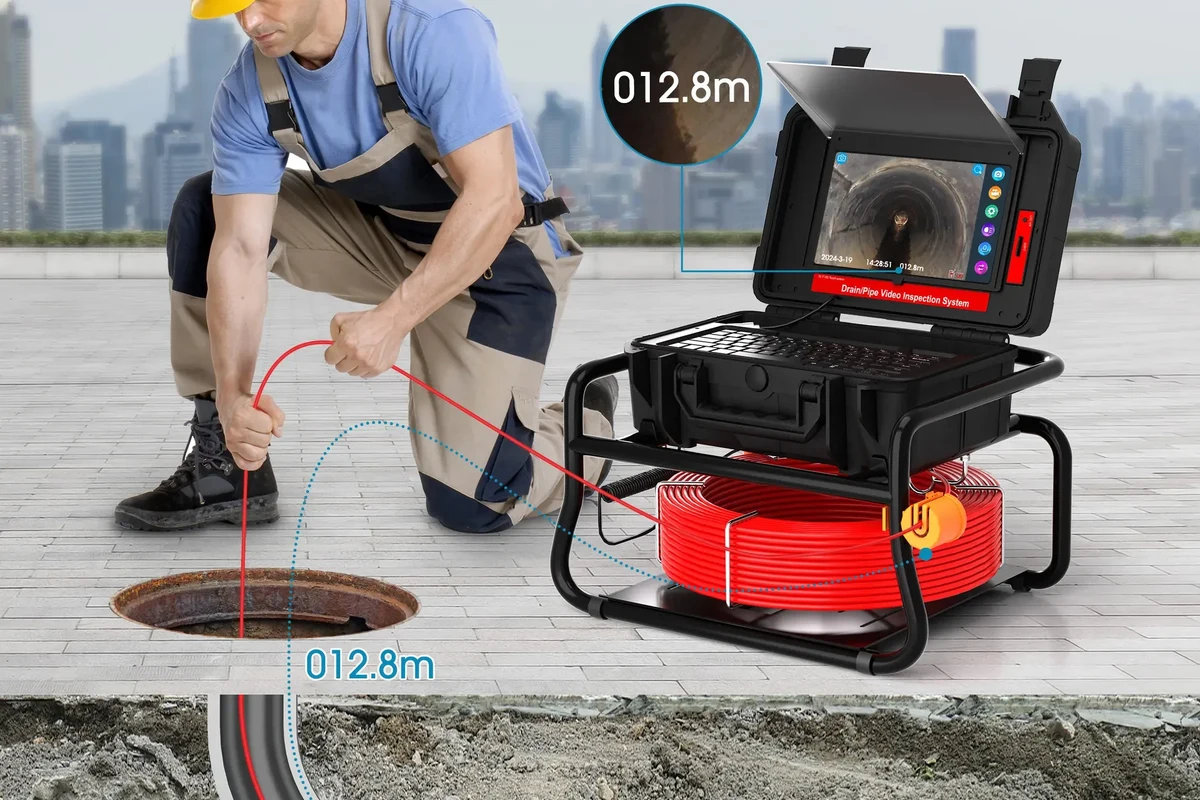
A plumber feeds a small waterproof camera into the drain or sewer line through an access point, then watches the live feed to identify what is happening inside the pipe. In many cases, the camera also works with a locator so the technician can estimate where a problem sits under the yard, slab, or driveway.
What the camera sees inside sewer and drain lines
The camera can reveal cracks, root intrusion, separated joints, grease buildup, standing water, corrosion, bellies, and debris that would never show up from the outside. It can also show whether the line is partially blocked or completely closed, which changes the repair approach.
Many drain cameras are paired with a sonde or locator signal, which helps estimate where the camera is underground without opening the entire line.
That matters in Fort Myers because slab foundations, landscaping, and mature trees can make hidden pipe issues harder to diagnose by symptoms alone. A visual record can also help explain why a drain keeps backing up after basic clearing.
Typical equipment used by local plumbers
Most drain inspection setups include a flexible push cable, a waterproof camera head, a monitor or tablet, and sometimes a locator transmitter. Some systems also record footage so the homeowner can review the findings later or share them with another contractor.
Features vary by model and service provider. Recording quality, locator accuracy, cable length, and image clarity should be confirmed before booking if you need a report for insurance, a sale, or a second opinion.
For longer sewer runs, cable length and stiffness matter because a cheap or undersized camera may not reach the problem area. If the line is narrow, heavily curved, or partially collapsed, the technician may need a different access point or another diagnostic method.
Who Benefits Most From a Drain Camera Inspection
This service is most useful when the plumbing issue affects more than one fixture, keeps returning after snaking, or may involve buried pipe damage. It is also helpful when you need documentation rather than a rough verbal estimate.
Homeowners dealing with recurring clogs or backups
If the same drain keeps slowing down, a camera inspection can show whether the problem is grease, roots, scale, a sagging section, or a damaged fitting. That can prevent the cycle of paying for temporary clearing when the line really needs repair.
- Ask whether the inspection includes a written summary or recorded footage.
- Request the estimated location of any defect, not just a description of the symptom.
- Compare the camera findings with your recent clog history to see if the issue is recurring or isolated.
Homeowners with older plumbing or large trees on the property often get the most value because hidden line problems can become expensive if they are ignored too long. The earlier you identify the cause, the more likely you are to choose a targeted repair.
Buyers, sellers, and property managers in Southwest Florida
For buyers, a camera inspection can uncover sewer issues before closing, which may affect negotiations or repair credits. For sellers, it can help document the condition of the line and reduce surprises during the transaction.
Property managers and landlords benefit when repeated tenant complaints point to a deeper line problem rather than a simple fixture clog. In multi-unit or high-use properties, a camera inspection can help separate one-off misuse from a system-wide issue.
- Confirm the service covers the correct line type: drain, branch line, or main sewer.
- Ask whether the provider can access the line through a cleanout or another safe access point.
- Verify whether footage, photos, and a written report are included.
Key Factors to Compare Before Booking a Service
Not every camera service is equally useful. The best choice depends on the pipe layout, the quality of the equipment, and whether the quote includes diagnostic detail or only a quick look.
Pipe size, access points, and line length
Before booking, ask what pipe sizes the camera can handle and how the technician plans to access the line. A cleanout is usually the easiest entry point, but older homes may have limited access or no obvious cleanout at all.
Line length matters because the camera must reach the suspected problem without losing image quality or pushability. If the issue is far from the access point, the provider may need a longer cable or a different inspection approach.
Camera resolution, locator accuracy, and recording options
Higher image clarity makes it easier to distinguish root hairs from major intrusion, or a minor offset from a more serious break. Locator accuracy is equally important if you want the plumber to mark the problem area for repair.
Recording is especially helpful if you plan to compare estimates from more than one plumber. A saved video can reduce confusion and make it easier to discuss the same defect with different contractors.
Service pricing, diagnostic fees, and repair estimates
Prices vary by provider, access difficulty, and whether the inspection is bundled with another service. Some companies charge a diagnostic fee that may or may not be applied toward repair work, so it is worth asking how the billing works before scheduling.
Be cautious of a low upfront quote that does not include footage, a locator, or a clear explanation of findings. The cheapest inspection is not always the best value if it leads to another visit because the diagnosis was incomplete.
Real-World Money-Saving Benefits and Where the Value Comes From
The main savings come from precision. Instead of paying for broad digging or repeated drain clearing, you get a better idea of what is wrong and where it is happening.
Finding root intrusion, cracks, grease buildup, and offsets early
Early detection can prevent a small defect from turning into a major sewer failure. Roots may start as a partial intrusion, grease may build slowly, and a small offset may become a larger blockage if the line shifts further.
Homeowners who want to avoid repeated service calls and identify hidden pipe damage before it becomes a larger repair. The main limitation is that the camera shows the condition of the line, but it does not automatically fix it.
When the problem is caught early, repair options may be less invasive. That can mean targeted spot repair, cleaning, or a specific section replacement rather than a larger excavation.
Avoiding unnecessary digging and repeat plumbing visits
Without a camera, a technician may have to rely on symptoms and assumptions. That can lead to repeat snaking, extra labor, or digging in the wrong place, all of which can cost more than the inspection itself.
A camera inspection can also help avoid the common mistake of treating a symptom instead of the cause. If the line has a structural issue, clearing it once may only provide temporary relief.
Limitations, Evidence Gaps, and Common Mistakes to Avoid
A drain camera is a diagnostic tool, not a cure. It can show what is happening, but the next step still depends on the type of defect and the condition of the plumbing system.
When a camera inspection cannot solve the problem alone
If the line is completely blocked, severely collapsed, or inaccessible, the camera may not be able to pass far enough to inspect the full run. In those cases, the technician may need to clear the blockage first or use another method.
Stop using damaged plumbing fixtures in a way that worsens flooding or sewage exposure, and follow the plumber’s safety guidance if the inspection reveals a broken line or active backup.
Also remember that a camera cannot always show the full structural condition of the pipe wall if debris, water, or a sharp bend limits visibility. A good diagnosis may combine camera footage with plumbing history, pressure behavior, and on-site observation.
Misreading symptoms and skipping follow-up repairs
One common mistake is assuming that a cleared drain means the problem is gone for good. If the camera shows roots, offsets, or a sagging section, the line may back up again until the underlying issue is repaired.
Another mistake is overreacting to minor buildup that could be cleaned and monitored. The best decision comes from matching the footage to the severity of the symptom, not from assuming every visible issue requires immediate major work.
Safety, Maintenance, and What to Ask Before and After the Inspection
Drain inspections are generally low-risk for the homeowner, but they still involve sewage systems, wet surfaces, and potentially damaged piping. A careful process protects both the property and the people working on it.
Safe use around sewage, water intrusion, and damaged pipes
Ask the provider how they protect floors, clean access areas, and handle contaminated water if the line is backing up. If there is active sewage exposure or water intrusion, the technician should treat the area cautiously and follow appropriate cleanup procedures.
Do not enter or handle sewage-contaminated areas without proper precautions, and avoid using fixtures if there is an active backup that could worsen flooding or contamination.
If the inspection reveals a broken pipe or major leak, ask what immediate steps are recommended to prevent further damage. In some cases, the safest move is to limit water use until repairs are scheduled.
How to review footage, store reports, and plan next steps
After the inspection, ask for a plain-language summary of what was found, where it was found, and what the next repair options are. If video is available, store it with the date, address, and plumber’s notes so you can compare it later if the problem returns.
- Save the footage and report in one folder with any repair estimates.
- Ask whether the defect location was marked on the property for future work.
- Keep the documentation if you may sell the home or request multiple quotes.
It also helps to ask what signs would mean the issue needs monitoring versus immediate repair. That keeps you from paying for unnecessary work while still avoiding the risk of ignoring a serious defect.
Final Recommendation: Is Video Camera Drain Inspection Worth It in Fort Myers?
For many Fort Myers homeowners, a video camera drain inspection is worth it when clogs keep coming back, the line may be hidden under concrete or landscaping, or you need proof before approving a repair. It is especially valuable when the goal is to reduce guesswork and avoid paying for the wrong fix.
Best-fit scenarios and when to choose another diagnostic option
Choose a camera inspection if you want to find roots, cracks, offsets, or buildup before the problem becomes a larger repair bill. Choose another option first if the issue is a simple visible clog, a fixture trap problem, or a situation where the line cannot be safely accessed yet.
In the end, the service is most cost-effective when it leads to a specific repair plan instead of another temporary clearing. If you compare access, image quality, recording, and the clarity of the estimate, you are more likely to get the savings the inspection is meant to provide.
Frequently Asked Questions
It saves money when the clog keeps returning, the cause is hidden, or the line may have structural damage. A camera helps a plumber target the repair instead of guessing or digging in the wrong place.
It can reveal roots, cracks, offsets, grease buildup, corrosion, debris, and standing water. It also helps show whether the line is partially blocked or severely damaged.
A cleanout is often the easiest access point, but it is not always required. The provider should confirm access options before the visit because older homes may have limited entry points.
Yes, if you want to compare estimates, keep records, or share findings with another contractor. Footage and a written summary make it easier to understand what was found and where it was located.
A camera cannot fix the issue, and it may not pass through a severe blockage or collapsed section. In some cases, another diagnostic step or a repair is needed before the full line can be inspected.
Compare access methods, camera quality, locator support, recording options, and how diagnostic fees are handled. Ask for a clear explanation of findings so you know whether the proposed repair matches the actual problem.