Can Wheel Speed Sensor Affect Acceleration
Yes, a faulty wheel speed sensor can affect acceleration by causing traction or stability systems to limit power. The real problem is often the sensor circuit, hub, or wiring rather than the sensor alone.
Yes—a bad wheel speed sensor can affect acceleration, but usually indirectly. It can confuse traction control, stability control, or ABS systems, which may reduce engine power or brake a wheel when the vehicle thinks there is slip.
- Indirect effect: The sensor usually does not reduce engine power by itself; control systems do.
- Common symptoms: Jerky takeoff, reduced throttle response, and ABS or traction warning lights are typical clues.
- Diagnosis matters: Live wheel-speed data and physical inspection help separate sensor faults from wiring or hub.
- Vehicle type: AWD and traction-heavy vehicles often show the problem more clearly.
- Repair caution: Replacing the sensor alone may not fix the issue if the real fault is.
Can a Wheel Speed Sensor Affect Acceleration? The Short Answer and What It Means
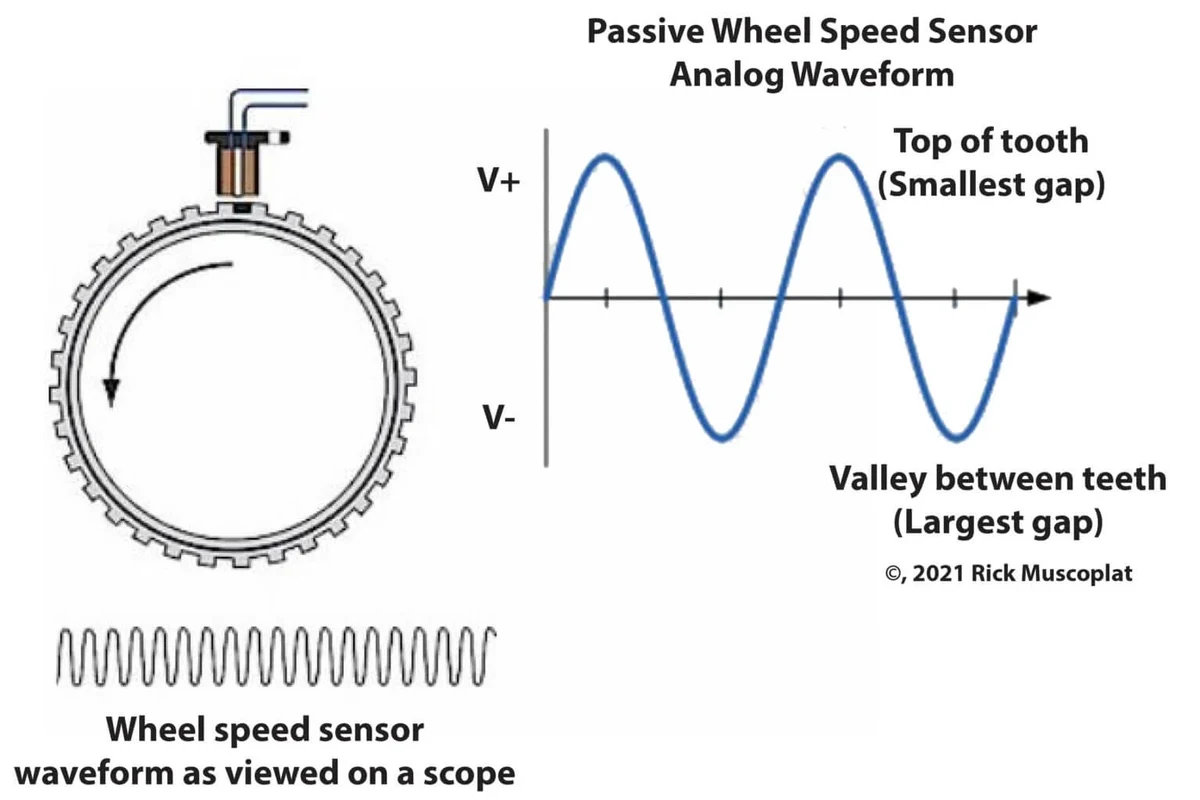
A wheel speed sensor does not normally “make” the engine slower on its own. What it can do is send incorrect wheel-speed data to the vehicle’s control modules, and those systems may respond by limiting throttle, cutting power, or applying brake intervention to protect traction and stability.
That means the symptom many drivers feel is not a classic engine problem, but a drivability problem: hesitation, reduced power, jerking, or a car that seems to “hold back” during takeoff. On vehicles with aggressive traction management, a sensor fault can feel surprisingly similar to a transmission or engine issue.
How a Wheel Speed Sensor Works in Modern Vehicles
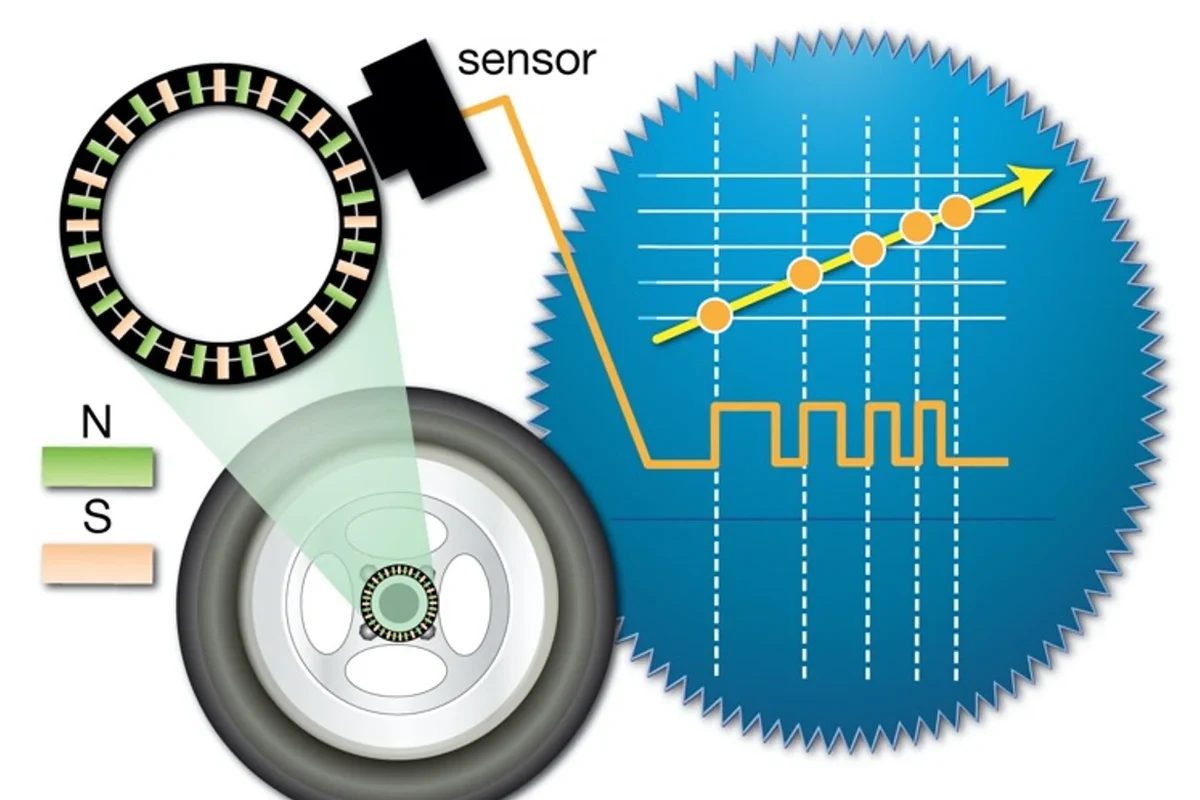
Wheel speed sensors measure how fast each wheel is turning and send that information to the ABS module, traction control system, and sometimes the powertrain control module. Depending on the vehicle, the sensor may be a magnetic pickup or a Hall-effect style sensor, and the exact design varies by model.
What the sensor reads and how the ECU uses that data
The sensor reads wheel rotation through a tone ring, encoder ring, or integrated hub signal. The ECU and related modules compare the four wheel speeds, looking for signs that one wheel is slipping, locking, or rotating differently from the others.
If the data looks inconsistent, the vehicle may react conservatively. That can include reducing engine torque, altering throttle response, or limiting acceleration so the system can regain control.
Why wheel speed data matters for traction control, ABS, and stability systems
Wheel speed data is central to modern safety systems. ABS uses it to prevent wheel lock during braking, traction control uses it to reduce wheelspin during acceleration, and stability control uses it to help keep the vehicle pointed where the driver intends.
When one sensor reports a speed that does not match the others, the system may assume a loss of traction even if the road surface is fine. In that case, the vehicle can feel sluggish or uneven because the safety software is reacting to bad information.
Some vehicles use wheel speed data not only for ABS and traction control, but also for transmission shifting logic, cruise control behavior, and hill-start assistance.
Signs a Faulty Wheel Speed Sensor Can Cause Slow, Jerky, or Limited Acceleration
Drivers often notice the problem during low-speed launches, wet roads, or turning from a stop. The car may feel like it is momentarily losing power, then recovering, then hesitating again as the system repeatedly interprets the data as slip.
Common drivability symptoms drivers notice first
Typical signs include traction control or ABS warning lights, reduced throttle response, intermittent limp-mode behavior, jerky starts, and a feeling that the vehicle is fighting acceleration. In some cases, the speedometer may also act erratically if the vehicle uses wheel speed data for that function.
The symptom pattern matters. If the hesitation happens mainly at takeoff, in rain, on snow, or when turning, wheel speed data becomes a stronger suspect than spark, fuel, or air problems.
When the problem is the sensor versus the wiring, hub, or control module
A failed sensor is only one possible cause. Damaged wiring, a loose connector, corrosion, a cracked tone ring, a dirty hub area, or a control module fault can create the same symptoms.
That is why replacement should follow diagnosis, not guesswork. If the wiring is intermittently open or the hub encoder is damaged, a new sensor alone may not restore normal acceleration.
If the vehicle feels unstable, loses braking confidence, or displays multiple warning lights, drive cautiously and avoid aggressive acceleration until the fault is checked. Safety systems may be compromised or behaving unpredictably.
Which Vehicles and Drivers Are Most Affected by Wheel Speed Sensor Problems
Any vehicle with ABS can be affected, but the impact is often more noticeable on newer cars with traction control, stability control, and integrated driver-assist features. The more the vehicle relies on wheel-speed data, the more a bad sensor can shape how it accelerates.
Daily commuters, winter drivers, and performance cars with traction systems
Daily commuters may notice a brief hesitation at intersections or merging onto traffic. Winter drivers often feel the issue more because the system is already sensitive to slip on snow, slush, or ice.
Performance cars can be especially noticeable because traction control may intervene quickly to protect grip. That can make a sensor fault feel like the car is “pulling power” even when the engine is healthy.
How AWD, FWD, and modern driver-assist systems change the impact
All-wheel-drive vehicles may be more sensitive because the control system constantly compares wheel speeds across multiple axles. Front-wheel-drive vehicles can also feel the effect strongly because the front tires handle both steering and much of the acceleration load.
Modern driver-assist systems add another layer of dependence on accurate wheel-speed data. If the sensor input is wrong, the vehicle may not only limit acceleration but also alter stability, hill-start, or cruise-related behavior.
Key Diagnostic Checks: Specifications, Scan Data, and Failure Clues
Good diagnosis starts with the vehicle’s service information, not assumptions. The exact sensor type, pinout, air gap, and test method vary by make and model, so the official manual or manufacturer repair information should guide the process.
Live data, trouble codes, and comparing wheel speeds
A scan tool can show live wheel-speed readings from each corner. If one wheel drops out, reads zero briefly, or shows a value that does not match the others under similar conditions, that sensor circuit deserves attention.
Common trouble codes may point to a specific wheel or a circuit issue, but the code alone does not prove the sensor is the only failed part. Comparing live data while driving slowly and turning can help reveal intermittent faults that a static scan may miss.
- Compare all four wheel speeds under the same driving condition, not just at idle.
- Check whether the fault appears after hitting a bump, turning, or braking hard, which can suggest wiring movement.
- Use the vehicle’s service manual to confirm whether the sensor is active, passive, hub-integrated, or tone-ring based.
Physical inspection criteria: tone ring damage, corrosion, debris, and harness wear
Inspect the sensor area for rust, metal debris, mud, damaged seals, cracked tone rings, and harness chafing. Corrosion around connectors is especially important because moisture intrusion can create intermittent signals that mimic a failed sensor.
On hub-integrated systems, the encoder ring may be part of the bearing assembly, which means the problem may not be the sensor itself. That is one reason an accurate visual inspection can save money and prevent unnecessary part replacement.
- Check the exact sensor location and part type for your vehicle model.
- Confirm connector style, wiring condition, and whether the hub or tone ring is part of the issue.
- Review the service manual, warranty terms, and any current technical service bulletins before replacing parts.
Real-World Benefits of Fixing a Bad Wheel Speed Sensor Early
Fixing the issue early can restore smoother acceleration and prevent the vehicle from repeatedly entering protective behavior. It also reduces the chance of chasing the wrong problem, especially when the symptom feels like engine hesitation but is actually a control-system response.
Restoring smooth acceleration and preventing safety-system false triggers
Once the sensor signal is accurate again, traction and stability systems can make better decisions. That usually means fewer false interventions, more predictable throttle response, and less jerking when pulling away from a stop.
For drivers who rely on the vehicle in rain, snow, or stop-and-go traffic, that smoother response can make the car feel more normal and easier to control.
Reducing brake wear, warning lights, and unnecessary part replacement
A faulty wheel speed sensor can also trigger warning lights that stay on until the fault is repaired. In some cases, false system activity can increase brake wear if the vehicle is applying a wheel unnecessarily.
Early diagnosis can also prevent unnecessary replacement of expensive components. If the real problem is a damaged wire, connector, or hub assembly, replacing only the sensor may not solve it.
Limitations, Common Mistakes, and Safe Repair Practices
Not every acceleration complaint is caused by a wheel speed sensor, even if the warning lights point in that direction. Engine misfires, fuel delivery issues, transmission faults, and throttle-body problems can create similar symptoms, so a broad diagnosis is important.
Why sensor replacement does not always solve acceleration issues
One common mistake is replacing the sensor without checking the circuit or wheel hardware. If the tone ring is cracked, the bearing is worn, or the harness is damaged, the new sensor may report the same bad data.
Another mistake is ignoring intermittent faults. A vehicle can pass a quick parked inspection and still fail under vibration, heat, moisture, or steering angle changes.
Safety steps, inspection habits, and when professional diagnosis is the better value
Use safe inspection habits: support the vehicle properly if wheels must be removed, follow the service manual, and avoid disturbing brake components unless you know the correct procedure. If the vehicle has multiple faults, repeated warning lights, or a complex hub-integrated setup, professional diagnosis is often the better value.
Stop using damaged electronics, swollen batteries, frayed cables, overheating chargers, or unstable appliances and follow the manufacturer’s guidance.
Final Recommendation: When to Replace, Repair, or Keep Driving Carefully
If acceleration feels limited and the ABS or traction control light is on, start with a scan of wheel-speed live data and a close inspection of the affected wheel, wiring, and hub area. If the fault is confirmed, repair the wiring or hardware problem first, then replace the sensor only when the diagnosis supports it.
If the vehicle still drives normally and the symptom is minor, you may be able to drive carefully for a short time while arranging diagnosis. But if the car is jerking badly, losing power unpredictably, or showing stability warnings, treat it as a safety issue and get it checked promptly.
- A wheel speed sensor can affect acceleration indirectly by triggering traction or stability interventions.
- Bad wiring, corrosion, tone-ring damage, or hub faults can mimic a failed sensor.
- Live scan data and a physical inspection are the best first checks before replacing parts.
- Fixing the issue early helps restore smooth takeoff and reduces unnecessary warning lights and part swaps.
Frequently Asked Questions
Yes. A faulty sensor can make traction control or stability systems think a wheel is slipping, which may reduce engine power or brake a wheel.
Common symptoms include ABS or traction control warning lights, jerky takeoff, reduced throttle response, and intermittent limp-mode behavior.
Yes. Damaged wiring, corrosion, loose connectors, or hub/encoder damage can create the same symptoms as a bad sensor.
They usually compare live wheel-speed data with a scan tool, read trouble codes, and inspect the sensor, connector, tone ring, and harness for damage.
If the vehicle is only showing a warning light and driving normally, cautious short-term driving may be possible. If acceleration is erratic or stability warnings appear, it should be checked soon.
No. If the real issue is wiring, corrosion, a cracked tone ring, or a hub assembly fault, replacing only the sensor may not solve it.