Can Wheel Speed Sensor Cause Limp Mode
Yes, a faulty wheel speed sensor can cause limp mode on some vehicles, but it more commonly triggers ABS or traction-control warnings first. Confirm the code, inspect the wiring and hub area, and verify live wheel speed data before replacing parts.
A wheel speed sensor can cause limp mode on some vehicles, but it is not the most common reason. More often, a bad sensor triggers ABS, traction control, stability control, or transmission-related warnings that may lead the vehicle computer to reduce power as a precaution.
- It can happen: Some vehicles use wheel speed data in limp-mode decisions.
- Not always the sensor: Wiring, corrosion, hubs, and tone rings can create the same symptoms.
- Scan first: ABS-capable codes and live data are the fastest way to narrow the fault.
- Replace carefully: Fitment, connector type, and calibration needs vary by vehicle.
Can a Wheel Speed Sensor Cause Limp Mode? Quick Answer and What It Means
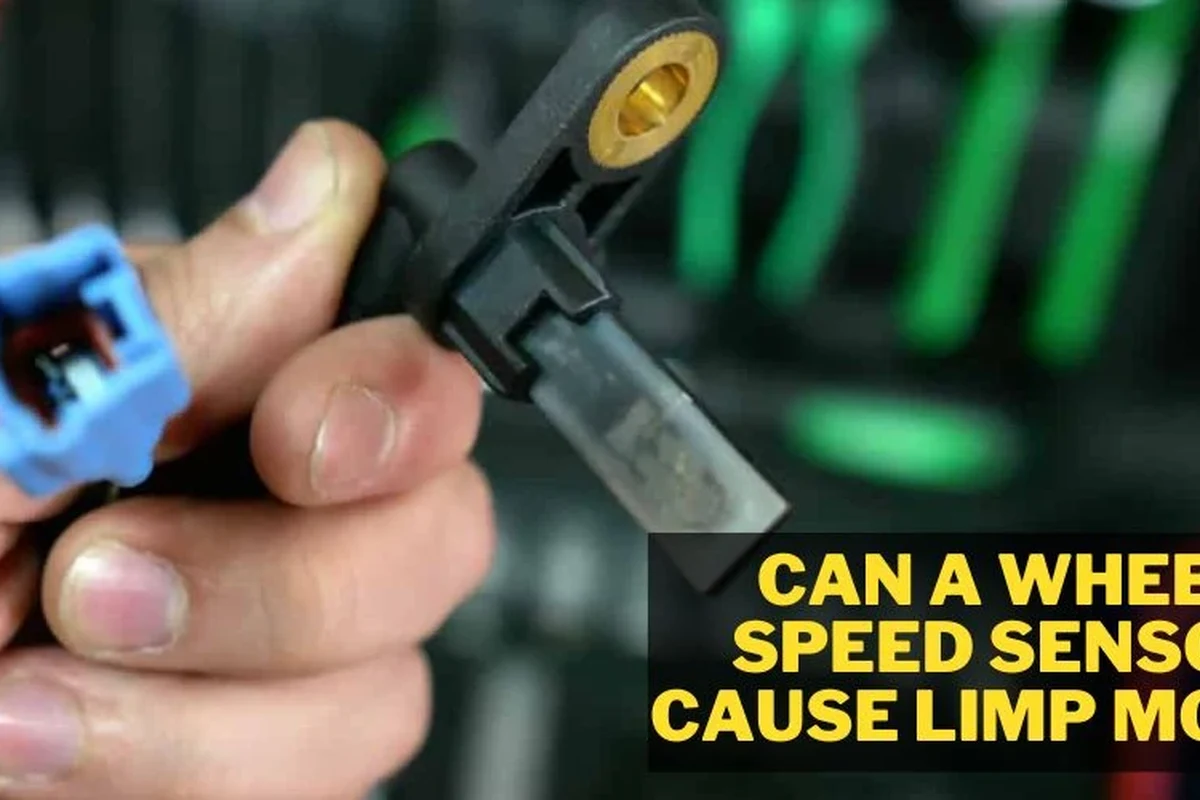
Yes, in some vehicles a faulty wheel speed sensor can contribute to limp mode if the control modules see implausible speed data, communication errors, or a fault that affects drivetrain safety logic. In other vehicles, the same sensor problem may only disable ABS or traction control without limiting engine power.
The key idea is that limp mode is a protective strategy, not a diagnosis. If the car feels sluggish, shifts oddly, or limits throttle response, the wheel speed sensor may be part of the problem, but it is important to confirm the actual fault before replacing parts.
How Wheel Speed Sensors Work in Modern Vehicles
Wheel speed sensors monitor how fast each wheel is turning and send that information to the vehicle’s control modules. Those modules use the data to manage braking, traction, stability, and, in some vehicles, shift behavior or torque reduction.
ABS, traction control, and stability control: the sensor’s role
Wheel speed sensors are central to ABS and traction control because the system needs to know when one wheel is slipping, locking, or rotating at a different speed from the others. Stability control also relies on this data to compare wheel behavior with steering input and vehicle motion.
If a sensor drops out intermittently, the system may lose confidence in the data and disable one or more safety features. That does not always cause limp mode, but it can create a chain reaction of warning lights and reduced vehicle performance.
How bad signals can affect drivetrain behavior
A sensor does not have to fail completely to cause trouble. Corrosion, wiring damage, a cracked tone ring, or excessive wheel bearing play can distort the signal and make the control module think the car is moving differently than it really is.
When that happens, the vehicle may enter a fail-safe strategy. Depending on the make and model, the computer may limit throttle, alter transmission shifts, or reduce engine output to keep the vehicle stable.
Some vehicles share wheel speed data across ABS, stability control, transmission control, and engine control modules, so one bad signal can create multiple warning messages.
When a Faulty Wheel Speed Sensor Can Trigger Limp Mode
Whether a wheel speed sensor can trigger limp mode depends on how the vehicle software is programmed. Some systems treat wheel speed data as essential for safe operation, while others use it mainly for braking and stability functions.
Common warning signs and dashboard symptoms
Typical symptoms include ABS, traction control, or stability control lights, a speedometer that behaves erratically on certain models, harsh or delayed shifting, and stored diagnostic trouble codes related to wheel speed signal loss. In some cases, the engine may feel normal at first and then suddenly lose power after the control unit detects repeated faults.
If limp mode is involved, you may also notice limited acceleration, reduced top speed, or transmission behavior that feels stuck in one gear or reluctant to upshift. These symptoms often appear alongside other warning lights rather than by themselves.
If braking, steering assist, or throttle response feels unpredictable, avoid extended driving and follow the vehicle’s owner’s manual. Limp mode can be frustrating, but it is designed to reduce risk when the system detects a serious fault.
Why some vehicles enter reduced-power mode while others do not
Manufacturers do not all use wheel speed data the same way. On some vehicles, a bad sensor only disables ABS functions; on others, the same fault can affect transmission logic, cruise control, hill-start assist, or electronic stability systems that the computer considers important enough to limit power.
Software version, drivetrain design, and module communication architecture all matter. That is why two cars with nearly identical symptoms can have very different causes and repair paths.
Other Problems That Can Look Like a Wheel Speed Sensor Failure
A wheel speed sensor code does not always mean the sensor itself is bad. The fault may be in the wiring, connector, hub assembly, or even another control system that is sharing misleading information.
Wiring damage, corrosion, and connector issues
Road salt, moisture, vibration, and heat can damage the harness or corrode the connector. A loose plug or broken wire may create an intermittent signal that appears and disappears while driving, which makes the problem harder to catch.
These issues are common because the sensor sits close to the wheel, where it is exposed to dirt, water, and movement. A visual check often reveals cracked insulation, green corrosion, bent pins, or a connector that does not seat firmly.
Damaged tone rings, hubs, and bearing play
Many systems read wheel speed from a tone ring or encoder built into the hub or bearing assembly. If the ring is damaged, contaminated, or misaligned, the sensor may report erratic wheel speed even when the sensor itself is fine.
Excessive wheel bearing play can also change the air gap or sensor alignment. That can create intermittent faults that look like an electrical problem but are actually mechanical.
Related faults in transmission, throttle, or engine systems
Limp mode is often triggered by transmission faults, throttle body issues, accelerator pedal sensor problems, low battery voltage, or engine management errors. In those cases, the wheel speed sensor may only be one code among several, or it may be a secondary symptom rather than the root cause.
If the vehicle has multiple unrelated codes, do not assume the wheel speed sensor is the main issue. The best repair starts with the full code set and a clear understanding of which module reported the fault.
- Check whether the code is current, pending, or historical before replacing parts.
- Look for patterns: one wheel code, multiple wheel codes, or codes across several modules.
- Inspect the hub and bearing area if the sensor is integrated into the assembly.
How to Diagnose the Problem Safely and Accurately
Good diagnosis starts with the codes, then moves to live data and a careful visual inspection. This approach helps you avoid replacing a sensor when the real issue is a damaged wire, loose connector, or failing hub.
Reading codes and live data with an OBD2 scanner
Use an OBD2 scanner that can read ABS and, if possible, transmission and body module data. A basic engine-only scanner may miss the fault category that matters most.
Look for wheel speed readings from all four wheels while the vehicle is stationary and during a slow drive in a safe area. A wheel that drops to zero, spikes, or differs sharply from the others can point to the affected corner.
Not every scanner displays the same data. Some tools show only engine codes, while better-equipped scanners can access ABS and live wheel speed readings, but availability varies by vehicle and software support.
Visual inspection steps for sensor, harness, and mounting points
Start with the wheel well, sensor mounting area, and harness routing. Check for rubbing, broken clips, mud buildup, corrosion, and signs that the cable has been stretched or pinched.
Then inspect the connector and the hub area for contamination or damage. If the vehicle uses an integrated encoder or tone ring, the condition of the hub assembly matters as much as the sensor itself.
Scan ABS, transmission, and engine modules so you can see whether the sensor fault is isolated or part of a larger problem.
Check the sensor, harness, connector, tone ring, and hub for visible damage or corrosion.
Look for one wheel that reads differently during a controlled low-speed drive.
When to stop driving and when to seek professional help
Stop driving if the vehicle has unstable braking, severe power loss, flashing warning lights, or shifting that makes the car unsafe in traffic. If limp mode is active and the issue returns quickly after clearing codes, the vehicle needs a proper diagnosis rather than repeated reset attempts.
Professional help is especially useful when the sensor is integrated into a hub, when multiple modules report faults, or when you do not have access to ABS-capable scan data. Those cases often require deeper testing than a simple parts swap.
Do not keep driving if the vehicle’s braking or acceleration feels unpredictable. A protective mode can hide a serious electrical or mechanical fault that needs immediate attention.
Repair Options, Replacement Criteria, and Value Considerations
Repair choices depend on whether the fault is the sensor, the wiring, or the hub assembly. The right fix is the one that matches the confirmed cause, not just the cheapest part that fits.
OEM vs aftermarket sensors: fit, durability, and compatibility
OEM parts are often the safest choice when the vehicle is sensitive to signal quality or when the sensor is integrated with a specific hub design. Aftermarket sensors can be a good value when the fit and signal behavior are verified for your exact model.
The downside is that compatibility can vary more than buyers expect. A sensor may physically install but still cause repeat codes if the connector, signal type, or calibration requirements do not match the vehicle.
Choose the exact-match part when the vehicle uses a model-specific sensor or integrated hub encoder, because signal compatibility matters as much as physical fit. If you go aftermarket, verify the application carefully and keep the old part until the repair is confirmed.
What to verify before buying: vehicle fitment, connector type, and calibration needs
Before purchasing, confirm the year, make, model, drivetrain, trim, and which wheel position the part fits. Also check connector shape, wire length, mounting style, and whether the vehicle requires calibration, relearn procedures, or a hub-and-sensor assembly instead of a standalone sensor.
- Confirm the exact wheel position and vehicle configuration
- Match the connector, mounting style, and signal type
- Check whether the hub, bearing, or encoder ring is part of the repair
- Review the manual for calibration or scan-tool procedures
Typical repair costs, labor trade-offs, and long-term value
Repair cost varies widely by vehicle because some sensors are simple bolt-in parts while others are built into hub assemblies or require significant labor. Labor can exceed the part price when the sensor is rusted in place or when multiple components must come off to reach it.
Long-term value usually improves when you fix the root cause once instead of replacing a sensor repeatedly. If the harness is damaged or the bearing is loose, replacing only the sensor may be false economy.
How to Prevent Repeat Failures and Keep the System Reliable
Wheel speed sensors usually fail because of exposure, wiring stress, corrosion, or mechanical wear around the hub. A little preventive care can reduce repeat problems and help you spot issues before they trigger limp mode again.
Cleaning, inspection intervals, and corrosion prevention
During routine brake or tire service, inspect the sensor area, harness clips, and connectors for moisture or corrosion. Keeping the wheel well clean helps, but avoid aggressive cleaning methods that could force water into connectors or damage wiring.
If the vehicle operates in snow, mud, or salted roads, corrosion prevention matters more. Using proper connector seals and replacing damaged clips or boots can make a noticeable difference in reliability.
Driving habits and conditions that increase sensor wear
Frequent pothole impacts, curb strikes, off-road use, and repeated exposure to standing water can stress the sensor and hub area. Heavy brake dust, road salt, and poor wheel bearing condition also increase the chance of signal problems.
Even normal driving can expose a weak sensor or loose harness, which is why intermittent faults often show up after vibration, rain, or temperature changes. If the problem comes and goes, that pattern is often a clue rather than a coincidence.
Final Recommendation: What to Do If You Suspect a Wheel Speed Sensor Is Causing Limp Mode
If you suspect a wheel speed sensor is causing limp mode, start with the codes, then verify live wheel speed data and inspect the wiring, connector, and hub area. Replace the sensor only after you confirm that the fault is not actually a damaged harness, tone ring, bearing issue, or another drivetrain problem.
If the vehicle is stuck in reduced-power mode, has unstable braking, or keeps returning to fault after clearing codes, get a professional diagnosis before driving much farther. That approach is safer, usually faster, and more cost-effective than guessing at parts.
Frequently Asked Questions
Common signs include ABS, traction control, or stability control lights, plus erratic shifting or reduced power on some vehicles. A speed reading that drops out or jumps around in live data is another strong clue.
Short trips may be possible, but it depends on how the vehicle behaves. If braking, steering, or throttle response feels unsafe, stop driving and follow the owner’s manual or get help.
Yes, that is strongly recommended. A basic engine-only scanner may miss the wheel speed code or the module that actually reported the fault.
Replace the part that matches the confirmed fault. If the sensor is integrated into the hub or the tone ring is damaged, the hub assembly may be the real fix.
Intermittent faults often point to wiring, corrosion, loose connectors, or bearing play. Heat, vibration, rain, and road salt can make the problem appear only under certain conditions.
Check the exact vehicle fitment, wheel position, connector style, and whether calibration or relearn steps are required. Confirm the details in the manual or parts catalog before ordering.