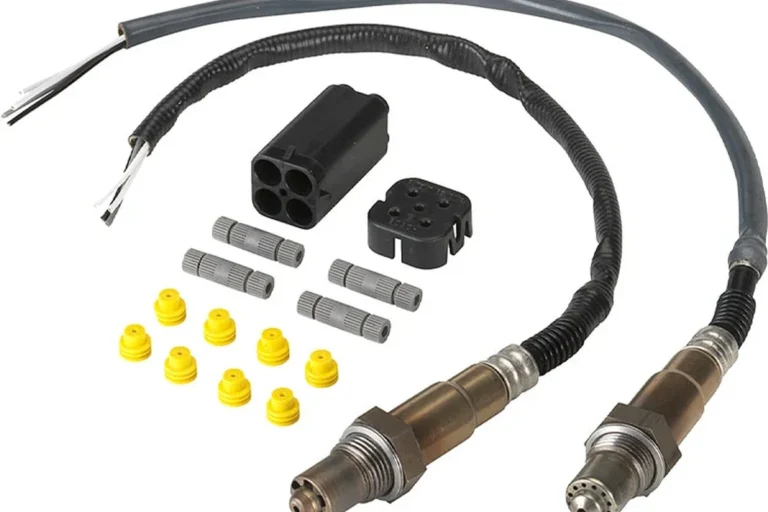
Can Nox Sensor Cause Bad Acceleration
Yes, a bad NOx sensor can cause poor acceleration by pushing the vehicle into reduced-power protection. But the same symptom is also common with DPF, EGR, turbo, boost leak, and wiring faults.
A bad NOx sensor can cause slow or uneven acceleration, but it is usually part of a larger emissions or engine-management problem rather than the only cause. If your vehicle suddenly feels sluggish, the fastest path is to check fault codes and live data before replacing parts.
- Yes, it can: A faulty NOx sensor may trigger limp mode or torque limits that feel like.
- Not the only cause: DPF, EGR, turbo, air leaks, and wiring problems can look very similar.
- Scan first: Trouble codes, freeze-frame data, and live readings are the best way to narrow it.
- Check fitment: Sensor location, part number, and vehicle engine code must match before replacement.
Can a NOx Sensor Cause Bad Acceleration? The Short Answer
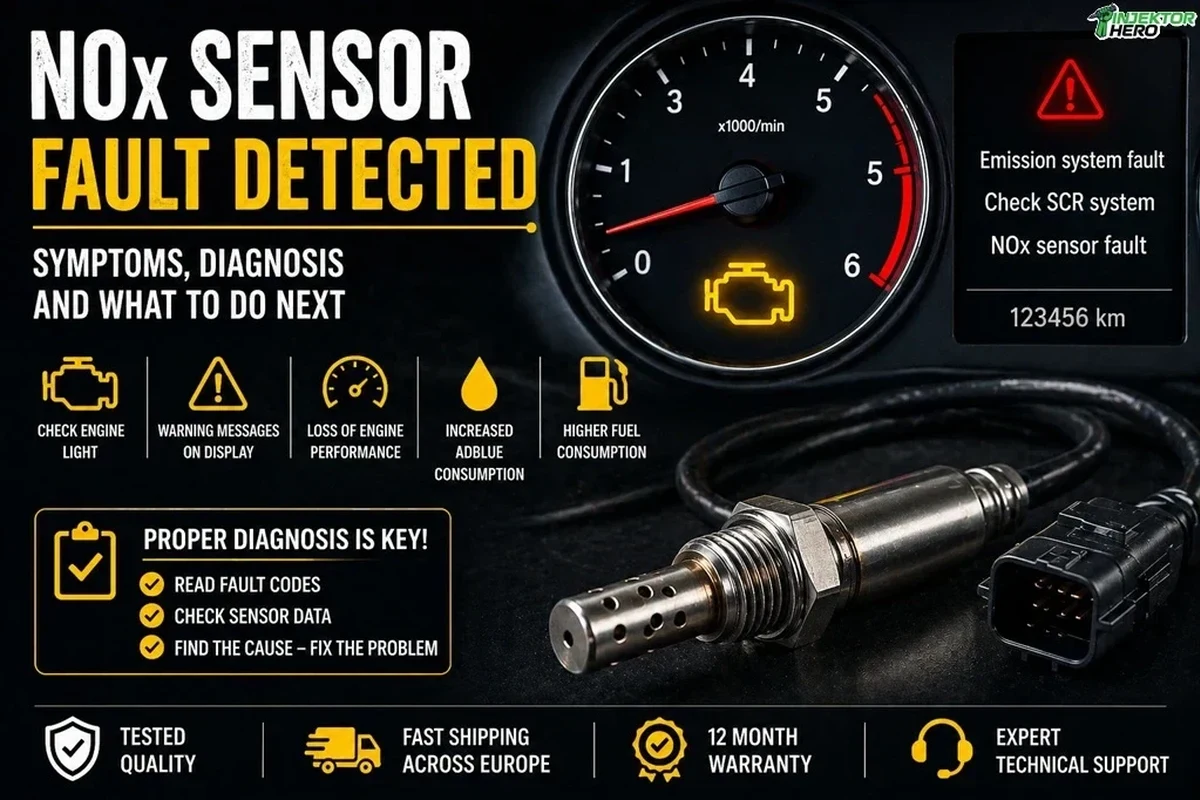
Yes, a faulty NOx sensor can contribute to bad acceleration, especially in diesel vehicles that rely on emissions data to manage fueling, exhaust treatment, and limp-mode protection. When the engine computer gets incorrect NOx readings, it may reduce power to protect the emissions system or keep the vehicle within emissions limits.
That said, weak acceleration is not unique to the NOx sensor. Turbo issues, air leaks, a clogged DPF, EGR faults, fuel delivery problems, and sensor wiring damage can create very similar symptoms.
What a NOx Sensor Does and How It Affects Engine Performance
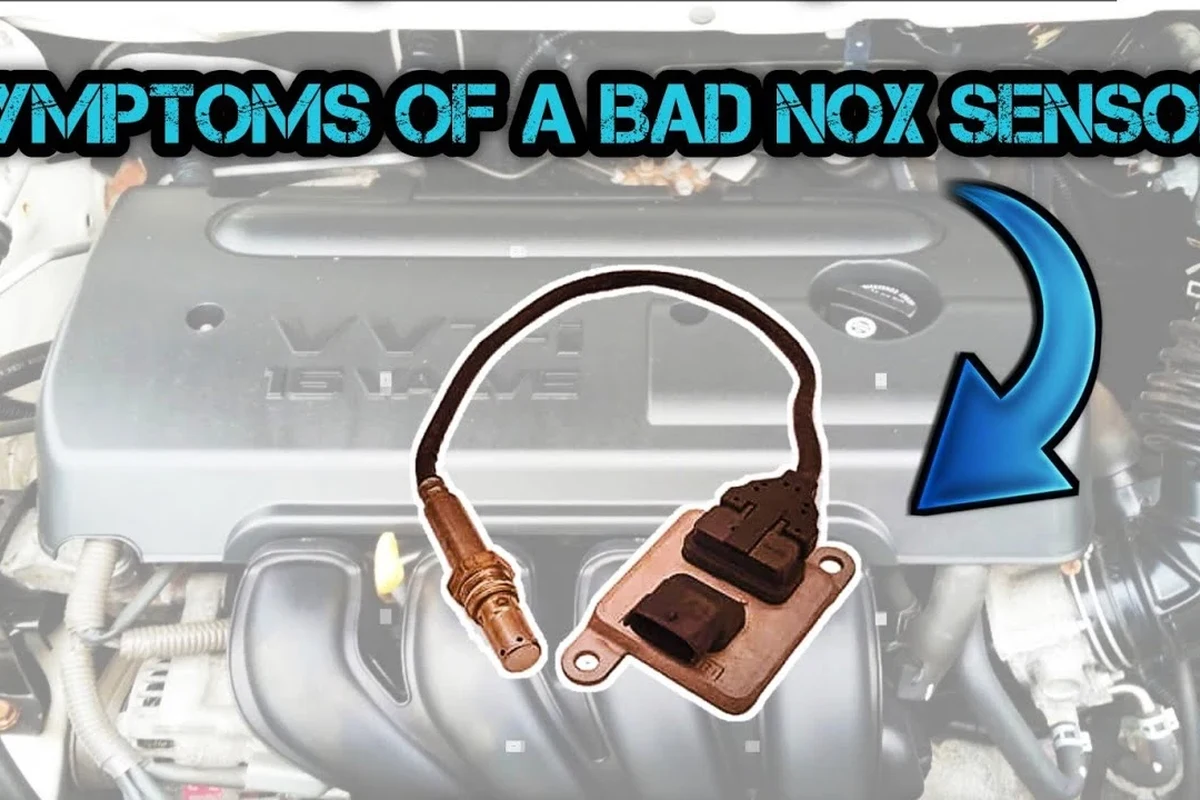
A NOx sensor measures nitrogen oxides in the exhaust stream. The engine control module uses that information to adjust how the engine runs and how the aftertreatment system behaves.
How the sensor reads exhaust emissions
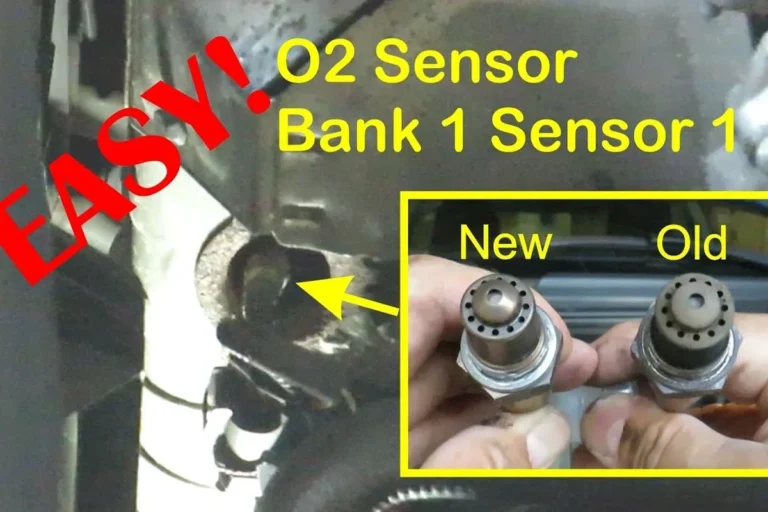
Most modern diesel systems use one or more NOx sensors placed in the exhaust path, often upstream and downstream of the SCR system. The sensor sends electrical signals to the engine computer, which compares exhaust readings to expected values and decides whether emissions control is working properly.
If the sensor is slow, contaminated, damaged, or sending implausible readings, the computer may no longer trust the data. In some vehicles, that can lead to conservative fueling, restricted torque, or warning messages that make the vehicle feel less responsive.
Why bad readings can affect throttle response and fuel delivery
The engine computer does not use NOx data in isolation. It blends that data with inputs from the MAF, MAP, boost, temperature, EGR, DPF, and fuel system sensors to decide how much power the engine should make.
When NOx readings look wrong, the system may reduce fueling, limit boost requests, or enter a protection strategy. The result can feel like delayed throttle response, weak pull at highway speeds, or hesitation when climbing hills.
Exact behavior varies by make, model, engine family, and software version. Some vehicles will show obvious limp mode, while others only feel slightly flat until the fault becomes more severe.
Common Signs Your NOx Sensor May Be Behind Slow Acceleration
The symptoms are often subtle at first. A driver may notice the vehicle feels normal around town but struggles under load or during sustained acceleration.
Loss of power under load
One of the most common complaints is that the vehicle accelerates poorly when merging, towing, climbing, or carrying passengers. The engine may rev, but the vehicle does not pull with its usual strength.
This can happen if the ECU limits torque because the emissions system is not reporting correctly. It can also happen if the sensor is only one piece of a broader exhaust or boost-control problem.
Limp mode, warning lights, and reduced top speed
Many drivers first notice a check engine light, glow plug light, or a message about emissions or reduced engine power. In more serious cases, the vehicle may enter limp mode and cap speed or throttle response.
If the NOx sensor circuit fails completely, the computer may log a hard fault and protect the engine by reducing performance. That does not prove the sensor is the only problem, but it does make it a strong suspect.
Poor fuel economy, rough running, or delayed boost
Some vehicles also show worse fuel economy, rough idle, or a feeling that the turbo takes longer to build pressure. Those symptoms can happen because the engine is running in a fallback strategy or because another system, such as EGR or boost control, is also malfunctioning.
- Notice when the power loss happens: idle, low speed, highway load, or only after warm-up.
- Check whether the issue comes and goes after clearing codes or restarting the vehicle.
- Write down any dashboard messages before they disappear.
When the Problem Is the NOx Sensor vs. Another Fault
Because emissions systems are interconnected, a bad NOx sensor can look like several other faults. The goal is not to guess from one symptom, but to compare the symptom pattern with scan data and the rest of the exhaust system.
Symptoms that overlap with clogged DPF, EGR issues, turbo faults, or air leaks
A clogged DPF can cause slow acceleration, high exhaust backpressure, and repeated regeneration problems. EGR faults can create rough running, smoke, and hesitation. Turbo control issues or boost leaks can cause weak power, especially at higher engine load.
That overlap is why a single “low power” complaint should never be blamed on the NOx sensor alone. A sensor fault may be real, but it may also be reacting to another problem upstream or downstream.
How to avoid misdiagnosis with scan tools and live data
A basic code reader may show the fault code, but live data is often more useful. Compare NOx readings, boost pressure, EGR command, DPF load, and fuel trims or equivalent diesel data to see whether the numbers make sense together.
If the sensor reading is implausible, flat-lined, or far outside the expected range while the rest of the system appears normal, the sensor becomes more likely. If multiple systems show abnormal values, the root cause may be elsewhere.
Do not ignore repeated limp-mode events or exhaust-system warnings. Continued driving with unresolved emissions faults can increase repair costs and may damage related components.
Key Diagnostic Checks to Confirm a Faulty NOx Sensor
A proper diagnosis starts with the code, but it should not end there. A few careful checks can help separate a failed sensor from wiring damage, exhaust leaks, or another emissions fault.
Reading trouble codes and freeze-frame data
Look for stored and pending codes related to NOx sensor performance, circuit faults, signal implausibility, heater issues, or catalyst efficiency. Freeze-frame data can show engine speed, load, temperature, and vehicle speed at the moment the fault was set.
That snapshot helps you understand whether the fault happened during cold start, highway cruising, towing, regeneration, or another specific condition. It is especially useful when the vehicle only misbehaves intermittently.
Inspecting wiring, connectors, heat damage, and contamination
NOx sensors live in a harsh environment. Heat, vibration, road debris, water intrusion, and corrosion can damage the sensor harness or connector even when the sensor itself is still functional.
Check for melted insulation, loose plugs, bent pins, exhaust soot contamination, and signs that the wiring has been stretched or rubbed through. A damaged connector can create the same symptoms as a failed sensor.
Checking sensor placement, exhaust leaks, and upstream/downstream values
Sensor placement matters because exhaust leaks can distort readings. If there is a leak before or near the sensor, the data may no longer represent true exhaust chemistry.
Compare upstream and downstream values if the vehicle uses both. If the readings do not change logically as the engine load changes, the sensor, wiring, or exhaust path may need further inspection.
- Confirm the exact sensor location and part number for your engine code
- Check for related faults in EGR, DPF, boost, and wiring before replacing the sensor
- Review the manufacturer repair procedure for relearn, adaptation, or reset steps
- Verify warranty coverage and return policy before purchasing a replacement
Repair, Replacement, and Safety Considerations
Some NOx sensor problems are repairable only by replacing the sensor or repairing the harness. Others are caused by contamination or a related exhaust fault that must be fixed first.
When cleaning is not enough and replacement makes more sense
Unlike some reusable parts, a NOx sensor is often not a good candidate for cleaning if it has failed electrically or internally drifted out of range. If the sensor is reporting implausible values or setting repeat circuit faults, replacement is usually more realistic than trying to restore it.
If contamination came from another problem such as coolant intrusion, oil burning, or excessive soot, replacing the sensor without fixing the root cause may only provide temporary relief.
Compatibility, OEM vs. aftermarket, and fitment considerations
Fitment can be tricky because the same vehicle may use different sensors depending on engine code, emissions package, or production date. Always verify the part number against the VIN, engine family, and official catalog when possible.
OEM and aftermarket options may both exist, but compatibility, connector shape, calibration, and software behavior should be checked carefully. If the vehicle is sensitive to sensor quality, the cheapest option is not always the best value.
Safe handling around hot exhaust components and sensor threads
Exhaust components can stay hot long after the engine is shut off. Sensor threads may also be seized, and forcing them can damage the bung or wiring.
Work only on a cool exhaust system, use the correct tools, and follow the service manual. If a sensor is seized, corroded, or close to fuel, wiring, or heat shields, stop and use the manufacturer’s repair procedure.
Cost, Value, and What Drivers Should Expect After Fixing It
The value of fixing a bad NOx sensor is usually highest when the vehicle is stuck in reduced-power mode or failing emissions readiness. In those cases, the repair can restore drivability and prevent larger downstream issues.
Typical repair value versus the risk of ignoring the issue
Ignoring a failing NOx sensor can mean more than just a warning light. Some vehicles will continue to limit power, run inefficiently, or repeatedly trigger regeneration and emissions faults, which can create extra wear and inconvenience.
Even if the vehicle still drives, the long-term cost of leaving the issue unresolved may be higher than diagnosing it early. That is especially true for work vehicles, fleets, and daily drivers that depend on reliable acceleration.
How much acceleration improvement is realistic after replacement
If the NOx sensor was truly the cause, the improvement can be noticeable: smoother throttle response, fewer power restrictions, and normal highway pull may return after the fault is cleared and any required relearn steps are completed.
If the vehicle still feels weak after replacement, that usually means another fault is present. A bad sensor can hide the real issue, but it is not always the root cause.
Maintenance habits that help prevent repeat NOx sensor issues
Keeping the engine in good tune helps protect emissions sensors. That means fixing exhaust leaks, addressing oil consumption, maintaining the EGR and DPF system, and using the correct service intervals.
It also helps to follow software update and service bulletin guidance from the manufacturer when available, since some drivability complaints are tied to calibration rather than hardware alone.
Final Verdict: Should You Suspect the NOx Sensor First?
A NOx sensor is a credible cause of bad acceleration, but it should be treated as one likely suspect among several emissions and boost-related faults. The best approach is to confirm the code, inspect the wiring and exhaust path, and compare live data before replacing parts.
Best next step for drivers, DIYers, and fleet owners
Start with a scan tool, the official service information, and a visual inspection. If the vehicle is in limp mode or the warning light returns quickly, get a proper diagnosis sooner rather than later.
When to repair immediately and when to keep troubleshooting
Repair immediately if the vehicle has repeated power restriction, obvious wiring damage, or a confirmed sensor fault with matching live data. Keep troubleshooting if the symptoms do not match the code, because the true problem may be DPF, EGR, turbo control, air leaks, or another exhaust-system issue.
Yes, a NOx sensor can cause bad acceleration, especially when it pushes the vehicle into reduced-power protection. But the smartest fix is a careful diagnosis first, because the same symptoms often come from related emissions or boost faults.
Frequently Asked Questions
Yes. A faulty NOx sensor can trigger reduced power, limp mode, or conservative fueling that feels like weak acceleration.
Common signs include a check engine light, reduced engine power, limp mode, poor fuel economy, and sluggish acceleration under load.
Yes. DPF, EGR, turbo, boost leak, and wiring problems can create very similar symptoms.
Read trouble codes, check freeze-frame data, inspect the wiring and connectors, and compare live data from related engine systems.
Usually not if the sensor has an internal electrical fault or drifted out of range. Replacement is often the more reliable fix.
It can, if the sensor was the actual cause and any required reset or relearn steps are completed. If power is still low, another fault is likely present.