Best Ocracoke Island Cameras for Stunning Views
The best ocracoke island cameras are weather-resistant outdoor models with wide-angle viewing and dependable app access. For most buyers, wired or hybrid power offers the best balance of image quality, reliability, and long-term ease.
If you’re looking for ocracoke island cameras, the best choice depends on what you want to see: live beach conditions, weather changes, or a scenic view you can monitor from home. For most buyers, the smartest setup is a weather-resistant outdoor camera with a wide view, stable connectivity, and an app that’s easy to check from anywhere.
- Choose by use case: Scenic viewing, weather monitoring, and property security need different camera features.
- Prioritize durability: Salt air, wind, and moisture make outdoor ratings and corrosion resistance essential.
- Check connectivity: Weak Wi‑Fi or missing app support can limit even a good camera.
- Match power to location: Wired models are most reliable, while battery and solar options are more flexible.
- Verify the details: Confirm specs, warranty terms, and subscription requirements before buying.
Best Ocracoke Island Cameras: What to Choose for the Clearest Coastal Views
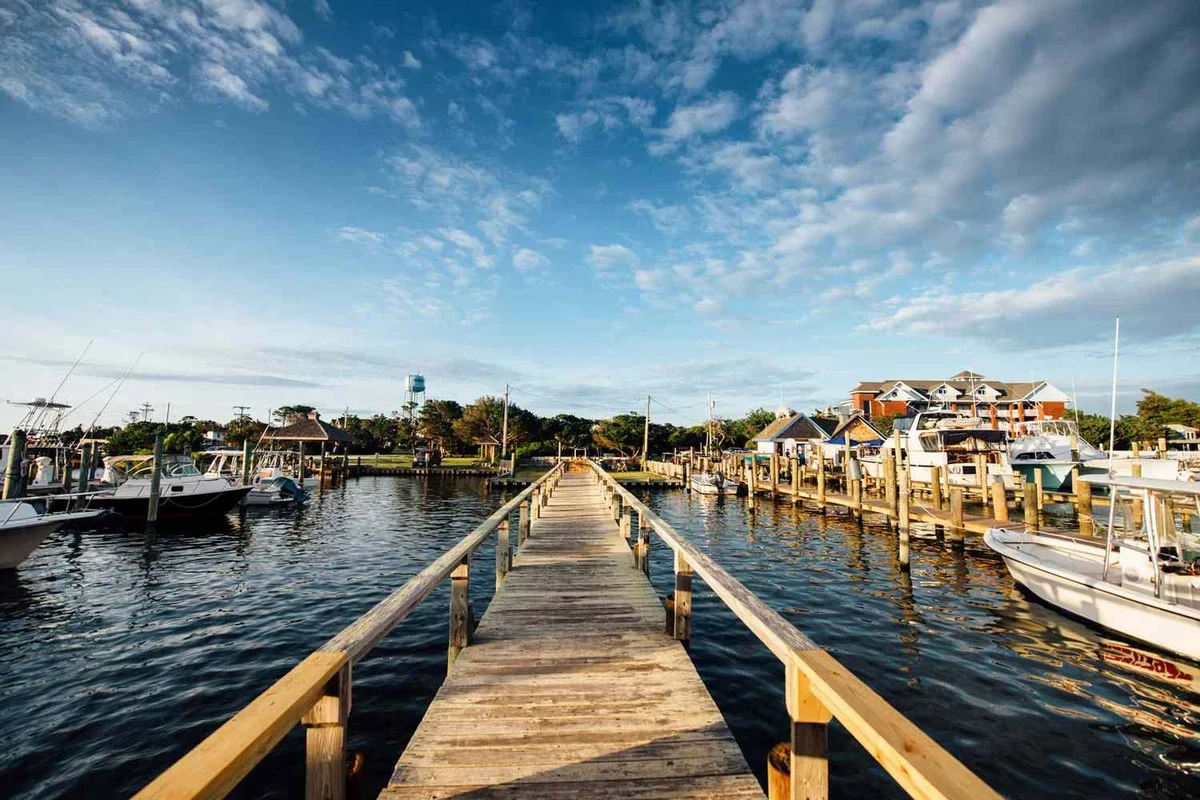
Ocracoke Island’s coastal environment creates a very specific camera challenge. Bright sun, glare off water, salt air, wind-driven rain, and shifting weather all affect image quality and hardware durability, so the “best” camera is usually the one that balances view quality with long-term reliability.
Quick answer: the best camera depends on whether you want live beach views, weather monitoring, or a scenic home display
If your main goal is public-facing beach viewing, prioritize a camera with a wide field of view, strong low-light performance, and dependable streaming. If you need weather monitoring or property oversight, focus more on weather resistance, motion alerts, and backup connectivity. For a simple scenic display, a plug-in smart camera with easy app access may be enough.
How this guide is different: informational buying guide for smart-home and outdoor viewing setups in 2026
This guide is built as an informational buying guide, not a hands-on review. Because model details, app features, and weather ratings vary widely, the safest approach is to compare camera categories, verify the manufacturer’s specifications, and match the system to your location and use case.
How Ocracoke Island Cameras Work and What They’re Used For
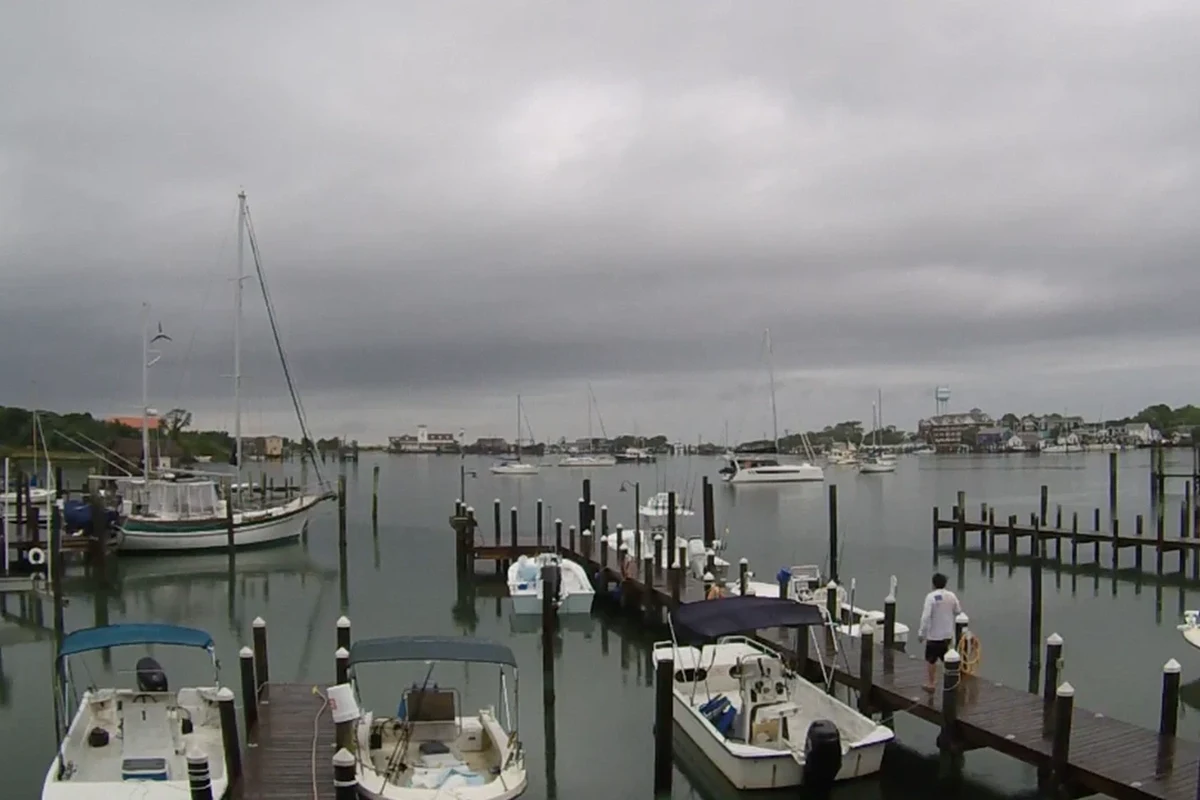
Most coastal camera setups combine a camera unit, a mount, a power source, and an app or web dashboard. Some are designed for live streaming, while others are better for occasional snapshots, motion alerts, or outdoor security monitoring.
Live streaming vs. still capture vs. weatherproof surveillance
Live-streaming cameras are ideal when you want continuous ocean or beach viewing for a website, community page, or remote check-in. Still-capture cameras are simpler and can work well for scenic updates, while weatherproof surveillance models are better when the priority is property monitoring rather than a pretty view.
Coastal glare can make a camera look “worse” than it really is; lens angle and exposure control often matter as much as resolution.
Typical setup: camera, mounting hardware, power source, connectivity, and viewing app
A typical setup includes the camera body, a bracket or pole mount, weather-rated cable routing, and either wired, battery, solar, or hybrid power. Most modern systems also rely on a companion app for live viewing, playback, motion alerts, and settings changes, though exact features vary by model and firmware.
Who these cameras fit best: homeowners, rental hosts, beach-watchers, and remote-view users
Homeowners often want a balance of security and scenery. Rental hosts usually care about outdoor common areas, weather visibility, and easy remote access, while beach-watchers and remote users may care most about a clean live feed and simple app access.
If you plan to share the feed publicly, check the camera’s privacy settings, any built-in masking tools, and whether the app supports limiting what the audience can see.
Key Specs That Matter Most for Coastal Camera Performance
For a beach location, the most important specs are not always the flashiest. Resolution helps, but durability, lens behavior in bright light, and reliable connectivity often decide whether a camera stays useful over time.
Resolution, field of view, low-light performance, and image stabilization
Higher resolution can improve detail, but only if the camera also has a useful field of view and decent image processing. A wide-angle lens is often better for ocean scenes, while low-light performance matters for dawn, dusk, and stormy conditions. Stabilization can help reduce motion blur, though wind and mounting rigidity also affect results.
Weather resistance, corrosion protection, and salt-air durability
Near the coast, weather resistance is only part of the story. Salt air can accelerate corrosion on screws, brackets, ports, and exposed metal parts, so look for corrosion-resistant materials and sealed designs whenever possible. Always verify the manufacturer’s outdoor rating and installation guidance before buying.
Outdoor electronics should only be installed with cables, adapters, and enclosures rated for the environment. If a cable, housing, or power adapter is damaged or overheating, stop using it and follow the manufacturer’s instructions.
Connectivity requirements: Wi‑Fi range, cellular backup, and app compatibility
Connectivity can make or break a coastal camera setup. Strong Wi‑Fi is ideal, but long distances, thick walls, and outdoor placement can weaken the signal, so some users may need a mesh network, extender, or a camera with cellular backup if the location supports it. Also confirm that the app works with your phone, operating system, and account setup preferences.
Dimensions, mounting footprint, and placement considerations for porches, dunes, and decks
Camera size matters when you’re mounting on a porch, deck, or pole. A larger housing may offer better weather sealing, but it can also be harder to place discreetly or securely. Before buying, check the mounting footprint, weight, and whether the camera can be angled to avoid direct glare, sand spray, and obstruction from railings or posts.
Best Use Cases for Ocracoke Island Cameras in Real Life
The right camera depends on the job you want it to do. A scenic live feed, a weather monitor, and a security camera can overlap, but they are not always optimized the same way.
Watching surf conditions, sunrise views, and storm movement
For surf and sunrise viewing, a camera with a broad, clean horizon line and good exposure handling is usually the most useful. If you want to track storm movement, prioritize stable streaming, good contrast, and a setup that can handle variable light without constant manual adjustment.
Monitoring vacation homes, rentals, and outdoor common areas
Property-focused users should look for motion alerts, reliable remote access, and outdoor-rated hardware. The goal is not just image quality; it’s also being able to check the property quickly, receive notifications when needed, and keep the system running with minimal maintenance.
Sharing scenic feeds for community pages, hospitality sites, or personal viewing
If the camera feed will be shared on a website or hospitality page, the app or platform integration matters almost as much as the camera itself. You’ll want a system that supports stable uptime, simple embedding or sharing, and enough image quality to look good on phones and desktops.
Value trade-offs: convenience, image quality, and ongoing subscription costs
Some cameras are easy to set up but rely on cloud storage or premium app features. Others may offer stronger local recording options but require more configuration. When comparing value, look beyond the sticker price and confirm whether storage, alerts, and advanced viewing features require a subscription.
Most buyers should choose a weather-resistant smart outdoor camera with wide-angle viewing, dependable app access, and flexible power options. That combination gives the best balance of scenic visibility, daily convenience, and long-term practicality, even though premium features may cost more or vary by model.
What to Look for Before Buying: Setup, App Requirements, and Connectivity
Before you buy, think through the full setup, not just the camera body. Coastal installations often fail because of weak mounting, poor power planning, or app limitations rather than the camera sensor itself.
Installation difficulty, mounting options, and required tools
Some cameras mount with basic screws, while others need a pole, wall bracket, or specialized outdoor hardware. Check whether the package includes the mount and whether you’ll need a drill, ladder, weatherproof junction box, or extra fasteners to install it safely.
App support, account creation, cloud storage, and motion-alert features
Many smart cameras require account creation and app setup before they can be used fully. Verify whether the app supports live view, event history, motion alerts, and multi-user access, and confirm whether cloud storage is optional or required for key features.
Power options: wired, solar, battery, or hybrid and the practical limits of each
Wired cameras are usually best for consistent operation, but they need a safe outdoor electrical path. Battery-powered models are easier to place but require periodic charging, while solar can reduce maintenance if the site gets enough sun. Hybrid systems can be flexible, but the real-world performance depends on weather, placement, and usage patterns.
Safe use guidance for powered models: rated wattage, cable quality, heat management, and inspection intervals
Always use the manufacturer’s recommended power adapter and cable quality, and confirm the rated wattage or input requirements before connecting anything. Keep cables protected from moisture, heat, and physical wear, and inspect the setup regularly for loose connections, fraying, or corrosion. If a battery swells, a charger gets unusually hot, or a cable is damaged, stop using it and replace the component according to the manufacturer’s guidance.
- Check model compatibility, app requirements, and outdoor rating
- Confirm mounting method, cable length, and power source
- Review cloud storage, motion alerts, and privacy settings
- Verify warranty terms and water-damage exclusions
Comparison Criteria: Which Camera Type Fits Which User?
Instead of chasing a single “best” camera, compare camera types by reliability, installation effort, and how much maintenance you’re willing to handle. The right choice depends on whether you value convenience, remote placement, or all-day consistency most.
Best for easy viewing: plug-in smart cameras
Plug-in smart cameras are usually the simplest for homeowners who want a stable feed and minimal battery management. They’re a strong fit when you have a protected outlet nearby and want quick access through an app.
Best for remote locations: solar or battery-powered cameras
Solar or battery-powered cameras work well where wiring is difficult or undesirable. They offer placement flexibility, but users should expect more attention to charging, sunlight exposure, and power-saving settings.
Best for all-day reliability: hardwired outdoor cameras
Hardwired cameras are often the most dependable for continuous monitoring and live viewing. They usually require more careful installation, but they avoid the routine recharging issues that battery-only units can create.
Best for budget shoppers vs. premium image seekers
Budget shoppers should focus on basic outdoor durability, acceptable resolution, and a simple app rather than premium extras. Image seekers may prefer stronger sensors, better night performance, and more advanced exposure control, but those upgrades only matter if the rest of the setup is stable.
Transparent limitations: evidence gaps, weather variability, and performance differences by location
Performance can vary a lot by exact mounting height, nearby buildings, salt exposure, router strength, and firmware updates. Because those variables differ from one property to another, the manufacturer’s specifications and installation guidance are more reliable than any generic promise of “best coastal performance.”
| Option | Best For | Key Consideration |
|---|---|---|
| Plug-in smart camera | Easy scenic viewing | Needs nearby power and protected placement |
| Battery or solar camera | Remote or flexible installs | Requires ongoing power management |
| Hardwired outdoor camera | Reliable all-day monitoring | More complex installation |
Common Mistakes to Avoid When Choosing or Installing Ocracoke Island Cameras
Many coastal camera problems come from installation choices, not the camera itself. Avoiding a few common mistakes can save time, money, and frustration later.
Ignoring salt-air corrosion and underestimating weather exposure
Salt air can wear down exposed metal and connectors faster than many buyers expect. Even a camera with a good outdoor rating may need extra care if it’s installed in a highly exposed spot.
Choosing the wrong mounting height or field of view
Mounting too low can leave the lens blocked by railings, vegetation, or passing people. Mounting too high can reduce detail and make the view feel disconnected, so test the intended sightline before committing to a permanent position.
Overlooking bandwidth, storage limits, and app subscription requirements
High-resolution video can consume more bandwidth and storage than expected, especially for live streaming or frequent motion events. Always confirm whether you need local storage, cloud storage, or a paid plan for the features you want.
Using undersized cables, poor-quality adapters, or unsafe outdoor power routing
Outdoor camera power should be handled carefully. Use only rated, compatible cables and adapters, route them away from water and foot traffic, and inspect them periodically for wear or heat damage.
Stop using damaged electronics, swollen batteries, frayed cables, overheating chargers, or unstable mounts and follow the manufacturer’s guidance before reinstalling anything.
Care, Maintenance, and Long-Term Reliability in Coastal Conditions
Coastal cameras last longer when you treat them like outdoor equipment, not indoor electronics placed outside. Routine inspection is especially important where wind, humidity, and salt exposure are constant.
Cleaning lenses, checking seals, and removing salt buildup safely
Use gentle cleaning methods recommended by the manufacturer. Avoid harsh chemicals that could cloud the lens or damage seals, and check for salt buildup around seams, screws, and cable entry points.
Storage and seasonal care for removable or battery-powered units
If your camera is portable or battery-powered, store it in a dry, temperature-appropriate location when not in use. Before reinstalling it, check the battery condition, seals, and charging accessories.
Replacement guidance for worn mounts, degraded batteries, cracked housings, and frayed cables
Replace worn hardware before it fails in bad weather. A cracked housing, loose mount, declining battery, or frayed cable can cause performance issues and may create safety risks if left in service.
Warranty details to verify before purchase: coverage length, water-damage exclusions, and service process
Warranty terms vary widely, especially for outdoor electronics. Confirm the coverage length, what counts as water damage, whether corrosion is excluded, and how the service process works if the camera needs repair or replacement.
Final Recommendation: The Best Ocracoke Island Camera Setup for Most Buyers
For most people, the best setup is a weather-resistant outdoor smart camera with a wide field of view, dependable app support, and either wired power or a hybrid power option. That combination usually gives the clearest coastal view while reducing the maintenance burden that battery-only systems can create.
Best overall choice by use case, budget, and installation level
If you want the easiest path, choose a plug-in smart camera near protected power. If your location is remote or hard to wire, a solar or battery model may be more practical. If you want the most dependable long-term monitoring, a hardwired outdoor camera is usually the strongest option.
When to choose a premium model, and when a simpler camera is enough
Choose a premium model when you need better low-light performance, stronger weather protection, or more advanced viewing and alert features. A simpler camera is enough when your main goal is occasional scenic viewing and you have easy access to power and Wi‑Fi.
Bottom-line verdict: the smartest balance of view quality, durability, and long-term value
The smartest Ocracoke Island camera choice is the one that matches your site conditions first and your feature wish list second. Verify the outdoor rating, app compatibility, power requirements, and warranty details before buying, because those factors matter more in coastal use than marketing claims alone.
Frequently Asked Questions
A weather-resistant outdoor smart camera with a wide field of view is usually the best starting point. Choose live-streaming, still-capture, or security features based on whether you want scenic viewing, weather monitoring, or property oversight.
You should look for outdoor-rated hardware and corrosion-resistant materials because salt air can wear down exposed parts faster. Always verify the manufacturer’s outdoor rating and installation guidance before buying.
Wired cameras are usually best for reliability, while battery and solar models are better for flexible placement. The right choice depends on power access, sunlight, and how much maintenance you want to handle.
Look for live view, motion alerts, playback, and easy remote access. Also confirm account requirements, cloud storage rules, and compatibility with your phone before you buy.
Mount the camera in a sheltered spot when possible, use rated cables and adapters, and inspect seals and connectors regularly. Cleaning salt buildup and checking the mount after storms can help maintain performance.
Verify the outdoor rating, mounting method, power requirements, app compatibility, storage options, and warranty terms. If any specification varies by model or region, confirm it on the manufacturer’s current product page or manual.