Mevo Plus Radar Camera Not Working on PC Windows 11 Fix
Most Windows 11 Mevo Plus connection problems come from USB, permissions, or software mismatch issues rather than a dead camera. Start with a direct cable connection, then check app updates, firmware, and Device Manager before replacing anything.
If your mevo plus radar camera not working on pc windows 11, the most common causes are a bad USB connection, blocked camera permissions, outdated firmware or app software, or a Windows privacy setting that prevents the device from being recognized. In most cases, the fix is to verify compatibility, reconnect with a known-good cable, and check Device Manager and camera permissions before assuming the camera is defective.
- Direct connection: Use a known-good data cable and a rear USB port before testing hubs or.
- Permissions matter: Windows 11 camera privacy settings can block access even when the device is connected.
- Software sync: Keep the app and firmware current to avoid recognition problems.
- Device Manager check: Look for warnings, unknown devices, or missing camera entries.
- Replacement threshold: If it fails across multiple ports and cables, a simpler webcam may be more.
Mevo Plus Radar Camera Not Working on PC Windows 11: Quick Fix Overview
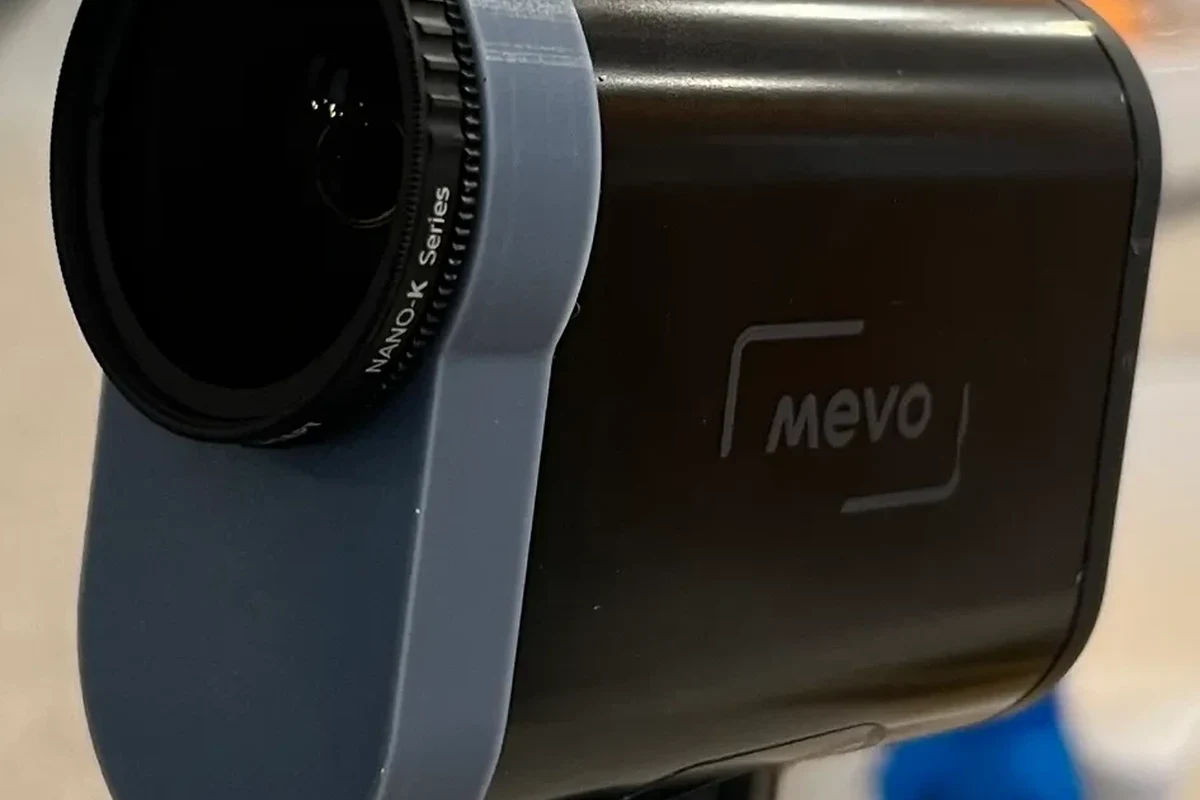
Start with the simplest checks: unplug the camera, restart the PC, reconnect it directly to a USB port, and confirm that Windows 11 can see it in Device Manager. If the camera still does not appear, move to app permissions, driver updates, and a different cable or port before testing more advanced settings.
Why the problem happens on Windows 11
Windows 11 can be stricter than older versions about privacy permissions, device enumeration, and driver handling. That means a camera may power on but still fail to show up in an app if Windows blocks access, the cable only supports charging, or the software expects a specific connection mode.
Stop using any cable, adapter, or power accessory that feels hot, looks damaged, or disconnects repeatedly. For electronics, a stable connection is safer than forcing a port or using a questionable hub.
Fastest fixes to try first before deeper troubleshooting
The fastest path is to use a direct USB connection, close other camera apps, and confirm the Mevo software has permission to access the camera and microphone. Also check whether Windows Security or privacy settings are blocking the device, especially after a major system update.
If the camera works on one port but not another, the issue is often the port, cable, or hub rather than the camera itself. Direct motherboard ports are usually more reliable than front-panel ports or low-cost adapters.
How the Mevo Plus Radar Camera Works on a Windows 11 PC
Before troubleshooting, it helps to understand how this type of camera is supposed to behave on a PC. Unlike a basic webcam that Windows often recognizes immediately, a radar-style camera or smart camera system may depend on its own app, firmware, and connection mode to expose the video feed correctly.
Connection type, app requirements, and device recognition basics
Many smart cameras do not behave like plug-and-play USB webcams in every setup. They may need the manufacturer’s desktop app, a specific USB mode, or a companion connection path before Windows 11 can treat them as a usable camera source.
If the device is not showing up, the problem may be in the handoff between hardware, firmware, and software rather than the lens or sensor itself. That is why checking the official manual and current app requirements matters more than guessing at Windows settings.
Exact behavior can vary by model revision, firmware version, and app version. If your Mevo Plus documentation lists a required desktop utility or special connection mode, follow that first.
How radar-style camera detection differs from standard USB webcams
Standard webcams usually appear as a simple video input. Radar-style or smart tracking cameras may also rely on motion detection, scene recognition, or software-controlled switching, which can add extra points of failure on a PC.
That means a camera can be physically connected yet still fail to initialize in the app if the software cannot finish its setup handshake. In practice, this makes firmware and privacy permissions just as important as the cable.
Compatibility Check: What Your PC, Ports, and Software Need
Compatibility issues are a frequent reason the mevo plus radar camera not working on pc windows 11 problem keeps coming back after basic restarts. A camera can be fully functional and still fail if the operating system, ports, or app environment are not aligned.
- Check compatibility, model number, app requirements, dimensions, ports, wattage, and intended use
- Confirm safety guidance, warranty, return policy, privacy settings, and update support
Windows 11 version, drivers, permissions, and camera privacy settings
Confirm that your Windows 11 installation is current enough for the camera’s software requirements, but avoid assuming every update helps. Some updates improve device support, while others temporarily create conflicts until drivers or the app are refreshed.
Open Windows privacy settings and make sure camera access is enabled for the system and for desktop apps. Also verify that security tools, parental controls, or work-managed policies are not blocking the device.
USB cable quality, power delivery, and port limitations to verify
USB problems are common because not every cable that fits a port actually carries data well. A charge-only cable, a worn connector, or a hub with limited power delivery can make a camera seem dead even when it is receiving some power.
Try a direct connection to a rear USB port on the PC if possible, and avoid unpowered hubs until the camera is recognized. If the device needs more power than the port can provide, the connection may fail during startup or drop out during use.
Do not keep reconnecting a cable that bends sharply, sparks, smells warm, or feels loose in the port. Replace damaged cables and stop using any adapter that causes intermittent disconnects.
System specs and network conditions that can affect performance
Even when the camera is recognized, weak system resources can cause lag, delayed startup, or dropped video. Background apps, low memory, and heavy CPU use can interfere with smart camera software more than with a simple webcam.
Network quality matters too if the camera app depends on syncing, updates, or remote features. A congested Wi-Fi network, unstable router, or poor signal can make the device appear unreliable when the real issue is the connection path.
Step-by-Step Troubleshooting Guide for the Mevo Plus on Windows 11
Work through the steps in order so you do not miss a simple fix. The goal is to isolate whether the issue is power, data transfer, software permissions, or a firmware mismatch.
Shut down the camera app, unplug the device, restart the PC, then reconnect the camera directly to a known-good USB port. If the app offers a pairing or device-add step, remove the old entry and set it up again.
Install the latest official Mevo app or desktop software, then check for firmware updates through the manufacturer’s instructions. If the app seems corrupted, uninstall and reinstall it before testing again.
Open Windows camera privacy settings, allow desktop apps, and review any security prompts that may have been denied earlier. If the device is blocked by workplace security software, you may need administrator help.
Try another data-capable cable, another USB port, and a different app that can detect cameras. If the camera works in one app but not another, the issue is likely software-specific.
Restart, reconnect, and re-pair the camera the right way
Do not just unplug and plug it back in quickly. Give Windows a full restart, close any video apps that may be holding the device, and reconnect only after the system finishes loading.
If the camera has a pairing or setup workflow, clear the old connection record and start fresh. Stale device profiles can keep Windows or the app from recognizing the current session correctly.
Update or reinstall drivers, firmware, and the Mevo app
Use official software sources only. Camera drivers, firmware, and companion apps often need to be in sync, and a mismatch can cause the camera to power on without delivering video to the PC.
If the app has not been updated in a while, reinstalling can fix missing components, damaged settings, or permission prompts that were skipped during the first setup.
Check Device Manager, camera permissions, and Windows security blocks
Open Device Manager and look for the camera under imaging devices, cameras, USB devices, or unknown devices. A warning icon, hidden entry, or repeated reconnect sound can point to a driver or cable issue rather than a software bug.
Then check Windows camera access settings and any antivirus or endpoint protection tools. If privacy access is off, the camera may appear connected but remain unusable in the app.
Test alternate USB ports, cables, and recording software
Use a different USB cable that is known to transfer data, not just power. If possible, test on another PC or with another camera app to determine whether the issue follows the device or stays with the original computer.
If you need help choosing the right accessory path for other gear too, see our guide on whether laptop chargers can go on planes for a quick example of why cable and power rules matter. For other home tech troubleshooting, our article on no lights on a Shark robot vacuum shows how simple power checks often solve bigger-looking problems.
Common Setup Mistakes That Make the Camera Fail on PC
Many “camera not working” reports come from setup mistakes rather than hardware failure. The good news is that these issues are often reversible once you identify the weak link.
Using low-quality cables, hubs, or unsupported adapters
A cable that charges a phone may not reliably pass video data for a camera. Cheap hubs and adapters can also introduce unstable power or weak signal integrity, which is why direct connection is the better first test.
Mixing outdated firmware with current Windows 11 builds
Old firmware can work poorly with a newer operating system, especially after a Windows update changes how the PC handles device permissions or USB communication. Keeping firmware current reduces the chance of odd recognition problems.
Overlooking app permissions, background conflicts, and privacy controls
Another common mistake is leaving a conferencing app, recording tool, or security suite open in the background. If another program already grabbed the camera, the Mevo software may show an error or fail to detect the device at all.
Windows often treats camera access as a privacy-controlled resource, not just a hardware connection. That is why a device can be visible in the system and still be blocked inside an app.
Who the Mevo Plus Fits Best in a Smart Home or Content Setup
In a smart home or home office, this type of camera makes the most sense for people who want flexible video capture without building a full studio. It can be a good fit for livestreaming, remote presentations, casual content creation, and occasional event coverage.
Ideal users: livestreamers, home office presenters, and casual creators
If you want a camera that can support changing scenes, simple tracking, or app-based control, the Mevo approach can be appealing. It is especially useful when you need a more polished look than a built-in laptop webcam can offer.
When a different webcam or conference camera is the better fit
If you want the simplest possible plug-and-play experience on Windows 11, a standard USB webcam may be easier. Conference cameras and basic webcams usually require less software management and fewer compatibility checks.
For readers comparing other everyday gear, our guide to wireless charging support on iPhone 11 shows how compatibility questions can determine whether a feature works at all. The same logic applies here: the right device is the one that matches your setup with the fewest extra steps.
Key Decision Criteria: Performance, Value, and Practical Trade-Offs
When deciding whether to keep troubleshooting or move on, focus on the factors that affect real use: recognition reliability, setup effort, and how much time you are willing to spend maintaining the system. A camera that is slightly more advanced is not always the better choice if it keeps failing to connect.
Image quality, tracking reliability, latency, and ease of setup
For creators, image quality matters only if the camera stays connected consistently. Tracking or radar-style features are useful, but only when the software responds quickly and the camera is recognized without repeated resets.
- Can offer more flexible creator features than a basic webcam
- May suit presentations, streaming, and smart home content setups
- Useful when paired with the right software and permissions
- Can be more sensitive to cable, firmware, and app issues
- May require more setup than a standard conference camera
- Compatibility can vary by PC, Windows build, and software version
Portability, storage, noise, and long-session reliability
Consider where the camera will live most of the time. If you move it between rooms or store it after each use, cable durability and easy re-connection become more important than small feature differences.
For long sessions, stable power and heat management matter. A device that runs reliably for short clips but becomes inconsistent during longer streams may not be the best value for regular use.
Warranty details, support options, and what buyers should verify before purchase
Before buying or replacing anything, confirm the current warranty terms, support channels, and return policy with the seller or manufacturer. Also verify whether firmware updates are still being provided for your exact model, since support availability can change over time.
Users who want a feature-rich camera for streaming or presentation work and are comfortable checking compatibility, software updates, and USB setup carefully. If you want the least troubleshooting, a simpler webcam may be the better choice.
Safe Use, Care, and Long-Term Maintenance Tips
Good care can prevent future recognition problems and extend the useful life of the camera setup. Most long-term issues come from cable wear, dirty connectors, software drift, or storing the device in a way that stresses ports and hinges.
Heat management, inspection of cables and connectors, and replacement guidance
Keep the camera in a ventilated area during long sessions and avoid stacking it near warm equipment. Inspect cables regularly for bent tips, frayed jackets, and loose connectors, and replace them before they start causing intermittent failures.
Cleaning, storage, and keeping firmware and software current
Use only the cleaning methods recommended by the manufacturer for the lens and body. Store the camera with its cable loosely coiled, not sharply bent, and check for software updates periodically so Windows 11 changes do not leave the system behind.
- Most Windows 11 camera failures come from cable, permission, or software mismatch issues.
- Direct USB connections and updated firmware/app software solve many recognition problems.
- If the camera still fails after port and permission checks, a simpler webcam may be the more practical choice.
Final Verdict: Should You Keep Troubleshooting or Replace the Setup?
If the camera is intermittently detected, works on another port, or starts after a clean reinstall, the issue is probably fixable with software or cable changes. In that case, it is worth continuing with official updates, permission checks, and a better data cable before replacing the hardware.
When the issue is likely fixable with software or cable changes
Keep troubleshooting if the device powers on, shows up sometimes in Windows, or works in one app but not another. Those patterns usually point to a connectivity or configuration problem rather than a dead camera.
When replacement or a different camera is the more cost-effective choice
If the camera never appears in Device Manager, fails on multiple known-good cables and ports, and remains unusable after firmware and app updates, replacement may be the smarter option. For many Windows 11 users, a more straightforward webcam or conference camera will save time if they value reliability over advanced features.
Frequently Asked Questions
It is often caused by a bad cable, blocked camera permissions, or outdated app and firmware software. Windows 11 privacy settings can also prevent the camera from being recognized.
Restart the PC, reconnect the camera directly to a USB port, and close other camera apps. Then check Device Manager and camera privacy settings.
Many smart cameras need the manufacturer’s app or a specific setup process to work correctly. Check the official manual for the exact software and connection mode your model requires.
Yes, especially if the hub is unpowered, low quality, or only partly supports data transfer. A direct connection to a PC USB port is usually the best test.
Replace the cable if it is frayed, loose, hot, or only works when bent a certain way. Stop using any accessory that causes unstable connections or visible damage.
If you want the easiest plug-and-play setup, a standard webcam may be simpler. Choose the Mevo Plus only if you need its smarter features and are comfortable managing app and firmware updates.