Spartan Sewer Camera Review for Easy Pipe Inspection
A Spartan sewer camera can be a smart buy if you need reliable pipe inspection for recurring clogs, hidden damage, or property documentation. The exact model matters a lot, so verify cable length, image quality, power, and warranty details before you choose one.
If you need a sewer camera to diagnose clogs, root intrusion, cracked pipe sections, or hidden drainage issues, a Spartan sewer camera can be a strong option to evaluate. The right model can save time by showing what is actually happening inside a line instead of relying on guesswork, but the best choice depends on cable length, image quality, and how you plan to use it.
- Best use: Recurring drain problems, property inspections, and documented pipe checks.
- Most important spec: Cable length and stiffness must match your pipe layout.
- Watch for limits: Dirty lines, tight bends, and weak lighting can reduce usefulness.
- Before buying: Confirm recording, waterproofing, power method, and service support.
Spartan Sewer Camera Review: Is It Worth It for Easy Pipe Inspection?
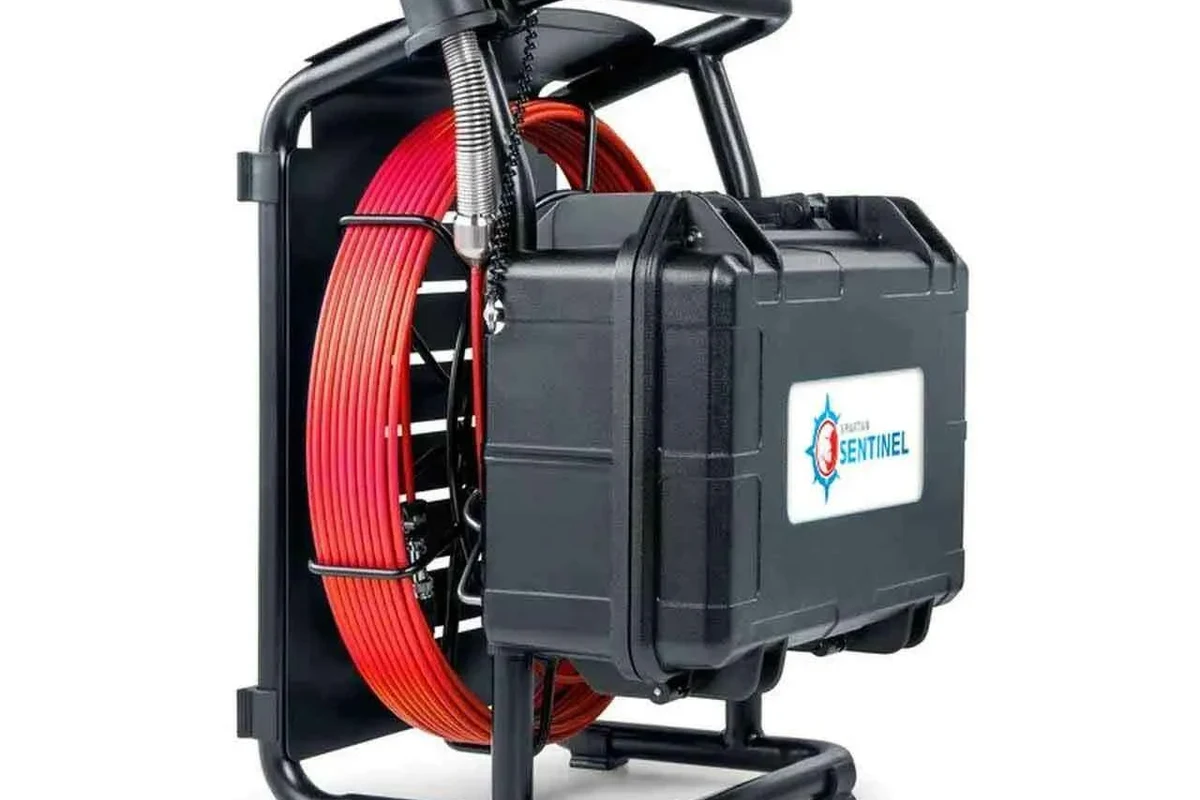
Spartan sewer cameras are generally aimed at users who want a more serious inspection tool than a basic drain snake camera, but without immediately stepping into full-size municipal equipment. For homeowners, property managers, and service pros, the value usually comes down to whether the camera can reach the problem area cleanly, transmit a usable image, and survive repeated use in wet, dirty lines.
Quick verdict on who should consider it in 2026
Consider a Spartan sewer camera if you regularly deal with recurring clogs, older plumbing, or properties where documentation matters. It is also worth looking at if you want a camera system that may be more suitable for deeper or more demanding inspections than entry-level consumer units.
Skip it if you only need occasional visual checks for short household drains, or if you are not ready to verify model-specific details like cable length, monitor size, recording support, and compatibility with your pipe diameters.
What this review can and cannot verify without hands-on testing
This article can help you evaluate the product category, the features that matter most, and the questions to ask before buying. It cannot confirm first-hand performance, durability, or real-world image quality for a specific Spartan sewer camera model without verified testing evidence.
- Check the exact model number, cable length, and pipe diameter compatibility
- Confirm recording support, power method, waterproof rating, warranty, and service options
- Review the official manual, app listing if applicable, and current manufacturer specs
How a Spartan Sewer Camera Works for Drain and Pipe Inspection
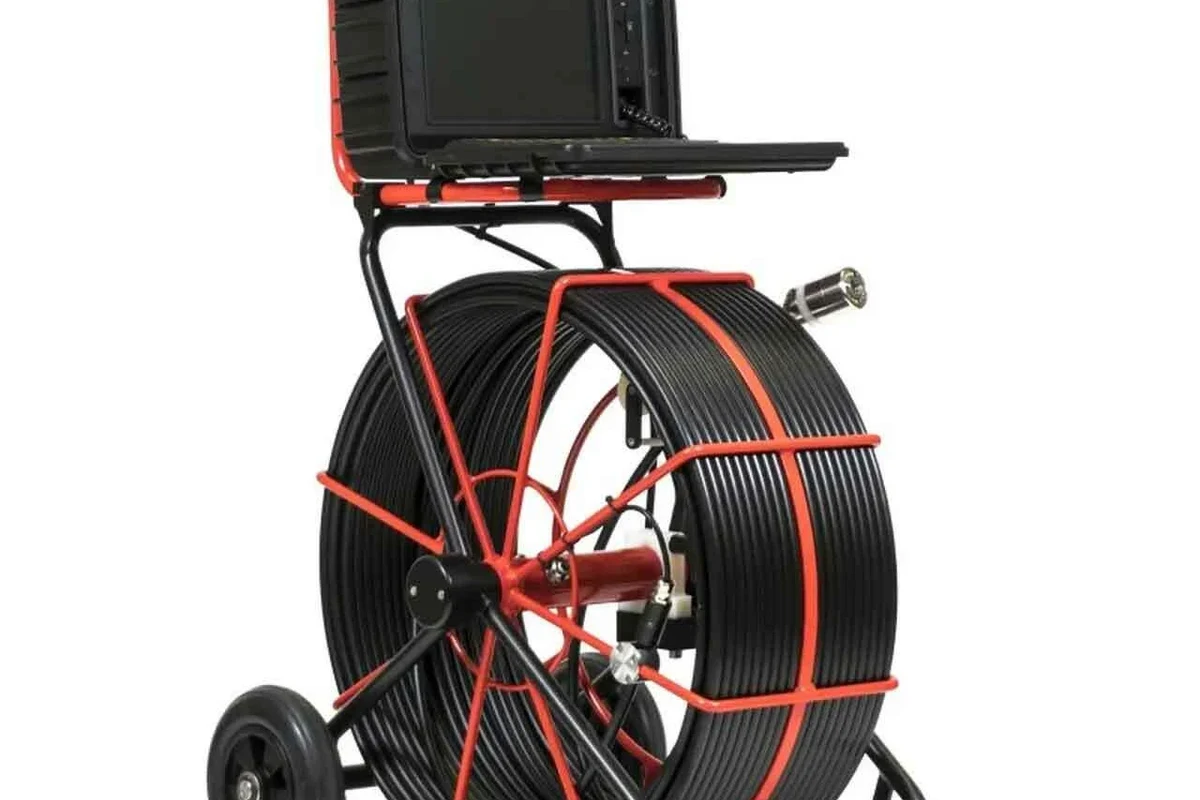
A sewer camera is a visual inspection system built to travel through pipes and show the inside of a line on a screen or recording device. In practical terms, it helps you see whether a blockage is caused by grease, debris, roots, sagging pipe, scale buildup, or another issue that needs a different fix.
Camera head, push rod, monitor, and light source explained
The camera head is the small waterproof lens assembly that enters the pipe. It usually includes built-in LEDs so the image remains visible in dark lines, while the push rod or cable provides the stiffness needed to guide the camera forward.
The monitor displays the live feed, and some systems also support recording for later review or sharing with a client. If a model includes a locator or sonde feature, it may help identify the camera’s position underground, but that capability varies by version and should be confirmed before buying.
How image quality, cable length, and rigidity affect real-world use
Image quality matters most when the line is dirty, partially blocked, or reflective from standing water. A camera that looks fine in a clean demo may be much harder to use in a real pipe if the lighting is weak or the lens fogs easily.
Cable length determines how far you can inspect, while rod stiffness affects how well the camera can travel through bends without collapsing or twisting. Too much flexibility can make feeding the line difficult; too much stiffness can make tight turns harder to navigate.
Where sewer cameras fit in smart home maintenance and property care
In a smart home context, sewer cameras are not usually connected to the rest of your automation system, but they still support smarter maintenance decisions. They help you verify whether a recurring plumbing issue is local to one fixture or part of a larger property problem.
For landlords, maintenance teams, and homeowners managing older systems, the biggest benefit is documentation. A clear inspection can support repair planning, contractor communication, and follow-up records without tearing into walls or floors first.
Key Specifications to Check Before Buying a Spartan Sewer Camera
Because product listings can vary by package or retailer, the most important part of buying a Spartan sewer camera is comparing the actual specifications, not the marketing headline. The details below matter more than brand wording when you are trying to match the tool to your plumbing needs.
Cable length, rod stiffness, and diameter compatibility
Start with cable length, since a camera that cannot reach the problem area is not useful. Then check rod stiffness, because that affects how well the camera pushes through long runs and around bends.
Also verify the minimum and maximum pipe diameters supported by the camera head and cable assembly. A large camera head may be a poor fit for smaller household drains, while a very small head may not feel as stable in larger sewer lines.
Screen size, resolution, recording support, and locator features
A larger screen can make diagnosis easier, especially when you are sharing the view with a helper or client. Resolution also matters, but the useful question is whether the image remains clear enough to identify cracks, offsets, roots, or buildup in the kinds of pipes you inspect.
Recording support is especially helpful for documentation and repeat visits. If the system includes a locator function, confirm whether it requires a compatible transmitter, receiver, or accessory package, since those features are often model-specific.
Waterproof rating, battery life, storage, and power requirements
Waterproofing is essential because sewer work exposes the camera head and cable to constant moisture. Verify the exact rating or manufacturer claim for the camera head, not just the overall unit, and follow the manual’s cleaning and drying steps after each use.
Battery life varies widely by model and usage pattern, especially if the screen is bright or recording is enabled. If the unit uses external power, check the rated wattage, adapter type, and cable quality so you can avoid overheating or unstable power delivery.
Do not use damaged chargers, frayed power cables, cracked connectors, or swollen batteries. If any part of the system overheats, smells unusual, or shows physical damage, stop using it and follow the manufacturer’s instructions.
Warranty details, replaceable parts, and serviceability to verify
For a tool that spends time in wet, abrasive conditions, warranty and service support matter as much as features. Check whether the cable, camera head, battery, monitor, or connectors can be replaced separately, because that can affect long-term value.
Serviceability is especially important for professionals who may use the system often. A unit with accessible replacement parts can be easier to keep in rotation than one that must be replaced as a whole after a single failure.
Who the Spartan Sewer Camera Fits Best
The best buyer is usually someone who has a repeat reason to inspect pipes, not someone who only wants a novelty gadget. Sewer cameras make the most sense when the cost of uncertainty is high enough to justify a specialized inspection tool.
Homeowners diagnosing recurring clogs and hidden leaks
Homeowners with recurring backups, slow drains, or suspected root intrusion can benefit from seeing the inside of the line before calling for major repairs. That can help separate a simple fixture issue from a deeper sewer problem.
It is also useful when a leak or damage is suspected but not visible. Even if the camera does not fix the issue, it can help narrow the cause and reduce unnecessary exploratory work.
Plumbers, property managers, and maintenance teams
Plumbers often need durable inspection gear that can document conditions quickly and support customer conversations. Property managers and maintenance teams may value the ability to inspect multiple units, track recurring issues, and keep records across visits.
For these users, reliability and serviceability usually matter more than flashy extras. A camera that is easy to clean, store, and redeploy can be more valuable than one with a longer feature list.
DIY users versus professionals: skill level and budget trade-offs
DIY users should be honest about how often they will use the tool and how comfortable they are navigating a camera through a line. If you only need occasional checks, a simpler model may be more practical than a premium system.
Professionals may justify a higher budget for better cable management, stronger build quality, and more dependable recording. The trade-off is that more capable systems can also be heavier, more expensive, and less forgiving if you do not maintain them properly.
Choose a Spartan sewer camera if you need a serious inspection tool for recurring plumbing issues, property documentation, or professional service work, and you are willing to verify the exact model specs before buying.
Real-World Benefits and Limitations of Sewer Camera Inspection
A sewer camera can make plumbing diagnosis more efficient, but it is not magic. Its value depends on how clean the line is, how well the camera travels, and whether the user can interpret what the image actually shows.
Benefits: faster diagnosis, fewer destructive guesses, better documentation
The biggest advantage is speed. Instead of guessing at the cause of a clog, you can often see whether the issue is debris, roots, collapse, or a misaligned section of pipe.
That also reduces the chance of unnecessary demolition. When documentation matters, a recorded inspection can help explain the issue to a homeowner, tenant, contractor, or insurer.
Limitations: maneuverability, visibility in dirty lines, and depth limits
Sewer cameras can struggle in heavily soiled lines, standing water, or tight bends. If the lens gets coated or the lighting is not strong enough, the image may be less useful than expected.
Depth limits matter too. Even a good camera is only as helpful as its ability to reach the problem area, and that depends on the pipe layout, cable length, and how the line behaves during insertion.
Evidence limitations in product claims and why specs matter more than marketing
Without verified hands-on testing, manufacturer claims should be treated as starting points rather than proof. The safest buying approach is to compare published specifications, manual details, and service terms instead of relying on broad performance statements.
Features such as recording quality, locator accuracy, app support, and battery performance can vary by model, firmware, region, and accessory package. Always confirm the exact configuration before purchase.
Setup Guide: Getting the Spartan Sewer Camera Ready Safely
Setting up a sewer camera is usually straightforward, but careful preparation helps prevent damage before the first inspection. Take a few minutes to check the parts, power source, and display before feeding the camera into a line.
Unboxing, inspecting the cable, and checking the lens and connectors
Inspect the cable for kinks, cuts, or flattened sections, and make sure the camera head lens is clean and free of cracks. Check the connectors for bent pins, loose fittings, or corrosion, especially if the unit has been stored for a while.
- Camera head and push rod or cable
- Monitor, power adapter, and any storage media
- Manual, seals, accessories, and locator parts if included
Charging or powering the unit: rated wattage, cable quality, and safe-use limits
Use only the power method the manufacturer specifies. If the system charges by adapter, confirm the rated wattage and connector type, and avoid mixing in random third-party cables unless they are clearly compatible.
If the unit uses battery power, follow the charging instructions closely and avoid leaving damaged batteries in service. Heat, swelling, or unusual behavior are signs to stop and inspect the device before continuing.
Connecting accessories, verifying storage media, and testing the display
Before inserting the camera, confirm that the display powers on, the image is readable, and recording media is recognized if the model supports it. If your unit uses an app or external storage, check that the current version works with your phone or tablet before heading to the job site.
Do a short dry-run test in a clean area first. That makes it easier to confirm image orientation, brightness, and recording settings before you are dealing with a real blockage.
Basic insertion technique to reduce cable wear and camera damage
Feed the camera slowly and avoid forcing it through resistance. If you hit a hard stop, pull back slightly, rotate gently if the design allows it, and reassess rather than pushing harder.
Never use the camera as a tool to break through a blockage. That can damage the lens, stress the cable, or create a failure that is more expensive than the original plumbing issue.
Common Mistakes, Maintenance, and Storage Tips
Most sewer camera problems are caused by handling, cleaning, or storage mistakes rather than dramatic failures. A little care after each use can extend the life of the cable, camera head, and monitor.
Avoiding kinks, forcing bends, and pushing through blockages too aggressively
Kinks and sharp bends can weaken the cable over time, especially if the rod is stored loosely or wound incorrectly. Forceful pushing can also damage the camera head or make it harder to retrieve the line safely.
Cleaning the camera head, cable, and screen after each job
After use, clean the camera head and cable according to the manual so dirt and moisture do not sit on seals or connectors. Wipe the screen with a suitable cloth and avoid harsh cleaners that could damage coatings or seals.
Inspecting seals, replacing worn parts, and storing the system dry
Check seals and connector covers regularly, especially if the unit is exposed to water often. If the system includes replaceable parts, replacing worn components early can be cheaper than waiting for a larger failure.
Store the camera dry, coiled without sharp bends, and protected from dust or impact. A dry storage routine is one of the simplest ways to preserve reliability.
Noise, battery health, and consumables to watch over time
Some systems may develop fan noise, screen issues, or battery wear with repeated use. If the battery is user-replaceable, monitor charging behavior and runtime changes so you can plan for replacement before it becomes a work interruption.
Final Recommendation: Value, Alternatives, and Bottom-Line Verdict
A Spartan sewer camera is most compelling for users who need repeatable pipe inspection rather than a one-time look inside a drain. If the model you are considering has the cable length, image quality, and service support you need, it can be a practical tool for home maintenance or professional diagnostics.
Best use cases and who should skip it
Best use cases include recurring clogs, property inspections, and situations where documentation saves time or reduces repair guesswork. Skip it if your plumbing issues are rare, your pipes are short and easy to access, or you only need a basic consumer camera for light-duty checks.
How it compares with cheaper inspection cameras and professional rental options
Cheaper inspection cameras can work for occasional household use, but they may lack the cable stiffness, recording quality, or durability needed for more demanding jobs. Professional rental options can make sense if you only need the tool once or twice and want to avoid long-term ownership costs.
The right choice depends on how often you will use it, how far you need to inspect, and whether you need records for future reference. If you are comparing models, focus on the official manual, warranty terms, and accessory ecosystem more than on broad marketing claims.
Spartan sewer cameras are worth considering for buyers who need dependable pipe inspection and can verify the exact model specifications before purchase. The main limitation is that performance depends heavily on the specific configuration, so confirm cable length, power, recording, and service details before you buy.
Frequently Asked Questions
It is best for homeowners, plumbers, and property managers who need repeated pipe inspections or clear documentation. It is less useful for people who only need an occasional look at a short, easy drain.
Cable length, rod stiffness, pipe diameter compatibility, screen quality, recording support, and waterproofing are the biggest factors. Always verify the exact model number and included accessories before purchase.
Yes, it can often show root intrusion, cracks, offsets, or buildup inside a pipe. Results depend on how dirty the line is, how far the camera can travel, and how clear the image remains.
Clean the camera head, cable, and screen after each use according to the manual, then store the system dry. Avoid sharp bends, kinks, and damp storage that can wear down seals or connectors.
It can be, if you need longer reach, better durability, or more serious inspection features. Cheaper cameras may be fine for light household use, but they often have more limits on image quality and cable handling.
Check whether the cable, camera head, battery, monitor, and connectors are covered and whether replacement parts are available. Warranty length and service options can vary by model, retailer, and region.