Amysen Smart Plug Warranty Claim Guide for Fast Support
If your Amysen smart plug is failing, the fastest warranty path is usually to gather your order details, model information, and a clear description of the issue before contacting the seller or manufacturer support. In most cases, a complete claim with photos or a short video gets a faster response than a vague message.
- Fastest route: Start with the seller or marketplace support, then escalate to the manufacturer if needed.
- Best evidence: Include your order number, model label, photos, and a short failure video.
- Coverage check: Verify warranty terms, exclusions, and proof-of-purchase requirements before filing.
- Common confusion: Pairing and Wi-Fi issues can look like defects but may be setup-related.
- Safety first: Stop using any plug that overheats, smells burnt, or shows physical damage.
Amysen Smart Plug Warranty Claim: What You Can Expect and How to Start Fast
Warranty support for smart plugs is often straightforward when the problem is clearly documented and the unit is still within the seller’s or manufacturer’s coverage window. The key is to confirm where you bought it, what exact model you have, and whether the issue looks like a product defect, setup problem, or a compatibility issue.
Quick answer: the fastest path to a warranty claim
Start with the original seller or marketplace support, then move to the manufacturer’s support channel if the seller directs you there. Include your order number, model number, and proof of the failure in one message so the support team can verify eligibility quickly.
What information you need before contacting support
Before you open a claim, collect the purchase date, retailer name, order ID, model number, and any batch or serial code printed on the plug or packaging. It also helps to note whether the plug fails to pair, loses power, overheats, or stops responding in the app, because support usually needs a short symptom summary.
- Check the exact model, purchase channel, and warranty window
- Save your order confirmation, packaging, and photos of the issue
- Confirm app, Wi-Fi, and load requirements before filing a claim
What the Amysen Smart Plug Warranty Usually Covers in 2026
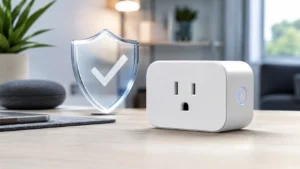
Warranty terms can vary by model, seller, and region, so the product listing, manual, or insert should be your first reference. If those documents conflict, the written warranty language that came with your unit is usually more important than a general product page description.
Typical coverage items to verify on your product listing or insert
Most smart plug warranties focus on defects in materials or workmanship, which can include a unit that arrives dead, fails to switch reliably, or stops connecting under normal use. Some support teams will also replace units that show early hardware failure, but that depends on the brand’s stated policy and the retailer’s return rules.
Common exclusions, misuse limits, and proof-of-purchase requirements
Warranty claims are often denied if the plug was used outside its rated conditions, exposed to moisture, damaged by a surge, or connected to an incompatible load. Missing proof of purchase is another common issue, so keep your receipt or order confirmation even if the box is gone.
Some brands also exclude cosmetic wear, accidental damage, unauthorized modification, and problems caused by unstable Wi-Fi or unsupported apps. That matters because a smart plug that seems “broken” may actually be suffering from pairing, router, or setup problems rather than a covered defect.
How the Claim Process Works Step by Step
The exact workflow varies, but most claims follow the same pattern: verify the product, document the fault, contact support, and wait for a replacement or refund decision. A short, organized message usually gets handled faster than a long back-and-forth thread.
Finding the model number, batch code, and purchase date
Check the plug body, packaging, instruction sheet, and order history for identifying details. If the model number is not obvious, take a photo of every label and send it with your claim so support can help match the unit to the correct warranty record.
Contacting the seller, marketplace support, or manufacturer channel
Begin with the place you bought it, especially if the return window is still open. If the seller cannot resolve the issue, the brand’s support team may ask for the same documentation, so keep everything in one folder for easy forwarding.
Submitting photos, videos, and a short failure description
Good claim evidence is simple and specific: a photo of the plug label, a screenshot of the error, and a short video showing the failure. If the plug gets hot, smells burnt, or behaves erratically, stop using it and document the issue safely without forcing it to operate.
Smart Plug Setup Details That Matter Before You File a Claim
Many warranty requests come from problems that look like hardware failure but are actually installation, network, or fit issues. Checking the basics first can save time and help you avoid an unnecessary return.
Dimensions, outlet fit, and clearance around adjacent sockets
Smart plugs can block neighboring outlets or fit poorly in crowded wall plates, power strips, or tight spaces. If the plug’s body interferes with other sockets, that is a placement issue to verify before assuming the unit itself is defective.
App requirements, Wi-Fi compatibility, and setup steps to confirm
Most smart plugs require the official app, a compatible phone, and a 2.4 GHz Wi-Fi network during setup. If the plug will not pair, confirm that you are using the correct app version, have Bluetooth or location permissions enabled if required, and are following the pairing sequence exactly as written in the manual.
Connectivity checks: 2.4 GHz support, signal strength, and pairing issues
Weak signal strength, router band steering, guest networks, and mesh settings can all interrupt pairing or make the plug appear offline. Before filing a claim, try the plug closer to the router and confirm that your network supports the setup requirements listed by the manufacturer.
Common Problems That Lead to Warranty Requests
Support teams often see the same few complaints with smart plugs, and not all of them point to a defective unit. Knowing the difference can help you explain the issue accurately and avoid delays.
Pairing failures, offline status, and app sync errors
If the plug never appears in the app, drops offline frequently, or shows stale status updates, the problem may be related to setup, Wi-Fi, or account sync. Reinstalling the app, checking permissions, and redoing the pairing process can help determine whether the issue is software-related or hardware-related.
Power cycling, overheating concerns, and inconsistent on/off behavior
A plug that randomly turns off, fails to restore power after an outage, or feels unusually warm deserves attention. Heat, repeated resets, and inconsistent switching can indicate a failing relay, a load issue, or unsafe usage, so stop relying on the plug until the cause is clear.
Load-limit mistakes and appliance compatibility issues
Smart plugs are generally better for lamps, fans, chargers, and small appliances than for high-draw equipment. If the connected device exceeds the plug’s rated load or has a motor/compressor start-up surge, the problem may be improper use rather than a warranty defect.
- Easy to document when the issue is clearly hardware-related
- Often replaceable through seller or manufacturer support
- Useful for routine home automation when the setup is correct
- Claims can stall if proof of purchase is missing
- Network or app problems may be mistaken for defects
- Compatibility and load limits can limit real-world use
Safety Checks, Maintenance, and Care Before and After Use
Good care can reduce failures and make warranty decisions easier if something does go wrong. It also helps you spot when a device should be retired instead of replaced.
Heat inspection, outlet condition, and signs of wear to watch for
Check for discoloration, melting, cracked plastic, loose outlet contact, or an unusual smell. If the outlet itself is damaged or the plug runs hot under normal use, stop using that outlet and follow the manufacturer’s safety instructions before installing a replacement.
Cleaning and storage guidance for long-term reliability
Keep the plug dry, dust-free, and away from moisture-prone areas unless the product is specifically rated for that environment. For storage, unplug it, let it cool, and keep the original packaging or a labeled container handy in case you need to return it later.
Safe-use limits, extension cord cautions, and replacement guidance
Use the plug only as directed in the manual and avoid stacking it with questionable adapters, overloaded strips, or unverified extension cords. If the unit is physically damaged, repeatedly disconnects, or shows signs of heat stress, replacement is safer than continued troubleshooting.
Who the Amysen Smart Plug Fits Best in a Smart Home
Smart plugs make the most sense when you want simple app control, voice assistant routines, or scheduled on/off automation without replacing a wall switch. The best fit depends less on the brand name and more on your home layout, Wi-Fi quality, and the device you plan to control.
Best use cases for lamps, small appliances, and routine automation
These plugs are typically most useful for table lamps, holiday lighting, fans, coffee makers that support remote power control, and other low-risk household devices. They are also handy for students, remote workers, and travelers who want a simple way to schedule lights or reset a small device remotely.
If you are still building out a room, you may want to compare it with other smart light switch options or browse smart lights for home use if replacing bulbs makes more sense than adding plugs.
Who should avoid it: high-draw devices, unstable Wi-Fi homes, and outdoor use
A smart plug is usually a poor choice for space heaters, large kitchen appliances, or anything with a heavy startup load unless the manufacturer explicitly says it is supported. Homes with weak Wi-Fi coverage may also struggle with reliable control, and outdoor use should be avoided unless the product is clearly rated for it.
Value, Alternatives, and Final Recommendation for Warranty Buyers
For warranty-focused buyers, the real value is not just the plug itself but how easy it is to get help if something fails. Before you buy, check whether the seller offers a clear return path, whether the brand documents support steps well, and whether the model is easy to identify later.
What makes the warranty process worth checking before purchase
A smart plug is easier to own when the packaging, app, and support pages all make the model and claim process easy to find. Good documentation matters because it can shorten support time and reduce the chance of a denied claim.
Comparison points: support speed, documentation, and replacement ease
When comparing options, look at how clearly the warranty terms are written, whether the seller or manufacturer handles claims, and whether replacement instructions are simple. You should also confirm app support, Wi-Fi requirements, and any platform compatibility that matters to your home setup.
- Gather your order details, model number, and proof of failure before contacting support.
- Check setup, Wi-Fi, fit, and load limits so you do not mistake a configuration issue for a defect.
- Stop using any plug that overheats, smells burnt, or shows physical damage.
Transparent verdict: when the Amysen smart plug is a good buy and when to choose another option
The Amysen smart plug can be a practical choice if you want simple automation for low-power devices and you are comfortable verifying warranty details before purchase. If you need stronger support documentation, outdoor use, or a higher-draw appliance solution, it is smarter to choose a different model with clearer specifications and a more robust service process.
Frequently Asked Questions
Start with the seller or marketplace where you bought it, then use the manufacturer support channel if needed. Have your order number, model details, and proof of the issue ready before you contact them.
Most claims go faster with a receipt or order confirmation, a photo of the label, and a short video showing the failure. Keep the packaging and any serial or batch codes if they are available.
Not always, because pairing issues can come from router settings, app permissions, or setup mistakes instead of a defect. Try the official troubleshooting steps first so support can tell whether the problem is hardware or configuration related.
Common exclusions include misuse, physical damage, moisture exposure, overloads, and modifications. Missing proof of purchase can also make a claim harder to approve.
Usually not unless the manufacturer clearly says the specific appliance is supported. Smart plugs are generally better for lamps, fans, and other low-risk devices.
Stop using it if it overheats, smells burnt, shows melted plastic, or has loose electrical contact. Those are safety issues, not just convenience problems, and they should be checked before you keep using the device.