Can a Bad Map Sensor Cause Misfire
Yes, a bad MAP sensor can cause misfire symptoms by sending the engine computer the wrong load signal. But misfire codes alone do not prove the sensor is bad, so confirm the wiring, vacuum system, and live data first.
Yes—a bad MAP sensor can cause a misfire, but it is not the only likely cause. A faulty manifold absolute pressure reading can throw off fuel delivery and engine load calculations, which may lead to rough running, hesitation, stalling, or a true misfire.
- Yes, it can: Incorrect MAP data can create rough idle, hesitation, and misfire-like behavior.
- Diagnosis matters: Check codes, live data, wiring, and vacuum leaks before replacing parts.
- Symptoms overlap: Spark plugs, coils, injectors, and intake leaks can look very similar.
- Fit is critical: Verify connector style, mounting type, engine size, and calibration before buying a replacement.
Can a Bad MAP Sensor Cause Misfire? Short Answer and What It Means
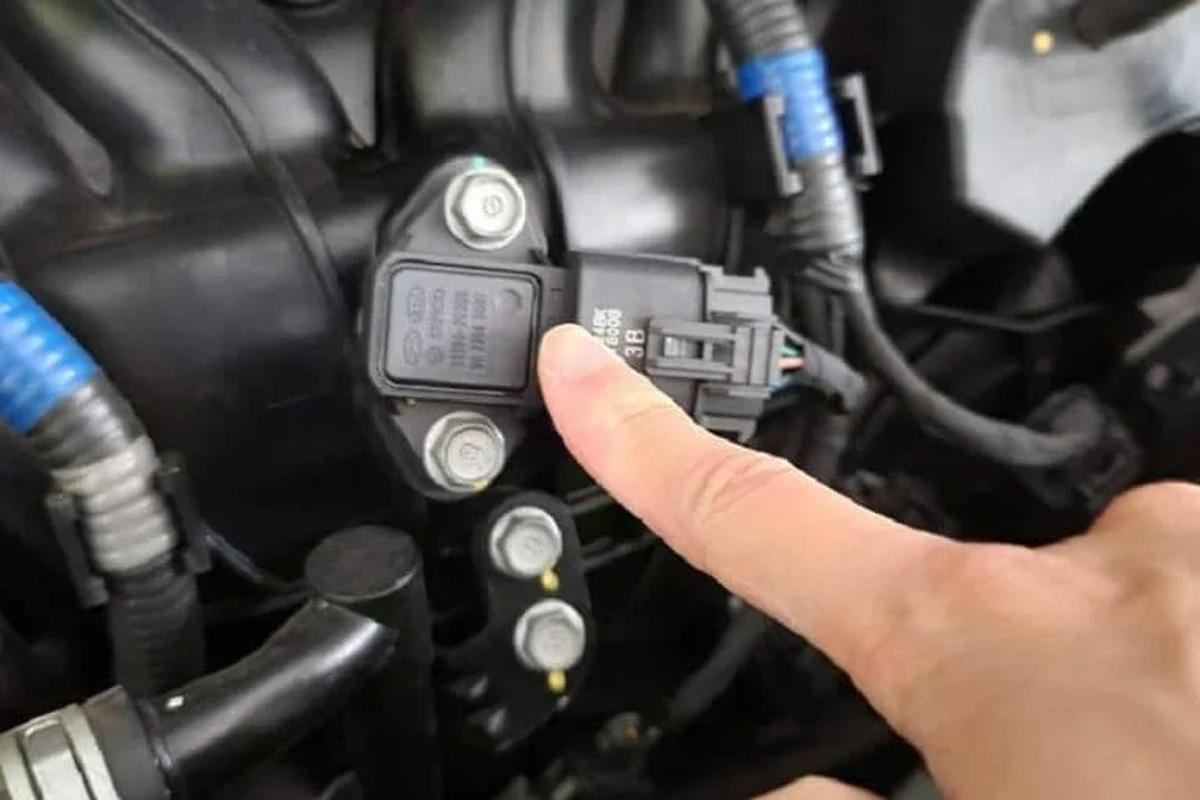
The short answer is yes, a failing MAP sensor can contribute to misfire symptoms. The sensor helps the engine computer estimate how much air is entering the engine, so bad data can make the air-fuel mixture too rich or too lean.
That said, a misfire code does not automatically mean the MAP sensor is bad. Spark plugs, ignition coils, fuel injectors, vacuum leaks, and wiring faults can create very similar symptoms, so the MAP sensor should be confirmed before replacement.
What a MAP Sensor Does and Why It Matters for Combustion
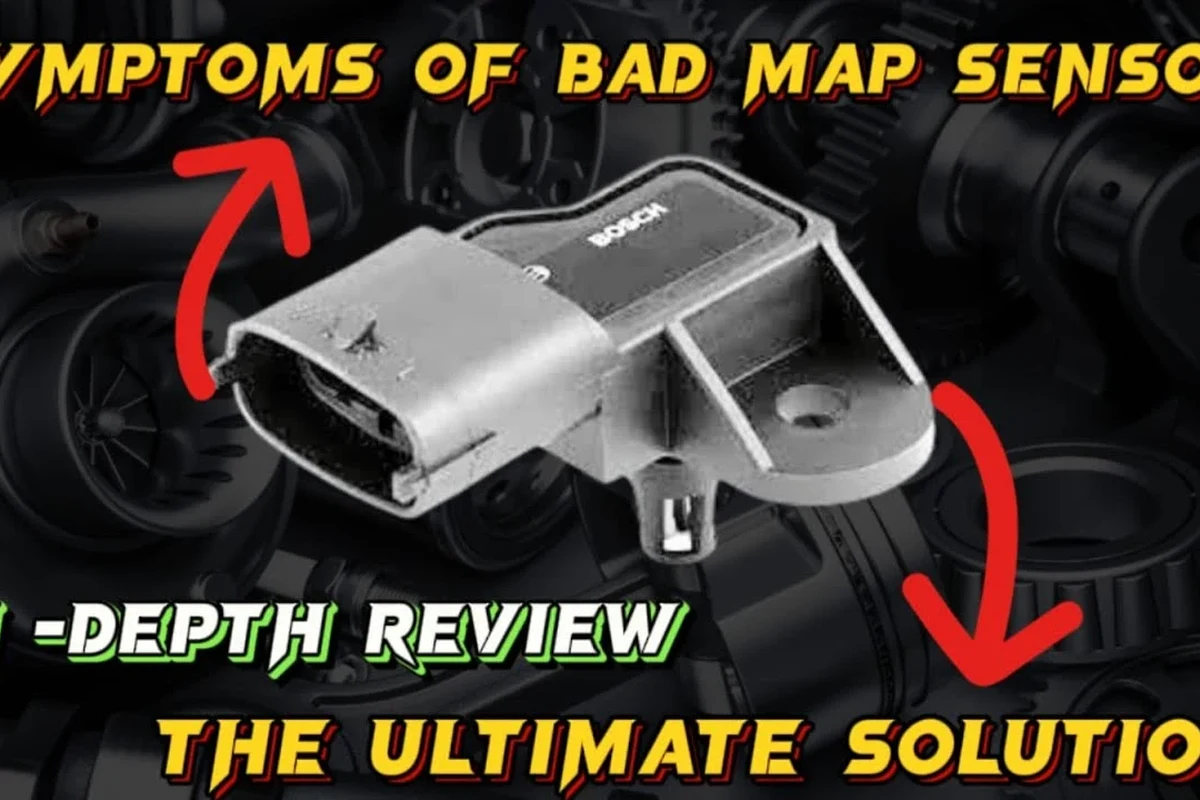
The MAP sensor measures pressure inside the intake manifold. The engine control module uses that pressure, along with engine speed and other inputs, to estimate engine load and decide how much fuel and ignition timing the engine needs.
How manifold absolute pressure data affects fuel delivery and timing
When the MAP reading is accurate, the computer can keep the air-fuel mixture close to where it should be under idle, cruising, and acceleration. If the reading is wrong, the computer may command the wrong injector pulse width or timing advance, and combustion can become unstable.
In practical terms, that means the engine may run too lean under load, too rich at idle, or both at different times. Either condition can create a stumble that feels like a misfire.
Why incorrect load readings can lead to rough running, hesitation, or misfire
Engine load is a big part of how modern fuel-injected engines decide what to do next. If the MAP sensor reports the wrong pressure, the computer may think the engine is under a different load than it really is.
That can cause poor throttle response, uneven idle, surging, or fuel trim corrections that are too extreme. Once combustion gets inconsistent in one or more cylinders, the result may be a misfire code or a drivability complaint that feels like one.
Many engines use the MAP sensor together with intake air temperature, throttle position, and engine speed to estimate airflow instead of relying on a mass airflow sensor alone.
Signs a Faulty MAP Sensor Is Behind the Misfire
MAP sensor problems often show up as a pattern, not a single symptom. The clue is usually a mix of drivability issues, fuel trim changes, and trouble codes that point to an air-fuel calculation problem.
Common symptoms: check engine light, poor idle, hard starts, and fuel smell
A check engine light is common, especially if the engine computer detects implausible pressure data. You may also notice rough idle, hard starting, hesitation when accelerating, poor fuel economy, or a strong fuel smell if the mixture is too rich.
If the sensor is reading too much or too little manifold pressure, the engine may also stall when coming to a stop or feel weak when pulling away. Those symptoms can overlap with misfire behavior, especially at idle and low speed.
How these symptoms overlap with spark plugs, coils, injectors, vacuum leaks, and sensors
This is where many drivers get misled. A worn spark plug, weak coil, clogged injector, vacuum leak, bad PCV hose, failing oxygen sensor, or dirty throttle body can produce nearly the same rough-running complaint.
That overlap is why a misfire diagnosis should look at the whole system. The MAP sensor may be the cause, but it may also be reacting to another problem that changed manifold pressure or air flow.
Stop short of replacing parts at random. A misfire can come from ignition, fuel, air leaks, or sensor data problems, and the wrong fix wastes time and money.
How to Diagnose a Bad MAP Sensor Without Guesswork
Good diagnosis starts with codes, live data, and a visual inspection. The goal is to confirm whether the sensor is giving believable information before you replace anything.
Reading OBD2 trouble codes and live data
Start with an OBD2 scan tool and note all stored and pending codes. MAP-related codes such as sensor range, performance, or circuit faults can point toward the sensor or its wiring, while lean or rich codes may point toward mixture problems that have several possible causes.
Live data is just as important. Compare MAP readings with engine behavior at key-on, idle, and during throttle changes. A reading that is stuck, slow to change, or far outside normal engine vacuum behavior deserves closer inspection.
Inspecting wiring, connectors, vacuum lines, and sensor contamination
Before condemning the sensor, inspect the connector pins, harness routing, and any vacuum hose attached to the sensor if your vehicle uses one. Corrosion, broken wires, loose terminals, oil contamination, and cracked vacuum lines can all make a good sensor look bad.
Also check for intake leaks, damaged gaskets, or disconnected hoses. A vacuum leak can change manifold pressure enough to confuse the engine computer and mimic a sensor failure.
If your scan tool shows fuel trims, compare short-term and long-term values at idle and at a steady cruise. Large positive trims can suggest unmetered air or a weak fuel condition, while large negative trims can point to an overly rich condition or a sensor reporting incorrectly.
Simple comparison checks: MAP readings at key-on, idle, and under load
A simple comparison can reveal a lot. At key-on with the engine off, MAP should usually read close to local atmospheric pressure. At idle, it should drop significantly because the engine creates vacuum in the intake manifold.
When you lightly rev the engine or drive under load, the reading should change smoothly. If the sensor stays flat, jumps around, or does not match the engine’s behavior, the problem may be the sensor, the wiring, or the vacuum source.
When a MAP Sensor Is the Cause vs. When It Is Not
Not every misfire-like symptom means the MAP sensor is bad. The best repairs come from matching the symptom pattern with the scan data and the physical inspection.
Decision criteria for confirming the fault before replacing parts
The MAP sensor becomes a strong suspect when the code set includes MAP circuit or range faults, the live data is implausible, the wiring and vacuum supply check out, and the engine behavior changes when the data becomes believable again after repair.
If the sensor responds normally, the connector is solid, and there are still misfires, look elsewhere first. Ignition and fuel delivery issues are often more common than a failed MAP sensor.
- Bad MAP data can cause rough running and misfire symptoms.
- Codes alone are not enough to prove the sensor has failed.
- Check wiring, vacuum leaks, and live data before replacing parts.
Evidence limits and why misfire codes alone do not prove a MAP failure
A misfire code only tells you that combustion was uneven in one or more cylinders. It does not tell you why that happened. The cause could be spark, fuel, air, compression, timing, or sensor input.
That is why a MAP sensor should be treated as one possible cause, not the default answer. A careful diagnosis is especially important on engines that are sensitive to vacuum leaks or have multiple sensors influencing fuel control.
Replacement Guide: Fit, Compatibility, and Key Specs to Verify
If the MAP sensor is confirmed bad, fit and compatibility matter as much as the part itself. A sensor that plugs in but does not match the engine calibration can create new drivability problems.
OEM vs. aftermarket sensor quality and calibration differences
OEM sensors are designed to match the vehicle’s original calibration, which can reduce the chance of data mismatch. Aftermarket sensors can work well, but quality and calibration consistency vary by brand and application.
For a critical engine input like MAP, the safest choice is usually the part that matches the vehicle specification most closely. If you choose aftermarket, verify that the brand lists your exact engine and emissions package.
Connector style, engine compatibility, voltage range, and mounting type
Check the connector shape, pin count, mounting style, and whether the sensor is a direct manifold-mount type or uses a hose connection. Even small differences can prevent proper installation or cause leaks.
Also verify the voltage range and signal type expected by your vehicle. Those details are usually listed in the factory manual or the manufacturer’s catalog, and they matter more than a generic “fits” claim.
What to verify before buying in 2026: vehicle year, engine size, and emissions setup
Before ordering, confirm the exact model year, engine code or displacement, and whether the vehicle uses a standard or emissions-specific calibration. The same nameplate can use different sensors across trims, markets, or production dates.
When possible, cross-check the part number against the owner’s manual, service information, or the manufacturer’s compatibility guide. That step is especially important if the vehicle has been modified or previously repaired.
Safe Repair, Maintenance, and Common Mistakes to Avoid
MAP sensor work is usually straightforward, but simple mistakes can create new faults. Handle the sensor carefully and inspect the surrounding intake system while you are there.
Disconnecting the battery, handling sensors carefully, and checking for vacuum leaks
Follow the vehicle manual before disconnecting the battery or removing components near the intake. Some vehicles may lose learned idle settings or stored data, so it is smart to know what reset behavior to expect.
Handle the sensor by the body, not the pins or pressure port. While the sensor is out, check for cracked hoses, brittle seals, loose clamps, or carbon buildup that could affect manifold pressure readings.
Do not work on a hot engine, force brittle plastic fittings, or ignore fuel vapor smells. If you find damaged wiring, leaking fuel, or severe stalling, stop and follow the vehicle manufacturer’s safety guidance or get professional help.
Cleaning vs. replacing: when maintenance is enough and when it is not
Some MAP sensors only need a careful cleaning of the external port or nearby intake area, but cleaning will not fix an internal failure or a bad electronic signal. If the sensor output is erratic, out of range, or does not respond correctly to engine changes, replacement is usually the better choice.
Do not use harsh chemicals unless the manufacturer specifically allows them. A damaged sensor can fail again quickly, and overcleaning can make the problem worse.
Storage, installation care, and avoiding damaged seals or overtightening
If you are not installing the part immediately, store it in a clean, dry place and keep the connector protected from dust. During installation, make sure the seal seats correctly and do not overtighten plastic housings or small fasteners.
A pinched O-ring or cracked mounting ear can create a vacuum leak or a loose sensor reading. That can bring the misfire symptoms right back even if the sensor itself is good.
Final Recommendation: Best Next Step for Drivers Facing a Misfire
The best next step is to diagnose the full ignition, fuel, and air system before replacing the MAP sensor. A sensor swap makes sense when the code, live data, wiring check, and vacuum inspection all point in the same direction.
Choose MAP sensor replacement when scan data is clearly wrong, the connector and vacuum system check out, and the vehicle’s symptoms match a bad pressure signal. If the evidence is mixed, a professional diagnosis or a broader tune-up is the safer and often cheaper path.
Value of diagnosing the full ignition and air-fuel system before replacement
Replacing the MAP sensor first can be tempting because it is relatively simple, but that approach often misses the real cause. A weak coil, worn plugs, air leak, or fuel delivery issue can create the same complaint and may need attention anyway.
Careful diagnosis protects your budget and helps you avoid stacking unnecessary parts on the car. It also reduces the chance of chasing a recurring misfire after the first repair.
When to choose a sensor replacement, professional inspection, or broader tune-up
Choose sensor replacement when the MAP signal is clearly faulty and the rest of the intake system is sound. Choose professional inspection when the codes are mixed, the engine stalls, the misfire is severe, or you cannot verify the wiring and vacuum system.
Choose a broader tune-up when maintenance items are overdue or multiple systems look worn at once. In many cases, the most reliable fix is not one part, but a complete correction of the underlying air-fuel problem.
Frequently Asked Questions
Yes. A bad MAP sensor can send incorrect load data to the engine computer, which may cause rough idle, hesitation, or a misfire. It is still important to confirm the sensor before replacing it because other faults can look the same.
Common symptoms include a check engine light, rough idle, hard starts, poor acceleration, and a fuel smell. Some vehicles also show lean or rich fuel trim changes that point to bad air-fuel control.
Check live MAP data, inspect the wiring, and look for cracked hoses or intake leaks. If the sensor readings are believable but the engine still runs poorly, a vacuum leak or another air-fuel issue may be more likely.
No. A misfire code only tells you that combustion was uneven in one or more cylinders, not why it happened. Spark, fuel, air, compression, and sensor problems can all trigger similar codes.
Cleaning may help if the port or surrounding area is dirty, but it will not fix an internal sensor failure. If the signal is out of range or erratic, replacement is usually the better option.
Verify the exact vehicle year, engine size, emissions setup, connector style, mounting type, and calibration match. The same model can use different sensors across trims or production dates.