Do I Need to Relearn a Crankshaft Position Sensor
Sometimes you do, but the need depends on the exact vehicle and repair. Check the OEM procedure first, because many “relearn” problems are really wiring, timing, or part-compatibility issues.
If you’re asking whether you need to relearn a crankshaft position sensor, the short answer is: sometimes yes, but not always. Whether a relearn is required depends on the vehicle, the repair that was done, and whether the engine computer needs to re-sync crankshaft position data after the change.
- Vehicle-specific: A crankshaft sensor relearn is required on some models, but not all.
- Check the manual: Factory service information is the most reliable source for the correct post-repair procedure.
- Don’t skip diagnostics: Repeat codes often point to wiring, timing, or sensor compatibility problems.
- Scan tool matters: Some relearns need bidirectional scan-tool support, not just code clearing.
Do You Need to Relearn a Crankshaft Position Sensor? Quick Answer and When It Matters
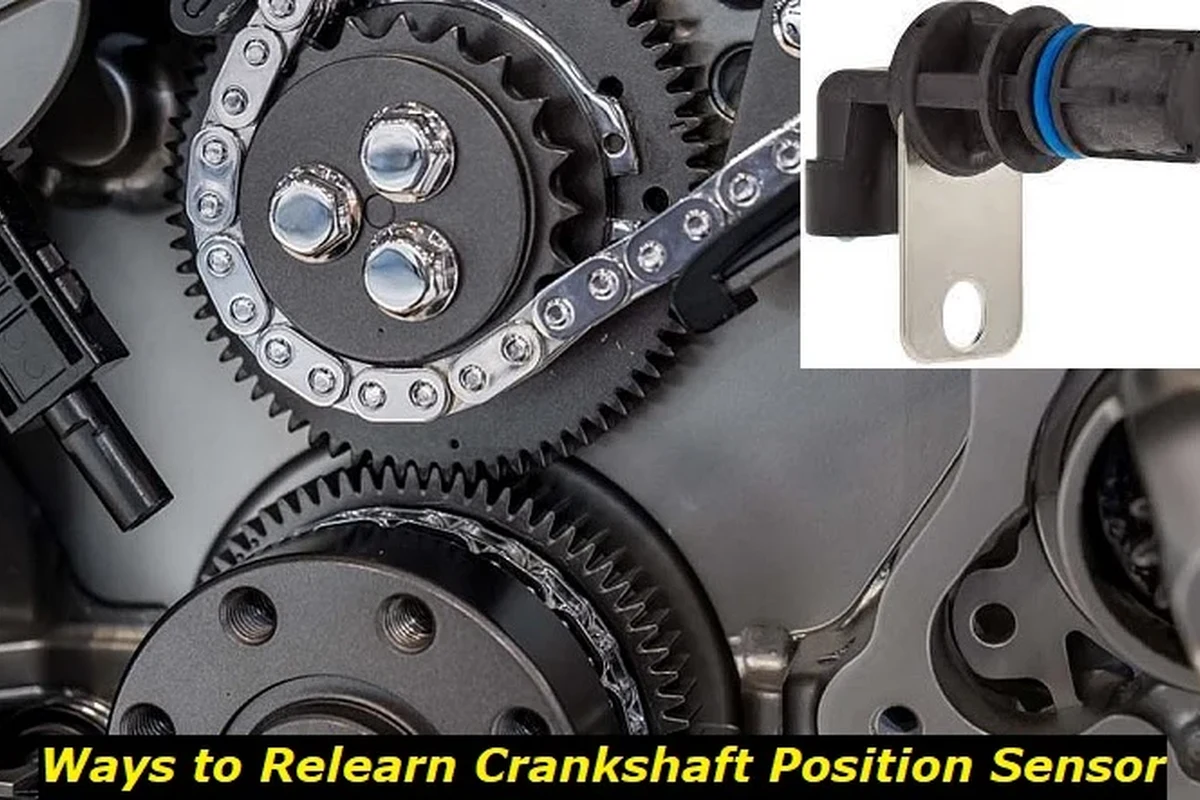
In many vehicles, a crankshaft position sensor replacement is plug-and-play, meaning the engine may start and run without a special procedure. In other vehicles, especially those that closely monitor crankshaft and camshaft timing, a relearn or recalibration helps the ECU confirm exact crank position so it can manage ignition timing, fuel delivery, and misfire detection correctly.
The safest rule is to check the factory service information for your exact make, model, engine, and year. If the vehicle has a crankshaft variation learn, idle relearn, or crank/cam correlation procedure listed after repair, follow that procedure before assuming the job is finished.
What a Crankshaft Position Sensor Does in 2026 Vehicles
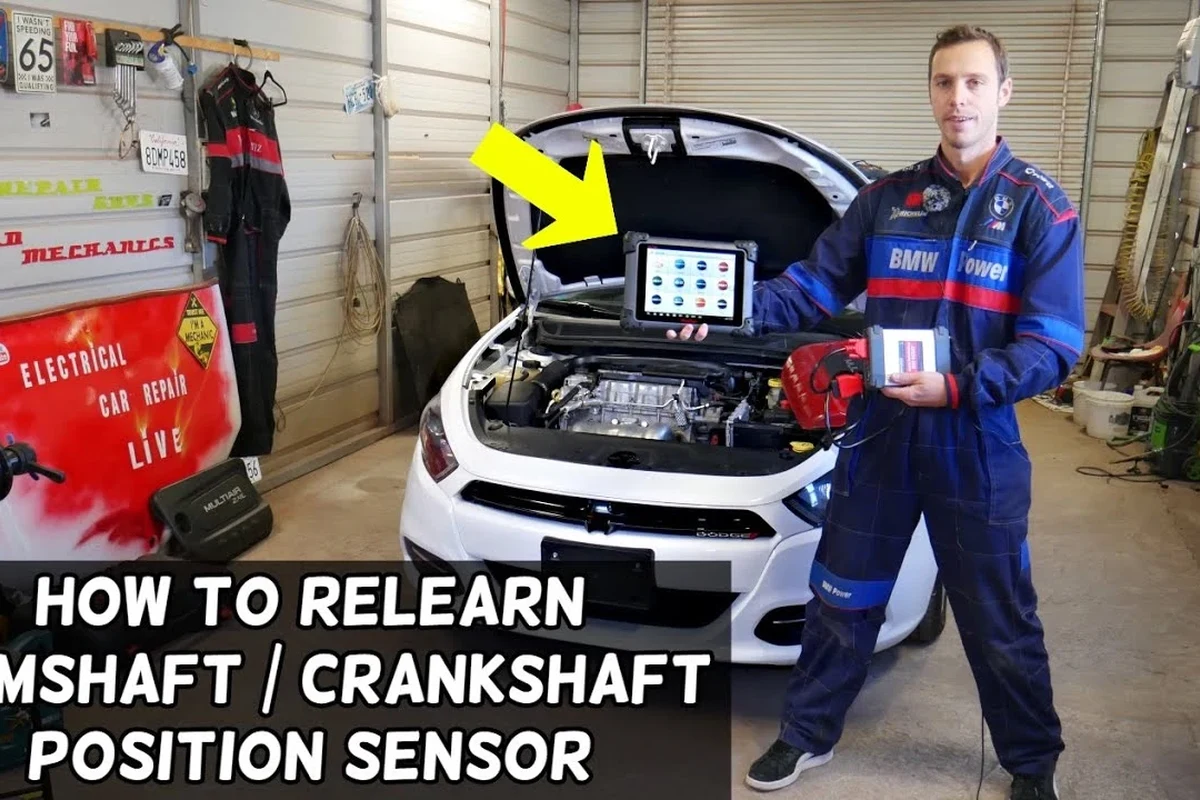
The crankshaft position sensor tells the engine computer where the crankshaft is and how fast it is turning. That information helps the ECU time spark, control fuel injection, detect misfires, and coordinate with the camshaft position sensor.
Modern engines depend on that signal more than older vehicles did. As engine controls become more precise, the ECU often needs to confirm that the new sensor signal matches the actual mechanical position of the engine.
How the sensor communicates with the ECU
The sensor sends a pulse pattern the ECU reads as crankshaft speed and position data. Depending on the design, the signal may come from a magnetic pickup or a Hall-effect sensor, and the ECU interprets the pattern differently based on the vehicle’s calibration.
If the signal is noisy, missing, or not aligned with what the ECU expects, the engine may crank longer, misfire, stall, or set a fault code. That is why relearn procedures exist on some vehicles after sensor replacement or related engine work.
Why relearn procedures exist after replacement or battery loss
Relearn procedures help the ECU rebuild its reference point. After a sensor change, timing repair, or a module reset, the computer may need to relearn crankshaft variation so it can distinguish normal engine vibration from a real fault.
Battery disconnects and ECU resets do not always erase this data, but they can trigger idle adaptation or other relearn needs on certain vehicles. The requirement is not universal, so the repair context matters.
When a Crankshaft Position Sensor Relearn Is Required
A relearn is most likely when the engine computer depends on a precise learned relationship between crankshaft movement and sensor signal. If that relationship changes, the ECU may need a new reference before it can run smoothly.
After sensor replacement
Some vehicles require a relearn after installing a new crankshaft position sensor, especially if the sensor is part of a crank variation strategy. Others simply need the fault codes cleared and a successful start-up verification.
If the replacement sensor is not the exact style or signal type the ECU expects, a relearn may not solve the problem. In that case, the issue is compatibility or installation, not adaptation.
After engine repairs, timing work, or flywheel changes
Timing chain, timing belt, camshaft, flywheel, flexplate, or harmonic balancer work can affect crankshaft signal interpretation. Even when the sensor itself is untouched, the ECU may see a changed relationship between mechanical position and learned data.
That is one reason crank/cam correlation codes often appear after major engine repairs. If the mechanical timing is off, no relearn will fix it until the underlying issue is corrected.
After battery disconnects, ECU resets, or scan tool resets
Disconnecting the battery, replacing the ECU, or clearing adaptive memory with a scan tool can reset learned values on some vehicles. This may trigger an idle relearn, throttle relearn, or crank variation relearn depending on the platform.
Not every reset creates a crankshaft relearn need, but it can expose one that was already marginal. If the engine ran poorly before the reset, the reset may simply make the problem more obvious.
Some manufacturers separate “crankshaft position sensor relearn,” “crank variation relearn,” “idle relearn,” and “cam/crank correlation” into different procedures. The names sound similar, but they are not always the same.
Signs Your Vehicle May Need a Relearn or Recalibration
Symptoms alone cannot prove a relearn is needed, but they can point you in that direction. If the new sensor is installed correctly and the engine still acts like the ECU is confused, adaptation or calibration may be part of the fix.
Hard starting, stalling, or rough idle
A crankshaft sensor problem can show up as extended cranking, intermittent stalling, or an unstable idle. These symptoms may appear right after replacement if the ECU has not relearned the signal pattern or if the signal is not clean.
Rough idle can also come from vacuum leaks, ignition problems, or fuel delivery issues, so it is important not to blame the sensor too quickly.
Check engine light and crankshaft correlation codes
Codes related to crankshaft position, camshaft correlation, or misfire detection often indicate that the ECU is not happy with the signal relationship. A relearn may be required if the hardware is correct and the mechanical timing checks out.
If the code returns immediately, that usually suggests a wiring fault, incorrect part, or timing issue rather than a simple adaptation problem.
Misfire symptoms, hesitation, or reduced power
When the ECU cannot trust crankshaft data, it may limit performance or mismanage spark timing. Drivers may feel hesitation, poor acceleration, or a hesitation that comes and goes under load.
Those symptoms can overlap with ignition coil, plug, injector, or airflow issues, so a scan tool and proper diagnosis are more useful than guesswork.
Some vehicles use crankshaft variation data to improve misfire detection. That means a relearn can affect not just drivability, but also how accurately the ECU recognizes engine faults.
How to Tell Whether Your Specific Vehicle Needs It
The only reliable way to know is to check the manufacturer’s instructions for your exact vehicle. Generic advice can be misleading because relearn requirements vary widely between brands, engine families, and even trim levels.
OEM service information and repair manual checks
Look for the factory service manual, OEM repair database, or a trusted professional repair guide that lists post-repair procedures. Search for terms like crankshaft variation learn, CKP relearn, idle relearn, or cam/crank correlation reset.
If the procedure is listed, follow the steps exactly. If the manual says no relearn is needed, that is usually more trustworthy than forum speculation.
Make, model, engine, and year differences
Two vehicles from the same brand can behave very differently if they use different ECUs or engine management strategies. The need for relearn can also change by model year as manufacturers revise software and sensor logic.
That is why a general answer like “yes, always” or “no, never” is not dependable. The vehicle platform decides the procedure.
Aftermarket sensor compatibility and fit considerations
Aftermarket sensors can work well when they match the OEM signal type, connector shape, mounting depth, and air gap requirements. But some parts fit physically while still producing a signal the ECU does not like.
If a replacement sensor causes repeat codes or unstable idle, verify part number compatibility before assuming the relearn failed. A mismatched sensor can look like a software problem when it is really a hardware mismatch.
- Check the exact engine code, model year, and sensor position before ordering parts
- Confirm whether the OEM procedure calls for a relearn, idle reset, or no adaptation at all
- Verify connector shape, mounting style, and signal type for the replacement sensor
- Review service bulletins, repair notes, and scan-tool requirements before starting
Relearn Methods: Scan Tool, Drive Cycle, or No Relearn Needed
There are three common outcomes after a crankshaft sensor repair: a scan-tool relearn, a drive cycle relearn, or no relearn at all. Which one applies depends on the vehicle’s software and what repairs were performed.
Common relearn procedure steps
Most procedures start with confirming the repair is complete, checking battery voltage, clearing relevant codes, and bringing the engine to the required temperature. Some vehicles need a specific speed range, gear selection, or throttle condition before the ECU can learn correctly.
Do not skip the prerequisites. A relearn can fail if the engine is not warmed up, the battery is weak, or another fault code is still active.
What a professional scan tool typically does
A capable scan tool can command a crankshaft variation relearn, monitor live data, and confirm whether the ECU accepted the new reference. Some tools also show pending codes or readiness data that help verify the repair.
Consumer-level code readers may clear codes but not perform the relearn itself. If the vehicle requires a bidirectional function, the tool must support that exact service.
When a drive cycle is enough
On some vehicles, the ECU completes adaptation during normal driving after codes are cleared. This usually happens only after the repair is correct and the engine reaches the right operating conditions.
A drive cycle is not a shortcut for bad wiring, incorrect parts, or mechanical timing problems. It only works when the vehicle is already fundamentally healthy.
Check the sensor, connector, harness routing, and mounting before trying any relearn procedure.
Use the correct scan tool to clear relevant codes and inspect live data for obvious faults.
Complete the relearn or drive cycle exactly as the service information describes.
Common Mistakes That Cause Relearn Problems
Many “relearn failures” are really repair mistakes, not software problems. If the ECU still sees bad data, it cannot learn around a mechanical or electrical fault.
Installing the wrong sensor or using poor-quality parts
The most common issue is a replacement sensor that is close enough to fit but not correct enough to function properly. Even small differences in signal output, tip design, or connector pinout can create repeat faults.
Low-quality parts can also be more sensitive to heat and vibration, which matters because crank sensors often live in harsh engine-bay conditions.
Ignoring timing issues, wiring faults, or damaged connectors
Cracked insulation, corroded terminals, oil contamination, and loose grounds can all interfere with the sensor signal. If the connector is damaged or the harness is routed too close to heat sources, the relearn may fail or the code may return.
Mechanical timing problems are equally important. If cam timing is off, the ECU may never accept the crank signal as valid.
Skipping code clearing and verification checks
Some repairs appear finished because the engine starts, but the stored code or pending fault remains in memory. That can confuse the relearn process and make it hard to know whether the repair actually worked.
Always verify with a scan tool if possible. A successful repair should be confirmed with no active faults, stable idle, and normal road behavior.
- Inspect the connector pins for spread terminals, corrosion, or oil before replacing more parts
- Use OEM or high-confidence equivalent parts when the signal type is sensitive
- Check timing marks and related codes if the relearn does not complete
- Keep battery voltage stable during the procedure to avoid interrupted learning
Safety, Reliability, and Long-Term Maintenance Tips
Crankshaft sensor work is usually straightforward, but the surrounding engine area can be hot, cramped, and easy to damage. Careful inspection matters because a small harness issue can mimic a bigger sensor failure.
Safe handling during installation and inspection
Let the engine cool before touching components near the exhaust, belt drive, or transmission bellhousing area. Use the proper service procedure and avoid forcing connectors, since broken locking tabs can create intermittent faults later.
Preventing contamination, heat damage, and harness wear
Keep oil, coolant, and dirt off the sensor connector and wiring. If the harness is rubbing on brackets or sitting too close to a hot surface, secure it before the next failure happens.
Stop and recheck the repair if the engine runs worse after the sensor is installed, the connector feels loose, or the wiring shows heat damage. Do not keep driving if the vehicle stalls unpredictably or loses power in traffic.
When to replace related components instead of relearning alone
If the vehicle has repeated crankshaft sensor codes, a damaged reluctor wheel, worn timing components, or oil-soaked wiring, relearning alone will not solve the root cause. In those cases, the better fix may involve the sensor plus the related mechanical or electrical repair.
That broader approach usually saves time compared with repeatedly clearing codes and hoping the issue disappears.
Final Recommendation: Relearn or Replace, and What to Verify Before You Start
If you are wondering whether you need to relearn a crankshaft position sensor, start by checking the OEM procedure for your exact vehicle. If the manual calls for a relearn, do it after confirming the sensor, wiring, and timing are correct; if it does not, a clean installation and proper code verification may be all that is needed.
Best next step for DIY owners
Use the factory service information, inspect the connector and harness, and confirm the replacement part matches the original sensor type. If your scan tool supports the relearn, follow the procedure exactly and verify the result with live data and code checks.
When to use a professional diagnostic service
If the engine still stalls, the code returns immediately, or you do not have a tool that can perform bidirectional relearn functions, a professional diagnosis is the smarter move. That is especially true when timing work, flywheel changes, or recurring correlation codes are involved.
Value, limitations, and practical takeaway
A relearn is useful when the ECU needs a new reference, but it cannot compensate for the wrong part, bad wiring, or mechanical timing issues. The practical takeaway is simple: verify the vehicle-specific procedure first, then fix the underlying fault before assuming software adaptation will solve everything.
- Some vehicles need a crankshaft sensor relearn, but many do not.
- OEM service information is the most reliable source for the correct procedure.
- Repeated codes usually point to wiring, timing, or part compatibility issues.
Frequently Asked Questions
No. Some vehicles need a relearn, while others only need the codes cleared and a proper verification check. The OEM service information for your exact vehicle is the best source.
Hard starting, stalling, rough idle, and crankshaft correlation codes can point to a relearn or calibration need. Those symptoms can also come from wiring, timing, or part compatibility issues.
Sometimes it can trigger adaptation or reset learned values on certain vehicles, but not every battery disconnect creates a crankshaft relearn requirement. Check the service manual for the specific model.
No. Basic code readers may clear faults but not support the bidirectional function needed for a relearn. The tool must support the exact vehicle procedure.
A returning code often means the issue is not the relearn itself. Common causes include the wrong sensor, damaged wiring, poor connector contact, or mechanical timing problems.
No, not if it stalls unpredictably or loses power. Recheck the repair and follow manufacturer guidance, or have the vehicle diagnosed before driving it further.