Are Delphi Sensors Good
Delphi sensors are generally a good value for routine repairs when the exact part number matches your vehicle. They are less ideal for picky applications, unclear listings, or repairs where OEM-level precision is critical.
Delphi sensors can be a good choice for everyday repairs when you want OEM-style fit and dependable performance without paying top-tier dealer pricing. The catch is that “good” depends on the exact sensor type, your vehicle’s compatibility, and whether you verify the part number before buying.
- Best use: Routine replacements on daily drivers and older vehicles.
- Main check: Verify exact fitment, connector style, and part number.
- Biggest risk: Installation errors or unrelated vehicle issues can mimic sensor failure.
- Value angle: Delphi often balances cost and OEM-style performance well.
Are Delphi Sensors Good? Quick Verdict for 2026 Buyers

For most common maintenance and repair jobs, Delphi sensors are generally a solid value brand. They are often chosen by DIY repairers and budget-conscious drivers who want a replacement that aims to match original equipment behavior closely enough for normal use.
That said, sensor quality is only part of the equation. Fitment accuracy, connector design, and the condition of the vehicle’s wiring or related components can matter just as much as the brand name.

Delphi AF10043 Mass Air Flow Sensor
Short verdict: The most relevant product for readers who want a real Delphi sensor example, provided AF10043 is the exact part required by their vehicle.
- Complete mass-air-flow sensor assembly with housing
- Direct replacement format for compatible applications
- Useful choice for restoring airflow measurement when the original MAF is confirmed faulty
- Recognizable Delphi replacement-part option
ASIN: B000CGFHBY. Check the current listing, seller, return terms, and compatibility tool before purchase.
Quick Comparison: Sensor Replacement and Diagnostic Picks
| Product | Best For | Primary Use | Important Check | Amazon |
|---|---|---|---|---|
| Delphi AF10043 | Direct Delphi replacement | Mass-air-flow sensing | Exact vehicle fitment | View listing → |
| TOPDON Phoenix Lite 2 | Premium diagnostics | Bidirectional scanning and supported ECU functions | Vehicle/function coverage | View listing → |
| Innova 5610 | Advanced DIY diagnosis | OBD2 and supported bidirectional testing | Coverage and app requirements | View listing → |
What Delphi Sensors Are and How They Work
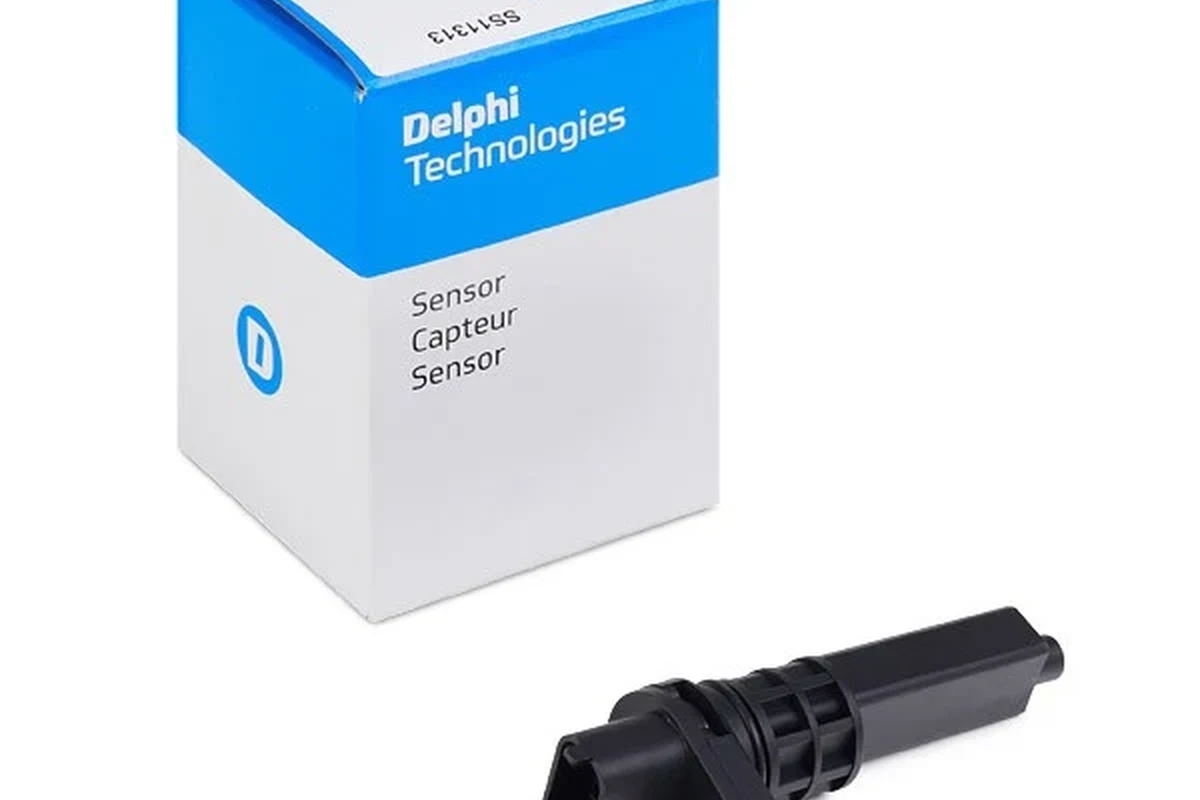
Delphi makes a broad range of automotive sensors used to help a vehicle monitor engine, exhaust, fuel, temperature, pressure, and other operating conditions. These parts send electrical signals to the vehicle’s control systems so the computer can adjust performance and detect problems.
Because sensors are tied to a vehicle’s specific calibration and wiring, even a well-made part can perform poorly if it is the wrong version or installed incorrectly. That is why compatibility matters as much as brand reputation.
Common Sensor Types Delphi Is Known For
Delphi is commonly associated with sensors used in engine management and related systems, including oxygen sensors, mass air flow sensors, crankshaft or camshaft position sensors, fuel system sensors, and other replacement electronics depending on the vehicle platform. Availability varies by model, region, and retailer.
Not every Delphi sensor line serves the same purpose or quality tier. Some replacement parts are aimed at direct-fit repairs, while others may be built for broader aftermarket coverage rather than exact dealership-equivalent packaging.
How Delphi Designs Affect Accuracy and Reliability
Sensor accuracy depends on how consistently the part reads temperature, airflow, pressure, position, or exhaust data within the vehicle’s expected range. Delphi’s appeal is that many of its parts are designed to follow OEM-style specifications closely enough for normal driving and fault-code prevention.
Reliability also depends on connector sealing, housing durability, and how well the sensor tolerates heat, vibration, moisture, and contamination. Even a good sensor can become noisy or erratic if the engine bay is dirty, the wiring is damaged, or the installation is loose.
Many “bad sensor” complaints are actually caused by wiring issues, vacuum leaks, contamination, or installing the wrong part number.
Who Delphi Sensors Fit Best
Delphi sensors usually make the most sense for drivers who want a sensible replacement rather than a premium-branded upgrade. They are especially attractive when the goal is to restore normal operation, clear a fault caused by a worn sensor, or keep an older vehicle on the road affordably.
Daily Drivers, DIY Repairers, and Budget-Minded Buyers
Daily drivers often want a part that works predictably and does not require constant attention. Delphi can fit that need when the vehicle match is correct and the part is sourced from a reputable seller with proper labeling.
DIY repairers also tend to appreciate straightforward replacement parts with familiar connector layouts and broad aftermarket availability. Budget-minded buyers may find Delphi more appealing than dealer-only options, especially for aging vehicles where spending more on a premium OEM sensor may not add much practical value.
When Delphi Is a Better Fit Than Premium OEM Alternatives
Delphi can be a better fit when the vehicle is older, the repair is routine, and the main goal is restoring factory-like function at a reasonable cost. For many common sensors, that balance is more useful than paying extra for a dealer boxed part.
Premium OEM alternatives may still be worth considering when the sensor is difficult to access, the vehicle is sensitive to signal quality, or the repair has already failed once with a lower-cost part. In those cases, the extra cost may buy more confidence and less repeat labor.
- Often a strong value for routine replacements
- OEM-style fit is commonly the main appeal
- Widely available for many popular vehicles
- Quality can vary by sensor family and application
- Wrong part numbers can cause poor readings or warning lights
- Installation issues may be mistaken for product failure
Key Specs and Buying Criteria to Check Before You Buy
With sensors, the most important “spec” is often not a headline feature but exact vehicle fitment. Before buying, confirm the part number, connector style, mounting style, and application notes against your vehicle’s year, make, model, engine, and trim.
Vehicle Compatibility, Part Numbers, and Fitment
Always start with the vehicle compatibility list, not the product title alone. Two sensors that look nearly identical may differ in calibration, connector keying, lead length, or emissions application.
Cross-check the original part number, any superseded numbers, and the manufacturer’s fitment notes. If the listing is vague, treat it as incomplete until you verify it through the official catalog or a trusted parts lookup.
- Check compatibility, model number, connector shape, and intended engine/system
- Confirm warranty terms, return policy, and whether the part is new, remanufactured, or refurbished
- Verify the vehicle’s exact application before opening packaging if possible
Build Quality, Materials, and Connector Design
Good sensor design should include solid housing, secure connector fit, and sealing that helps resist moisture and heat. In practical terms, the connector should lock cleanly, the terminals should not feel loose, and the body should look well-finished without obvious defects.
Materials matter because sensors live in harsh locations. Heat cycling, road splash, engine vibration, and chemical exposure can shorten the life of a poorly built part even if it works fine at first.
Signal Stability, Response Time, and Sensor Tolerance
Signal stability is what helps a vehicle computer interpret readings without false spikes or dropouts. In plain language, a good sensor should send consistent data and respond quickly enough for the system to adjust fuel, timing, or diagnostics properly.
Sensor tolerance matters too. A part that is slightly out of spec may still install correctly but trigger intermittent codes, rough running, or efficiency issues. If your vehicle is known to be sensitive, it is worth being extra careful about exact application matching.

TOPDON Phoenix Lite 2 Bidirectional Scan Tool
Short verdict: A stronger high-ticket choice for serious DIYers and technicians who want to investigate fault codes and supported vehicle systems before replacing parts.
- Bidirectional diagnostic capability on supported vehicles and systems
- Designed for broader diagnosis than a basic code reader
- Can help compare symptoms, codes, and available vehicle data
- ECU coding functions are application-dependent
Who should skip it: Someone replacing one already-confirmed sensor who does not need a professional-style diagnostic platform.
View Diagnostic Tool on Amazon →ASIN: B0B1MB6YG8. Verify supported functions, vehicle coverage, update terms, included accessories, and seller information on Amazon.
Real-World Benefits of Delphi Sensors
In everyday use, the main advantage of Delphi sensors is practical value. They can offer a balanced mix of cost, availability, and OEM-style behavior that works well for many standard repair situations.
Value for Money and Availability
Delphi parts are often easier to find than dealer-only components and may be priced more competitively than premium alternatives. That makes them appealing when you need to restore a vehicle quickly without overinvesting in an older platform.
Availability also matters for repair planning. A sensor that is in stock and correctly cataloged can save time, reduce downtime, and make a repair more realistic for a home mechanic or busy driver.
OEM-Style Performance for Common Repairs
For many routine sensor replacements, the goal is not perfection in a lab sense but stable, predictable operation. Delphi is often considered good enough for that purpose when the rest of the system is healthy and the part is the right match.
This is especially true for common wear items where the original sensor has simply aged out. If the vehicle is otherwise in good shape, a correctly matched Delphi sensor can be a sensible way to restore normal drivability.
Limitations, Drawbacks, and Common Mistakes
No aftermarket sensor brand is ideal for every vehicle or repair. Delphi’s limitations usually come from application sensitivity, inconsistent seller listings, and installation errors rather than a single universal flaw.
Where Delphi Sensors Can Fall Short
Some vehicles are more picky about sensor calibration and signal quality than others. In those cases, a lower-cost replacement may work, but a dealer or higher-end OEM option may be the safer choice if you want the highest chance of a first-time fix.
Another limitation is that aftermarket listings can be confusing. A part may be labeled broadly, while the real fit depends on a narrow engine code, connector variant, or emissions setup.
Stop using damaged electronics, cracked housings, bent terminals, frayed wiring, or any sensor that shows heat damage or corrosion. Follow the vehicle manufacturer’s service guidance if the part is tied to emissions, safety, or engine protection systems.
Installation Errors That Cause Bad Readings
Many sensor problems come from installation, not the sensor itself. Common mistakes include forcing the wrong connector, leaving old contaminants in place, reusing damaged seals, or installing the sensor in the wrong orientation if the design requires a specific position.
It is also easy to overlook nearby issues such as vacuum leaks, damaged wiring, dirty throttle bodies, or exhaust leaks. Those problems can mimic a failed sensor and lead to unnecessary part replacement.
Safe Installation, Care, and Troubleshooting Tips
Sensor installation should be clean, careful, and based on the official service procedure for your vehicle. If you are not sure about the procedure, the manual or a reputable repair database is safer than guessing.
How to Inspect, Handle, and Store Sensors Safely
Handle sensors by the housing when possible and avoid touching sensitive probe surfaces or terminals unnecessarily. Keep parts in their packaging until you are ready to install them, and store them away from moisture, dust, and extreme heat.
Before installation, compare the old and new parts side by side. Check connector shape, mounting points, thread style if applicable, and any protective caps or shipping guards that must be removed first.
- Use the exact part number, not just a broad vehicle listing
- Inspect the wiring harness and connector before blaming the sensor
- Clear codes only after confirming the underlying issue is fixed
- Follow torque and installation instructions in the service manual
Basic Troubleshooting for Fault Codes and Poor Performance
If a new sensor still triggers a fault code, start with the basics: check connector seating, inspect for damaged wiring, and confirm the part number matches the vehicle application. If the code returns immediately, the issue may be in the circuit, not the sensor.
For poor performance without a code, look for contamination, air leaks, exhaust leaks, or related maintenance issues. If symptoms persist after a careful inspection, the safest next step is a professional diagnosis rather than repeated parts swapping.

Innova 5610 OBD2 Bidirectional Scan Tool
Short verdict: A practical premium alternative for advanced DIY owners who want more diagnostic depth before blaming or replacing a sensor.
- OBD2 diagnostic platform for compatible vehicles
- Bidirectional functions on supported systems
- Useful for checking codes and available vehicle information before and after repair
- More approachable option for advanced home-garage troubleshooting
Who should skip it: Buyers who only need an inexpensive code reader or already have a capable diagnostic scanner.
Check Current Amazon Listing →ASIN: B07Z481NJM. Confirm vehicle coverage, supported bidirectional functions, included accessories, and current listing details.
If a sensor is physically damaged, overheated, or contaminated by oil, coolant, or corrosion, do not reinstall it. Verify the root cause first so the replacement does not fail again.
Final Recommendation: Are Delphi Sensors Worth It in 2026?
Delphi sensors are usually worth considering if you want a practical replacement with OEM-style goals, broad availability, and reasonable value. They are especially appealing for common repairs on daily drivers, older vehicles, and DIY-friendly jobs where exact fitment can be verified before purchase.
They are less ideal when the vehicle is highly sensitive to sensor calibration, the listing is unclear, or the repair is expensive enough that you want the highest possible first-time success rate. In those cases, a genuine OEM part or a premium alternative may be the better long-term choice.
Best-Case Use, Better Alternatives, and Transparent Verdict
The best-case use for Delphi is straightforward: a correct part number, a normal repair, and a vehicle that does not demand unusually strict sensor tuning. If that describes your situation, Delphi is a sensible and often cost-effective option.
My transparent verdict is this: Delphi sensors are generally good, but only when the exact application is verified and the rest of the system is healthy. If you need the safest possible choice for a picky or hard-to-access repair, consider OEM or a higher-end equivalent instead.
Delphi sensors are a good buy for many routine repairs, especially when value and OEM-style fit matter more than premium branding. Verify the exact part number, check compatibility carefully, and choose a different brand if your vehicle is especially sensitive or the listing is unclear.
Which Option Should You Choose?
Choose the Delphi AF10043 only when your vehicle and original part number confirm it is the correct mass-air-flow sensor. Choose the TOPDON Phoenix Lite 2 when you want the strongest premium diagnostic option in this guide. Choose the Innova 5610 when you want an advanced DIY alternative for repeat troubleshooting.
Check Delphi AF10043 Fitment on Amazon →Frequently Asked Questions
Yes, Delphi sensors are often a good fit for routine repairs on everyday vehicles. They are most useful when the exact part number and vehicle application are verified before purchase.
Check the vehicle year, make, model, engine, connector style, and any superseded part numbers. Also confirm the retailer’s return policy and the manufacturer’s fitment notes.
Many Delphi sensors are designed to follow OEM-style behavior closely enough for normal driving and common repairs. However, performance can vary by sensor type and vehicle sensitivity.
A fault code can come from wiring damage, a loose connector, contamination, or another related vehicle problem. The sensor may not be the root cause even if it was recently replaced.
They can be, especially for older vehicles and standard replacements where value matters. Budget buyers should still verify fitment carefully because the wrong part can cost more in repeat labor.
Choose a different brand if your vehicle is highly sensitive, the repair is difficult to access, or the Delphi listing is vague. In those cases, a genuine OEM part may offer a safer first-time fix.