Can Ring Video Doorbell Get Wet and Stay Safe Outside
Yes, most Ring video doorbells can get wet from normal rain and outdoor humidity. They are weather-resistant, not waterproof, so direct spray, submersion, and poor mounting can still cause damage.
If you’re asking can Ring video doorbell get wet, the short answer is yes—most Ring doorbells are designed for outdoor use and can handle normal rain, humidity, and cold weather when installed correctly. The catch is that “weather-resistant” is not the same as waterproof, so placement, sealing, and the exact model matter a lot.
That distinction matters whether you live in an apartment entryway, a house with an open porch, or a covered front door that still gets windblown rain. Below, Ethan Walker breaks down what Ring’s outdoor protection really means, what to verify before installation, and the common mistakes that can shorten the life of a doorbell.
- Weather-resistant, not waterproof: Normal rain is usually fine, but direct spray and standing water are not.
- Model matters: Check your exact Ring model’s official specs before installing it outdoors.
- Placement matters: A covered or sheltered mount reduces water stress and improves reliability.
- Maintenance matters: Inspect seals, wiring, and the mount after storms and seasonal changes.
Can Ring Video Doorbell Get Wet? Quick Answer and What “Weather-Resistant” Really Means
In normal use, a Ring video doorbell is built to withstand outdoor moisture exposure such as light to moderate rain, damp air, and seasonal changes. However, the device is not meant to be treated like a submerged or pressure-washed appliance, and its resistance level can vary by model.
“Weather-resistant” generally means the doorbell is intended to survive typical outdoor conditions, not every possible water event. If your entryway gets occasional splashes or wind-driven rain, that is usually within the intended use case. If the unit sits where water can pool around it, receive direct hose spray, or get hit by runoff from a roof edge, the risk goes up quickly.
Ring’s exact water-resistance details can differ by model, region, and firmware-related guidance. Always verify the official product page and manual for your specific doorbell before installing it outdoors.
For shoppers still comparing models, it also helps to look at broader fit and value. Our guides on whether Ring is worth it and which Ring doorbell fits home use best can help you decide whether this brand is the right match before you worry about weather exposure.
How Ring Video Doorbells Handle Rain, Snow, and Humidity
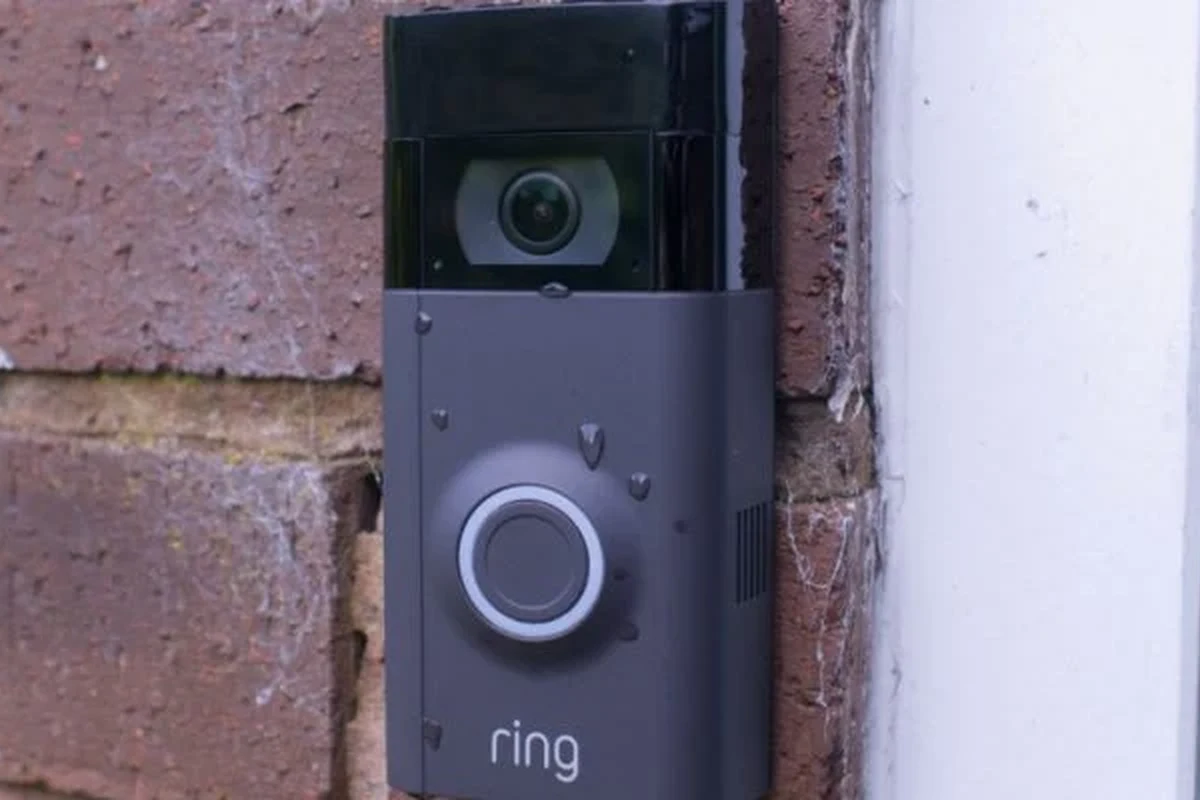
Most Ring doorbells are designed for outdoor mounting, so light rain and everyday humidity are part of the expected environment. Snow is usually less about the flakes themselves and more about what happens when melting water, ice buildup, or temperature swings collect around the device.
Humidity usually causes fewer immediate problems than direct water impact, but long-term damp conditions can still stress seals, connectors, and wall mounting points. In practical terms, the doorbell is often safer under a porch roof or partial overhang than on a fully exposed wall.
IP Rating Basics and What to Verify in Your Exact Model
Some electronics use an IP rating to describe dust and water protection, but not every Ring model is presented the same way in every market or product listing. If an IP rating is listed, it can help you understand how well the device resists dust and moisture, but you should still treat it as a guide rather than a promise for all weather conditions.
The safest move is to check the exact model number, official specs, and installation guide. Look for the manufacturer’s language about outdoor use, operating temperature, and any weather-related limitations. If that information is unclear on a retailer page, use Ring’s own documentation as the final reference.
A device can be “outdoor rated” without being fully waterproof. Outdoor rating usually assumes normal weather, not direct high-pressure water or submersion.
Where Water Exposure Becomes a Problem: Direct Spray, Submersion, and Standing Water
Water becomes a real concern when it is forced into seams, ports, or mounting gaps. Direct hose spray, sprinkler overspray, and pressure washing are all riskier than ordinary rain because they can push water into places the doorbell was never meant to handle.
Submersion is a clear no-go for nearly all consumer video doorbells unless the manufacturer explicitly says otherwise, which is uncommon. Standing water near the mount, a damaged gasket, or a cable opening with no proper seal can also let moisture creep inside over time.
Do not pressure-wash a Ring doorbell, soak it, or mount it where water can pool around the housing. If water enters the device or the wiring area, stop using it and follow the manufacturer’s support instructions.
Key Specs to Check Before Installing a Ring Doorbell Outdoors
Before you mount a Ring doorbell outside, verify the details that determine whether the device will actually fit your door, power source, and network setup. Water resistance matters, but it is only one part of a successful installation.
Power Source, Wiring, and Voltage Requirements
Ring doorbells may run on a rechargeable battery, hardwired power, or another supported setup depending on the model. If your version is hardwired, the wiring and voltage requirements must match the manufacturer’s instructions exactly. Guessing here can cause unreliable performance or installation issues.
If you are not sure what your existing doorbell wiring provides, check the home’s doorbell transformer and consult the manual or a qualified electrician. Never modify house wiring just to make a smart doorbell fit. That is a safety issue, not just a convenience issue.
- Confirm whether your model is battery, wired, or hybrid before buying accessories.
- Check the transformer rating and installation instructions if your doorbell uses existing wiring.
- Keep cable connections protected from direct runoff and loose drips.
Wi-Fi Connectivity, App Setup, and Placement Considerations
Even a weather-resistant doorbell can feel unreliable if the Wi-Fi signal is weak at the front door. Before mounting, check signal strength where the device will live, not just inside the house. Brick walls, metal screens, and thick exterior materials can reduce connection quality.
Ring app setup is also part of the outdoor experience because alerts, live view, motion zones, and video access depend on the app and your account settings. If your router, phone, or app version changes, some features can behave differently. For buyers comparing setup and value, our guide on how much a video doorbell costs can help frame the total ownership picture.
Dimensions, Mounting Angle, and Door Clearance
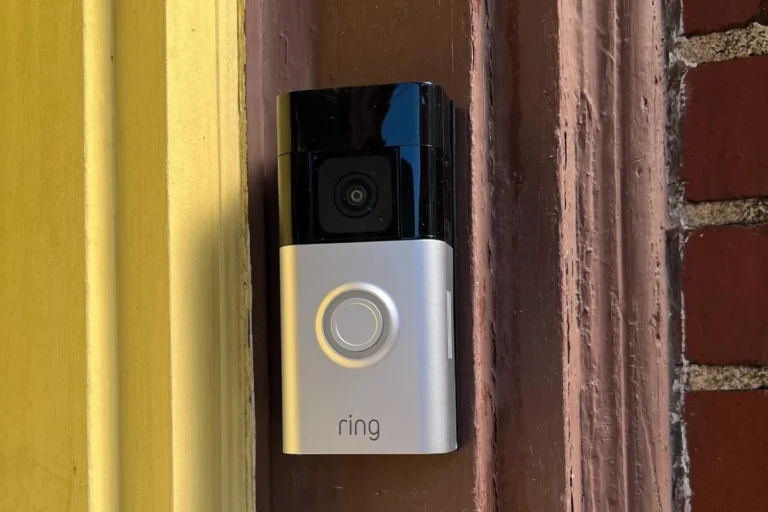
Water protection can be undermined by poor placement. If the device is too close to a swinging door, it may be hit by people, packages, or the door itself. If it is mounted at the wrong angle, rain may run directly across the lens or into seams that would otherwise stay protected.
Use the included mount or a compatible wedge if the doorbell needs a better viewing angle, and make sure the entry door can still open fully. A doorbell that is technically weather-resistant but badly placed can still fail sooner than one installed in a more sheltered spot.
Who a Ring Video Doorbell Fits Best in 2026
Ring tends to fit buyers who want a familiar smart-doorbell ecosystem, straightforward app access, and a device that can live outside without constant removal. The best fit is usually a home or entryway where the doorbell gets normal weather, not extreme exposure.
Best Use Cases for Apartments, Houses, and Covered Entryways
Ring can work well for apartments with permission to install a doorbell camera, single-family homes with porches, and covered entryways that still face rain or humidity. Covered mounting is especially helpful because it reduces direct water exposure while preserving motion alerts and visitor visibility.
For homes with package deliveries, the ability to see visitors and receive alerts is often the main reason people choose a Ring device. If you are still deciding what category of doorbell makes sense, our article on what kind of video doorbell you should buy is a useful starting point.
When a Different Smart Doorbell or Outdoor Camera May Be a Better Fit
Another brand or a separate outdoor camera may be better if your front entry is fully exposed to storms, heavy spray, or unusual mounting constraints. Some buyers also prefer alternatives for privacy controls, local storage, battery life, or ecosystem compatibility.
If you want a broader comparison before choosing, see which video doorbell may be better than Ring. That kind of comparison matters more when the weather exposure is severe enough that you want multiple options on the table.
Real-World Benefits of Using a Ring Doorbell Outside
When installed in the right spot, a Ring doorbell can add practical security and convenience without needing much day-to-day attention. The biggest benefit is that it brings visitor awareness to the front door, where many home deliveries and unexpected knocks happen.
Security, Visitor Alerts, and Two-Way Communication
Motion alerts can help you notice activity before you open the door, which is useful for families, remote workers, students, and anyone who wants a little more visibility at the entryway. Two-way communication can also help when you are away from home or do not want to open the door immediately.
That said, alert quality depends on placement, motion settings, Wi-Fi, and app configuration. A good weather setup is only part of the security benefit; the rest comes from how the device is tuned and used.
Convenience, Package Monitoring, and Smart Home Integration
A properly installed Ring doorbell can make it easier to see package deliveries, talk to visitors, and check activity without stepping outside. For many users, that convenience is the main reason to keep the device outdoors year-round.
Smart home integration can also matter if you already use connected speakers, displays, or routines. Just remember that compatibility varies by model and platform, so confirm current support before assuming every feature will work the same way across devices.
Limitations, Risks, and Common Mistakes That Can Let Water In
Most water problems come from installation mistakes, not from ordinary rain alone. If a Ring doorbell fails outdoors, the cause is often poor sealing, exposed wiring, or a location that was too exposed for the device’s intended use.
Improper Mounting, Missing Weather Seals, and Poor Cable Management
A loose mount can leave tiny gaps that let moisture travel behind the device. Missing seals, damaged adhesive, or a cable routed where water drips along it can also create a path for water intrusion.
Take time to inspect the mount after installation and after major weather changes. If the unit shifts, tilts, or the backing looks damp, it is worth removing it and checking the official installation steps again.
Exposure to Heavy Storms, Pressure Washing, and Extreme Temperatures
Heavy storms can exceed what a weather-resistant device is designed to handle, especially if wind drives rain sideways into the front face. Pressure washing is even harsher because it forces water into seams faster than natural rainfall.
Extreme temperatures can also affect battery performance, charging behavior, and material flexibility. If your region sees harsh winters or intense heat, check the model’s operating range in the official documentation rather than relying on general outdoor assumptions.
Stop using any outdoor electronic device that shows cracked housing, corrosion, loose wiring, repeated moisture alerts, or intermittent power loss until you verify the cause with the manufacturer’s guidance.
Safe Use, Maintenance, and Storage Tips for Long-Term Outdoor Protection
Outdoor electronics last longer when they are cleaned gently, checked regularly, and kept within the intended weather conditions. A few simple habits can reduce the odds of water damage and help the doorbell stay dependable through changing seasons.
Cleaning, Inspection, Firmware Updates, and Seasonal Care
Use a soft, dry or slightly damp cloth for cleaning, and avoid spraying cleaners directly onto the device. Check the mount, lens area, and cable path periodically for dirt buildup, loose hardware, or signs of moisture.
Firmware updates and app updates can also affect performance, notifications, and device stability. Keep the Ring app current, review notification permissions, and follow any official update notes from the manufacturer when they are released.
- Wipe away grime before it hardens around seams or the camera lens.
- Check the mount after storms, freeze-thaw cycles, or strong wind.
- Review app permissions and alert settings after major phone or app updates.
When to Remove, Dry, or Replace the Device
If the doorbell has been exposed to unusual water intrusion, remove power if the manual says to do so, then follow the manufacturer’s drying and support instructions. Do not try to open sealed electronics or dry them with unsafe heat sources.
Replacement may be the smarter choice if the housing is cracked, the battery will not hold charge, or the unit keeps failing after moisture exposure. At that point, water resistance is no longer the main issue—reliability and safety are.
Final Recommendation: Is a Ring Video Doorbell Worth It for Wet Weather?
For most homes, yes—a Ring video doorbell can be a solid outdoor choice if it is installed in a sensible location and matched to the right power and weather conditions. It is best viewed as weather-resistant security gear, not a waterproof camera that can handle anything the environment throws at it.
Transparent Verdict Based on Safety, Value, and Outdoor Reliability
If your entryway gets normal rain, humidity, and seasonal weather, Ring is usually a practical fit. If your door is fully exposed to storms, direct spray, or poor mounting conditions, you should consider a more sheltered setup or compare other models before buying. For a broader purchase decision, our guides on where to buy Ring video doorbells and best value video doorbells may help narrow the choice.
- Ring doorbells can usually get wet from normal outdoor weather, but they are not waterproof.
- Direct spray, submersion, and standing water are the biggest risks.
- Model number, power type, and mounting location matter as much as the weather rating.
- Regular cleaning, app updates, and inspection help the device last longer outdoors.
Frequently Asked Questions
Yes, most Ring doorbells are designed for normal outdoor rain and humidity. The exact level of protection depends on the model and how it is installed.
Usually no. Weather-resistant is not the same as waterproof, so you should avoid submersion, standing water, and direct pressure washing.
A covered porch is helpful because it reduces direct water exposure. Many Ring doorbells can still work on more exposed walls if the model supports outdoor use and is mounted correctly.
Verify the exact model, power source, wiring requirements, mounting space, and official weather guidance. Also check Wi-Fi strength at the front door.
Heavy spray, submersion, poor sealing, loose mounting, and water pooling around the device can all cause problems. Extreme temperatures can also affect battery and performance.
Wipe it gently, inspect the mount and cable path, and look for moisture or damage. If the housing is cracked or water got inside, follow the manufacturer’s support instructions before using it again.